
 Pin It
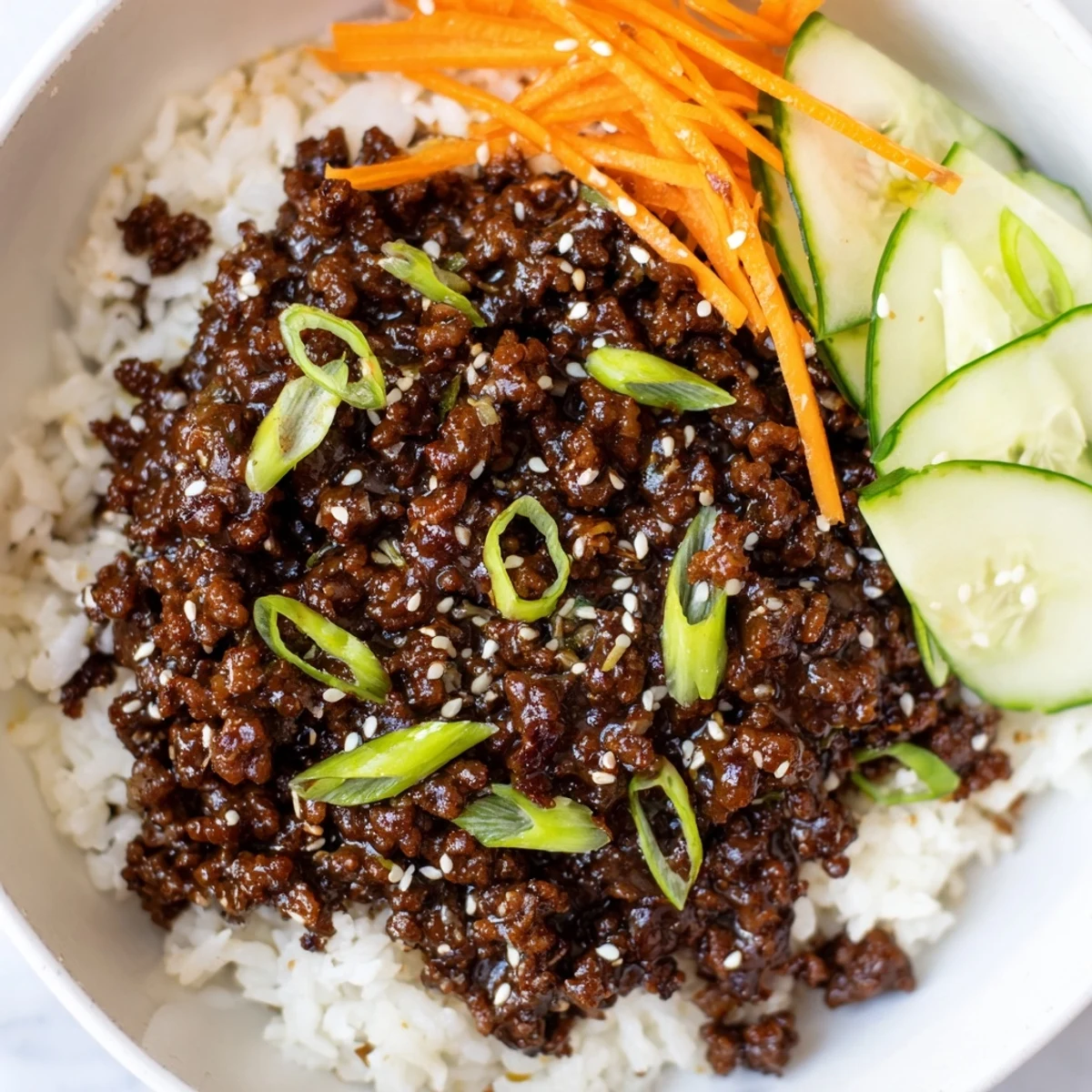
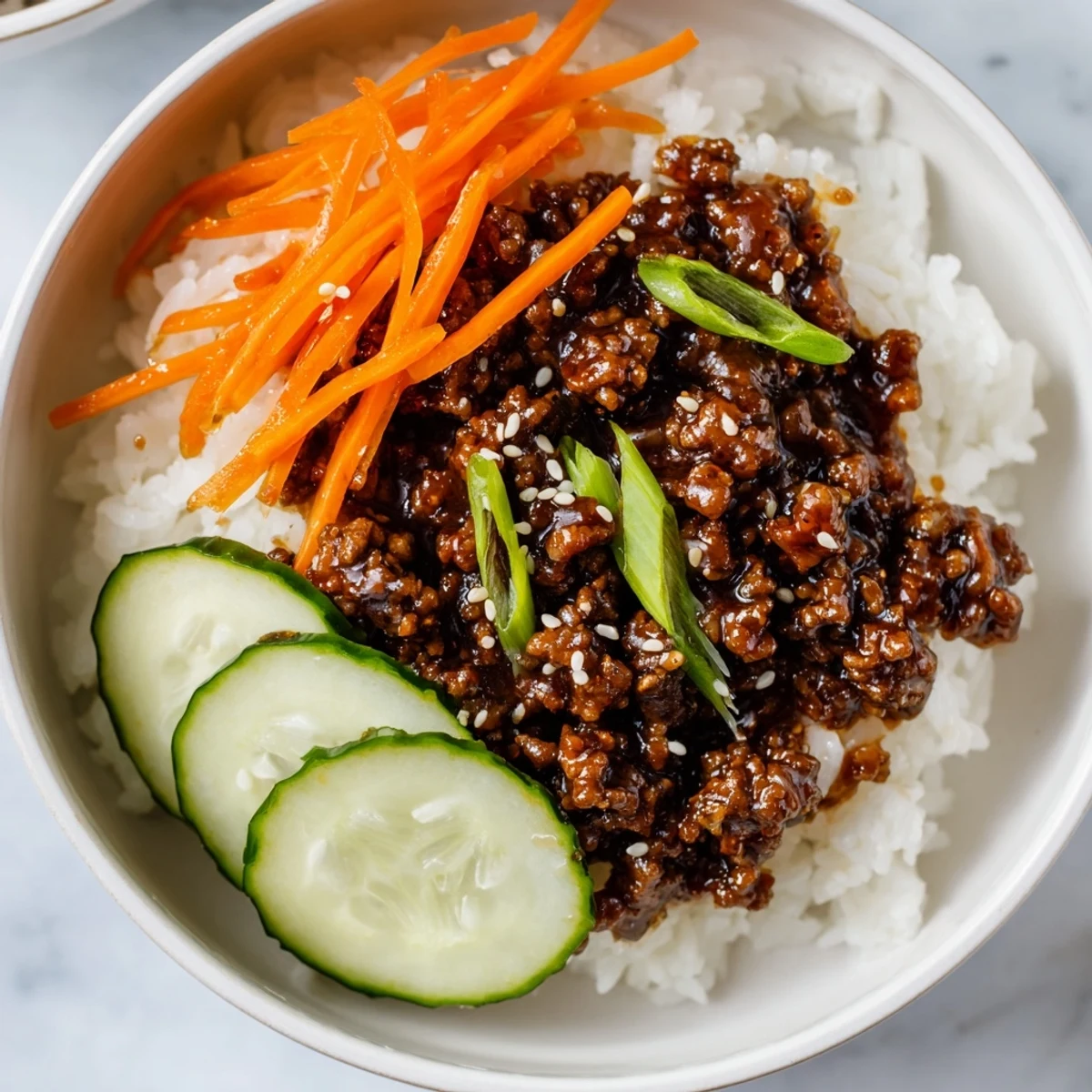
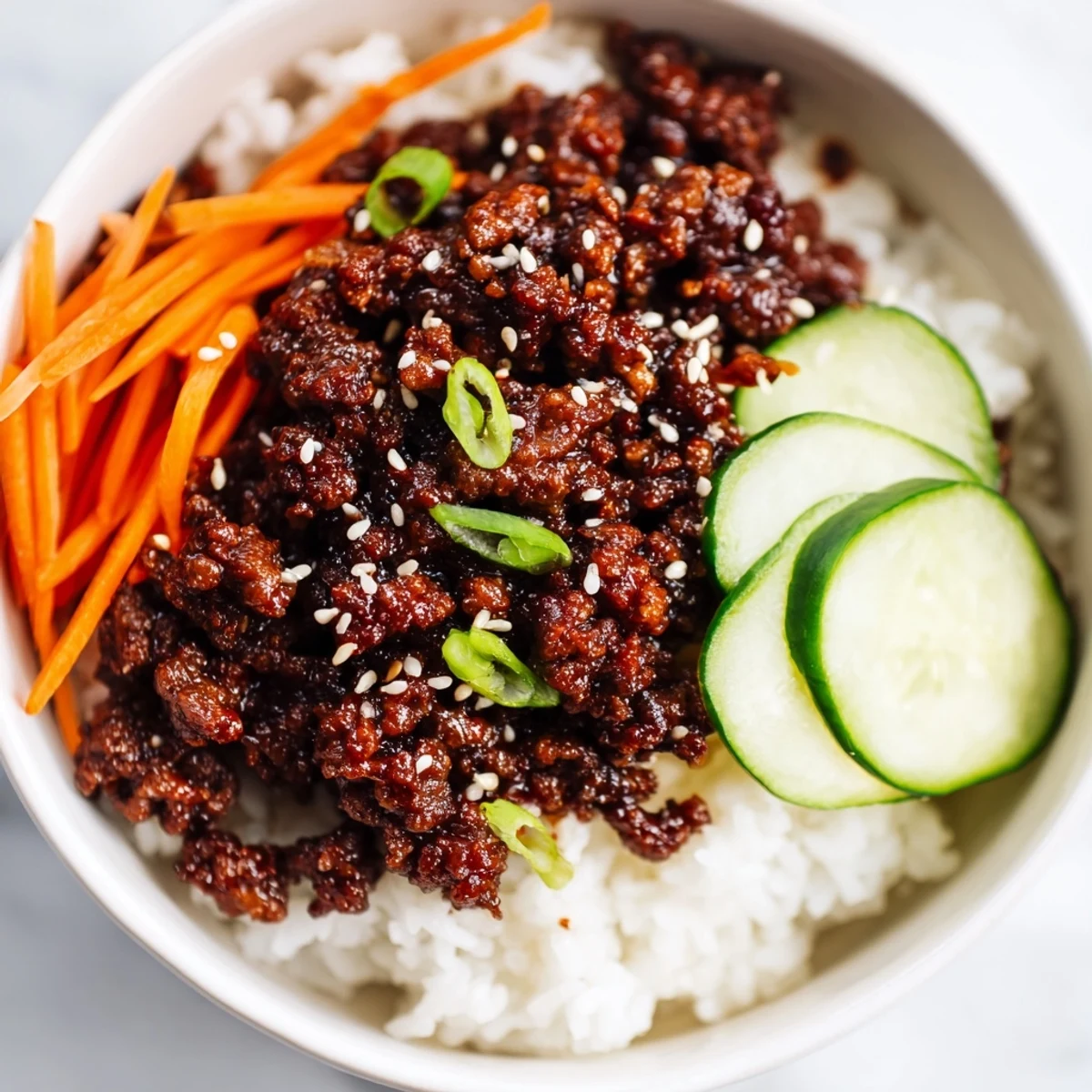
 These Korean-inspired bowls feature lean ground beef browned to perfection and coated in a punchy sauce of soy sauce, sesame oil, garlic, ginger, and gochujang. The beef gets served over fluffy jasmine rice alongside crisp julienned carrots, refreshing cucumber slices, and fresh scallions. Toasted sesame seeds add nuttiness while optional kimchi brings tangy depth. The entire dish comes together in just 25 minutes, making it ideal for busy weeknights when you want bold flavors without the wait.
The first time I made Korean beef bowls, it was completely by accident. I had ground beef thawing and a jar of gochujang lurking in the back of my fridge, leftovers from a failed attempt at making something more complicated. Twenty minutes later, my kitchen smelled like my favorite restaurant, and I realized I'd been overthinking dinner for years.
My roommate walked in mid-cooking and literally stopped in her tracks asking what restaurant I'd ordered from. When I told her it was just ground beef and stuff from the pantry, she looked at me like I'd revealed a magic trick. Now it's our Wednesday default, the night we're both too tired to cook but want something that actually tastes like effort.
Ingredients
- 500 g lean ground beef: I usually grab whatever's on sale but the 15% fat ratio gives you enough flavor without too much grease to drain later
- 60 ml low-sodium soy sauce: Regular soy sauce works too but starting with low sodium lets you control the salt level better
- 2 tbsp light brown sugar: Dark brown sugar adds more molasses flavor if you prefer a deeper sweetness
- 1 tbsp sesame oil: Toasted sesame oil is non-negotiable here it's what gives you that restaurant-quality aroma
- 4 garlic cloves minced: Fresh garlic makes a huge difference don't even think about using the jarred stuff
- 1 tbsp freshly grated ginger: I use a microplane and don't bother peeling it first because life's too short
- 1 tbsp gochujang: This Korean chili paste is mildly sweet and builds a complex heat that red pepper flakes can't quite match
- 2 tsp rice vinegar: Just enough brightness to cut through the rich beef and sugar
- 300 g jasmine rice: Short-grain white rice works beautifully too if you want that sticky texture
- 2 medium carrots julienned: I use a vegetable peeler to make quick ribbons instead of bothering with proper julienne cuts
- 1 small cucumber thinly sliced: English cucumbers work best since they have fewer seeds and more crunch
- 4 scallions thinly sliced: Use both the white and green parts for the full onion flavor
- 2 tbsp toasted sesame seeds: Toast them in a dry pan for 2 minutes first if you bought untoasted ones
Instructions
- Get your rice going first:
- Rinse the rice under cold water until it runs clear about three or four rinses usually does the trick. Combine it with the water in a saucepan bring it to a boil then drop the heat to low and cover tight for 12 to 15 minutes until all the water disappears.
- Whisk together the sauce:
- Dump the soy sauce brown sugar sesame oil garlic ginger gochujang and rice vinegar into a bowl and whisk until the sugar dissolves completely. The mixture should look like a glossy slightly thickened glaze.
- Brown the beef:
- Crank your skillet to medium-high heat and add the ground beef breaking it up constantly with your spatula. Let it develop some nice brown bits which takes about 5 minutes then drain off the excess fat if there's more than a tablespoon pooling.
- Add the magic:
- Pour that sauce directly into the skillet and toss everything together for another 2 to 3 minutes until every piece of beef is coated and the sauce has thickened enough to cling to the meat. Your whole kitchen should smell incredible right about now.
- Build your bowls:
- Fluff the rice with a fork and divide it between four bowls then pile the beef on top in a satisfying mound. Arrange the carrots cucumber scallions and sesame seeds in sections around the beef like a little edible mandala.
 Pin It
 Last week I made these for my sister who claims to hate spicy food and she went back for seconds third helpings actually. She kept asking what was in the sauce and when I told her it was mostly pantry staples she looked genuinely shocked that something so simple could taste so complex.
Make It Yours
Ground turkey or chicken work surprisingly well here and honestly I've made this with crumbled tofu when my vegetarian friend came over and nobody missed the beef. The sauce carries everything so the protein is almost secondary.
Rice Shortcuts
On desperate Tuesdays I've used those precooked microwave rice pouches and the bowls were still completely respectable. You can also make extra rice on the weekend and reheat it with a splash of water to revive it.
Topping Ideas
Fried eggs with runny yolks on top turn this into a completely different kind of meal the yolk mixes with the sauce and creates this incredible creamy beef situation. I also keep quick-pickled radishes in my fridge for adding crunch and tang.
- Sliced avocado adds a buttery element that tames the heat
- Shredded lettuce or spinach gives you more bulk without much effort
- Extra kimchi if you like things really sour and funky
 Pin It
 These Korean beef bowls have become my absolute favorite weeknight dinner. Fast delicious and always reliable.
Recipe FAQs
- → What is gochujang and where can I find it?
-
Gochujang is a Korean fermented chili paste that adds sweet, savory, and spicy depth. Look for it in the international aisle of well-stocked grocery stores or Asian markets. If unavailable, red pepper flakes provide similar heat.
- → Can I make these bowls gluten-free?
-
Yes, simply substitute tamari or coconut aminos for the soy sauce. Be sure to check your gochujang label, as some brands contain wheat. Many brands now offer gluten-free versions.
- → What other proteins work well with this preparation?
-
Ground turkey or chicken create lighter versions while absorbing the bold flavors beautifully. For a vegetarian option, crumbled firm tofu or plant-based ground meat alternatives work wonderfully with the same sauce.
- → How can I meal prep these bowls?
-
Cook the beef and rice separately, then store in airtight containers for up to 4 days. Keep vegetables sliced but separate to maintain crispness. Reheat the beef and rice gently, then assemble bowls with fresh toppings when ready to eat.
- → What rice variety works best?
-
Short-grain white rice offers the authentic Korean texture, but jasmine rice provides lovely floral notes. Brown rice adds nuttiness and fiber, though it requires longer cooking time and more water.