
 Pin It
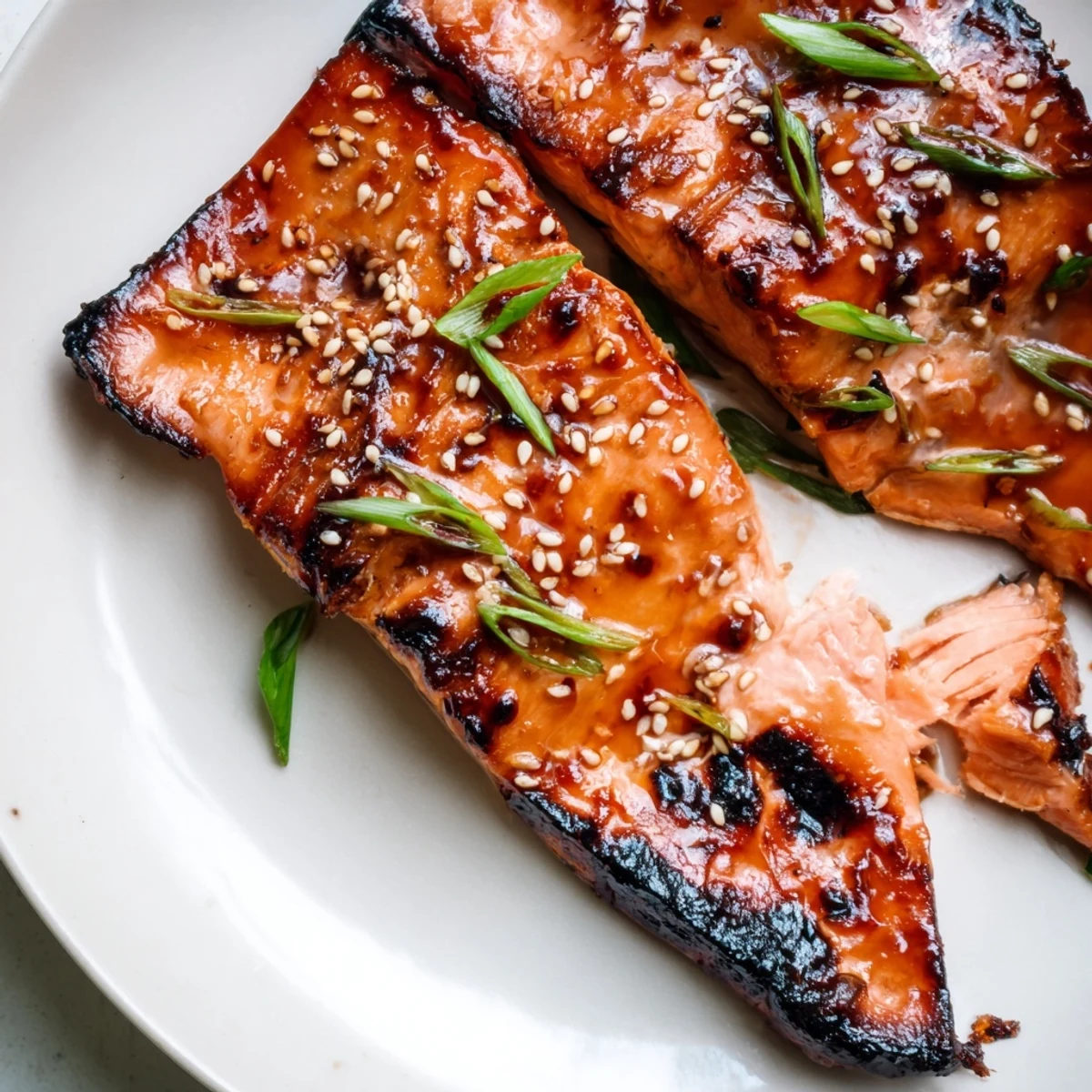
 This baked Asian salmon brings together soy sauce, honey, sesame oil, fresh ginger and garlic into a rich, caramelized glaze that coats each fillet beautifully.
Ready in just 28 minutes from start to finish, it's an ideal weeknight dinner that feels elevated yet requires minimal effort.
The salmon bakes at 200°C (400°F) for 15–18 minutes, yielding a tender, flaky texture with a glossy, savory-sweet finish. A final garnish of toasted sesame seeds and sliced green onions adds freshness and crunch.
The smell of sesame oil hitting a hot pan is enough to make me forget whatever stressful thing happened that day, and this baked Asian salmon lives in that same comforting universe. I threw it together one Tuesday when the fridge offered nothing except salmon fillets and a half empty soy sauce bottle, and it turned into the kind of dinner that makes you pause mid bite. Sticky, savory, with just enough sweetness to keep things interesting. It has been on constant rotation ever since.
My neighbor Karen knocked on my door the evening I first made this, claiming she could smell something incredible from the hallway. I handed her a forkful straight off the baking tray and she stood in my doorway eating it without ceremony or apology. We now have an unspoken agreement that whenever I make this salmon, a plate appears at her door.
Ingredients
- 4 salmon fillets (about 170 g each): Skin on gives you a protective layer that keeps the fish moist and adds texture, but skinless works beautifully if that is what you have.
- 60 ml soy sauce: The backbone of the glaze, and using a good quality one here makes a real difference in depth of flavor.
- 2 tbsp honey or maple syrup: This is what helps the marinade caramelize into that gorgeous sticky coating in the oven.
- 1 tbsp sesame oil: Just a little goes a long way and it gives the dish its unmistakable toasty aroma.
- 2 tbsp rice vinegar or lime juice: A gentle acid that brightens everything and keeps the sweetness from taking over.
- 1 tbsp fresh ginger, grated: Fresh ginger is nonnegotiable here because the powdered stuff cannot replicate that warm zing.
- 2 cloves garlic, finely minced: Mash it into almost a paste so it blends seamlessly into the marinade rather than sitting in chunks.
- 1 tbsp sriracha or chili paste (optional): Adds a slow, friendly warmth rather than aggressive heat, so do not skip it unless you are truly spice averse.
- 1 tsp toasted sesame seeds (for garnish): Mostly for looks and a slight crunch, but they do add a nutty finish that ties everything together.
- 2 tbsp green onions, finely sliced (for garnish): Scatter these on at the very end so they stay bright and fresh looking.
Instructions
- Warm up the oven:
- Preheat to 200 degrees C (400 degrees F) and line a baking tray with parchment paper or foil because nothing ruins a good salmon faster than it fusing to the pan.
- Whisk the glaze together:
- In a bowl, combine the soy sauce, honey, sesame oil, rice vinegar, grated ginger, garlic, and sriracha if you are using it. Whisk until the honey dissolves and everything looks unified and glossy.
- Coat the salmon:
- Lay the fillets on your prepared tray and spoon the marinade over each one generously, saving a small amount for finishing. Let them sit at room temperature for about ten minutes so the fish absorbs some of that flavor.
- Bake until perfectly flaky:
- Slide the tray into the oven and bake for 15 to 18 minutes. You will know it is done when the salmon flakes easily with a fork and the top has developed a deep, sticky caramel color.
- Finish and serve:
- Drizzle any reserved marinade over the hot fillets, scatter sesame seeds and green onions across the top, and serve immediately while the glaze is still warm and glossy.
 Pin It
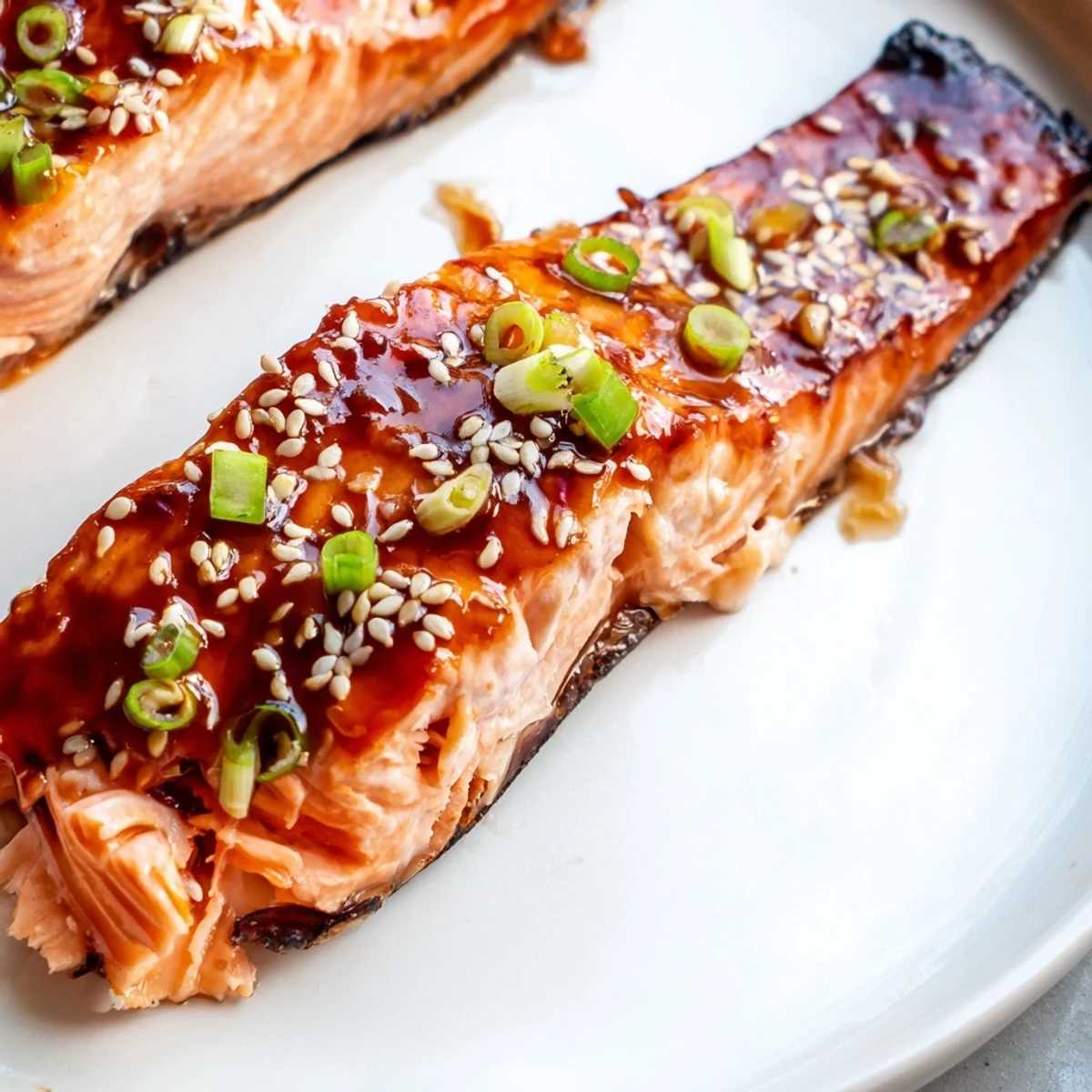
 There is something about pulling a tray of glossy, caramelized salmon from the oven that makes even an ordinary weeknight feel like a small celebration.
What to Serve Alongside It
Steamed jasmine rice is the obvious choice because it soaks up every drop of that extra glaze pooling on the plate. Sautéed bok choy with a splash of soy sauce makes a perfect companion, or you could try a crunchy Asian inspired slaw for contrast. The salmon is rich enough that you do not need much else, but a cold beer or a glass of riesling certainly does not hurt.
Storing and Reheating Leftovers
Leftover salmon keeps well in an airtight container in the fridge for up to two days, though honestly it rarely lasts that long in my house. Reheat it gently in a low oven or even eat it cold flaked over a salad the next day. Microwaving works in a pinch but it can make the fish slightly rubbery, so use short bursts if you go that route.
A Few Final Thoughts
This recipe taught me that weeknight dinners do not need to be complicated to feel special. A few pantry staples and twenty minutes in the oven can produce something that rivals any restaurant plate.
- Coconut aminos work as a one to one swap for soy sauce if you need to avoid soy entirely.
- Maple syrup is a great substitute for honey and gives the glaze a slightly earthier sweetness.
- Always check your soy sauce label for gluten if you are cooking for someone with a sensitivity.
 Pin It
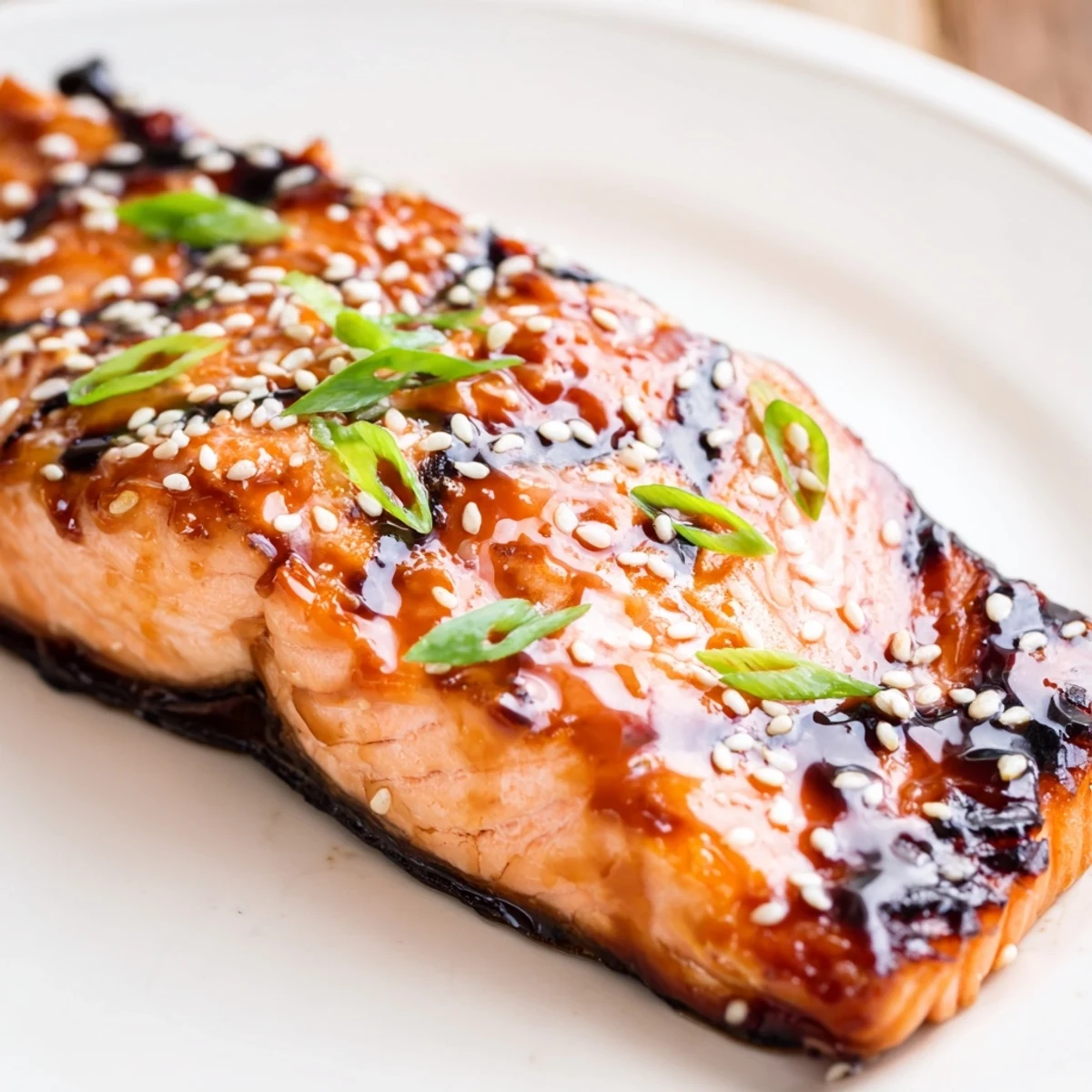
 This is the kind of recipe you memorize after making it twice, and then it becomes yours forever. I hope it finds a permanent spot in your weeknight rotation the way it did in mine.
Recipe FAQs
- → Can I use frozen salmon fillets?
-
Yes, but thaw them completely in the refrigerator overnight before marinating and baking. Pat the fillets dry with paper towels to ensure the glaze adheres properly.
- → What temperature should salmon be cooked to?
-
Salmon is perfectly cooked when it reaches an internal temperature of 63°C (145°F) and flakes easily with a fork. For a slightly more tender, medium center, you can remove it around 57°C (135°F).
- → How long should I marinate the salmon?
-
A quick 10-minute rest at room temperature works well, but for deeper flavor you can marinate up to 30 minutes in the refrigerator. Avoid marinating longer than 1 hour, as the acid and soy sauce can begin to break down the fish texture.
- → What sides pair well with this dish?
-
Steamed jasmine rice, sautéed bok choy, stir-fried snap peas, or a crisp Asian-inspired slaw all complement the sweet and savory glaze beautifully.
- → Can I make this gluten-free?
-
Absolutely. Simply substitute the regular soy sauce with a certified gluten-free soy sauce or tamari. Coconut aminos also work as a soy-free alternative.
- → How do I store and reheat leftovers?
-
Store leftover salmon in an airtight container in the refrigerator for up to 2 days. Reheat gently in a 150°C (300°F) oven for about 8–10 minutes to avoid drying it out, or enjoy it cold over a salad.