
 Pin It
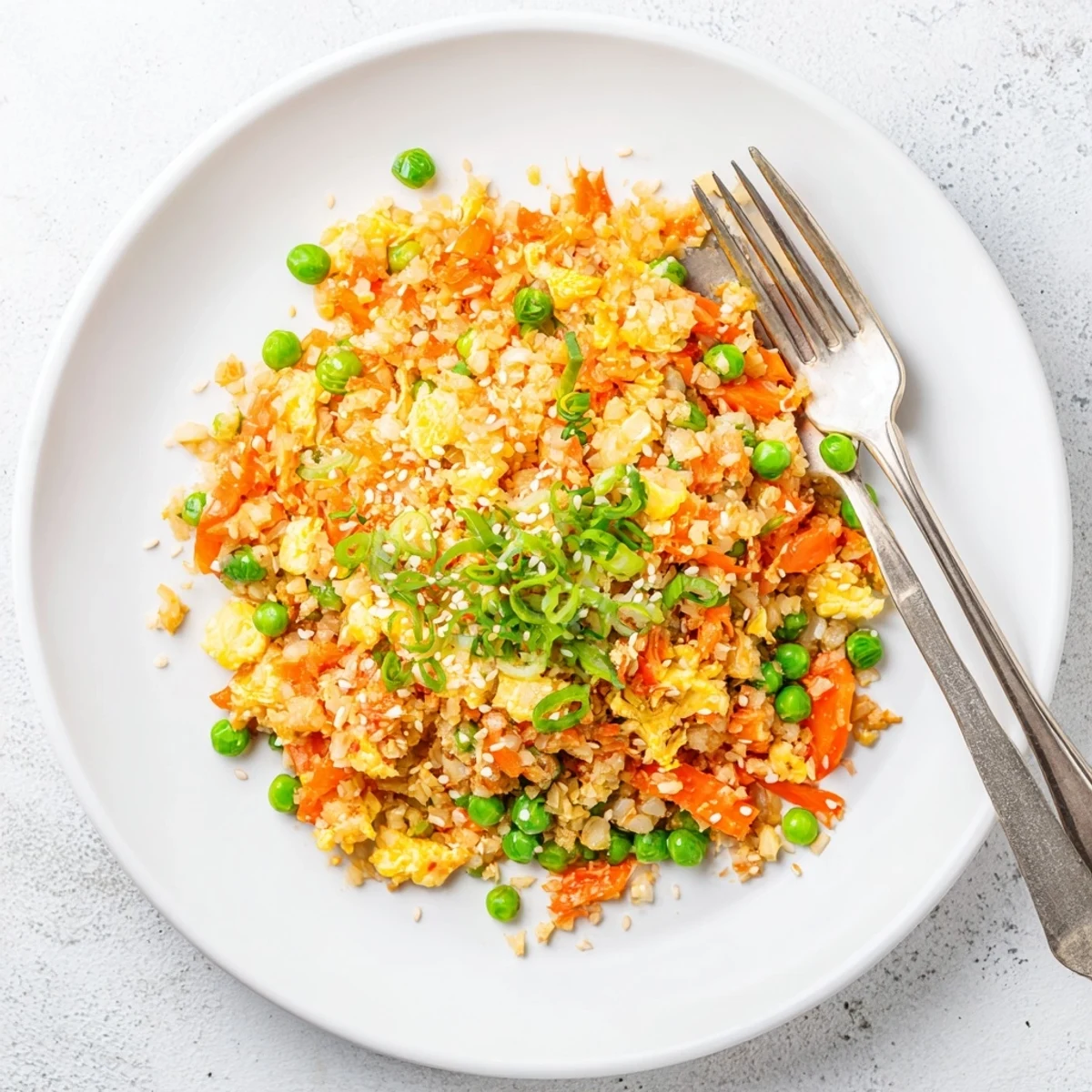
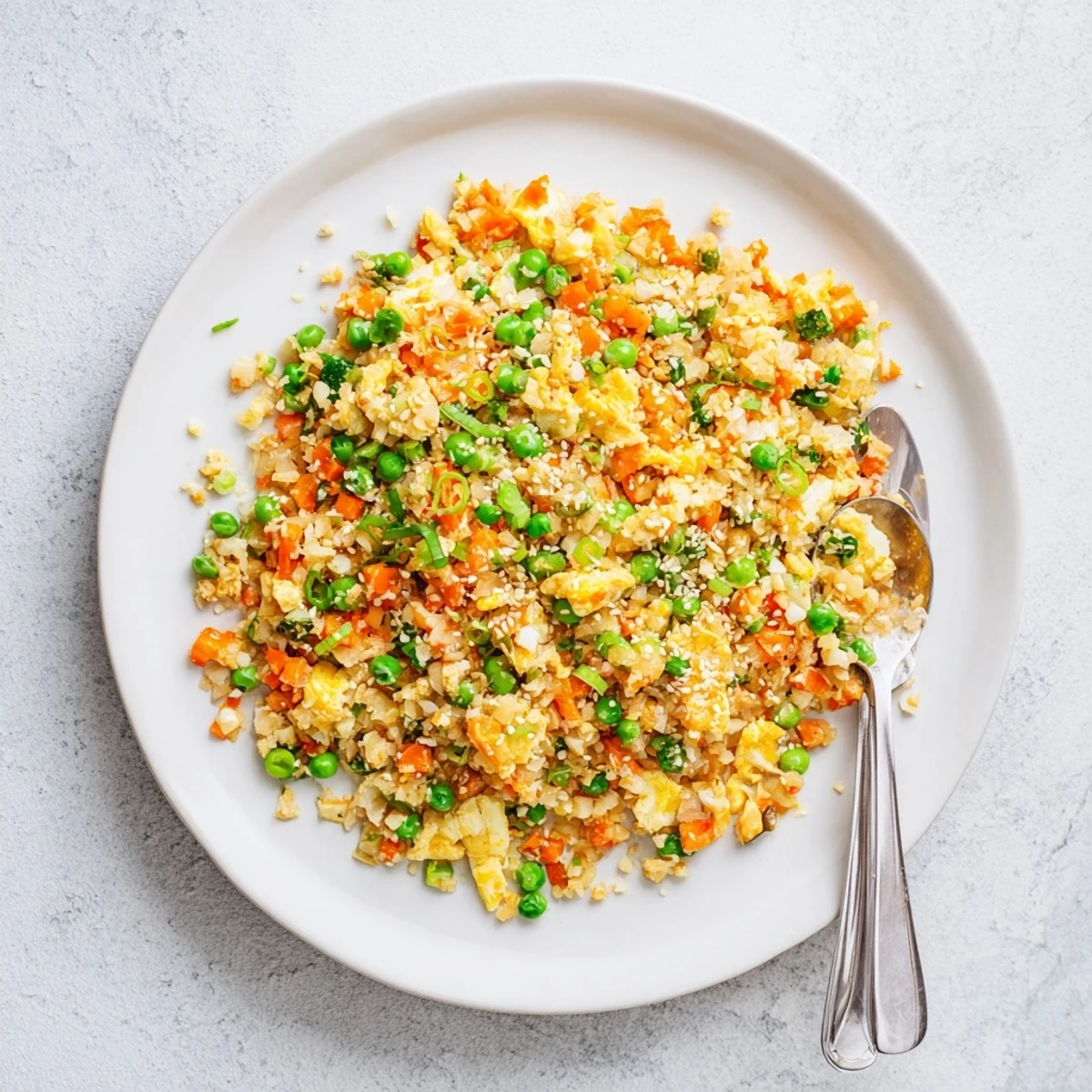
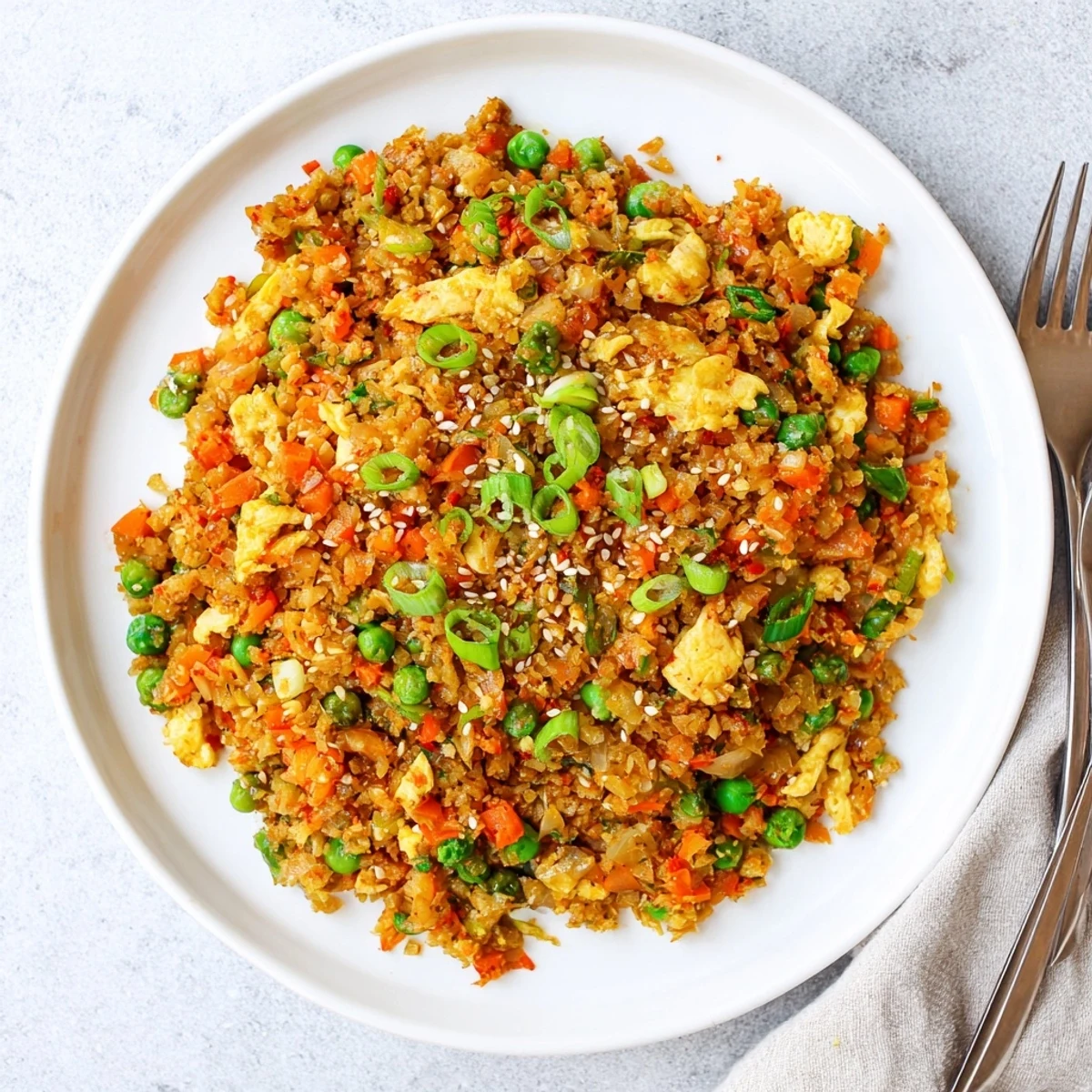
 This Asian-inspired dish transforms cauliflower into rice-like grains, then stir-fries them with fermented kimchi, fresh vegetables, and fluffy scrambled eggs. The result delivers all the comforting textures of traditional fried rice while keeping carbohydrates low and flavor high.
Perfect for weeknight dinners, this colorful bowl comes together in just 30 minutes. The kimchi provides probiotic benefits and authentic Korean heat, while sesame oil and soy sauce create that irresistible umami depth.
The first time I made cauliflower rice, I was honestly skeptical. My friend Sarah had been raving about it for months, and I finally caved during a Sunday meal prep session. One bite into this kim spiked version and I was completely converted. Now it is a regular weeknight rotation that somehow feels indulgent while being incredibly light.
Last winter, my sister came over for dinner looking completely exhausted from work. I whipped this up while she sat at my counter, sipping wine and complaining about her boss. By the time we sat down to eat, she had forgotten about work entirely and asked for the recipe before even finishing her plate.
Ingredients
- 1 medium head cauliflower: Pulse into rice sized pieces, avoiding over processing which can make it mushy
- 1 cup kimchi, drained and chopped: Older kimchi has more funk and works beautifully here
- 1 medium carrot, finely diced: Adds subtle sweetness and keeps great texture
- 1/2 cup frozen peas: No need to thaw first, they cook quickly
- 3 green onions, sliced: Separate white and green parts for different cooking times
- 2 cloves garlic, minced: Fresh is best, jarred can taste harsh
- 1 inch piece ginger, grated: Peel with a spoon for less waste
- 4 large eggs: Room temperature eggs scramble more evenly
- 2 tbsp soy sauce or tamari: Tamari keeps it gluten free without sacrificing flavor
- 1 tbsp sesame oil: Toasted sesame oil adds that authentic finish
- 1 tbsp vegetable oil: Neutral oil lets other flavors shine
- 1 tsp sriracha: Adjust based on your spice tolerance and kimchi heat
- 1/2 tsp freshly ground black pepper: White pepper works too if you want it invisible
- 1 tbsp toasted sesame seeds: Toast them yourself for the best aroma
Instructions
- Prepare the cauliflower rice:
- Pulse cauliflower florets in short bursts until rice like, watching closely to prevent over processing
- Scramble the eggs first:
- Heat half the oil in a large wok over medium high heat, scramble eggs until just set and still slightly runny
- Build the flavor base:
- Add remaining oil, sauté garlic, ginger, and white onion parts for 1 minute until incredibly fragrant
- Soften the vegetables:
- Toss in carrots and peas, cooking for 2 to 3 minutes until peas are bright and carrots slightly tender
- Add the kimchi:
- Stir in chopped kimchi and let it cook for 2 minutes, allowing those fermented flavors to bloom
- Cook the cauliflower:
- Add cauliflower rice and stir frequently for 4 to 5 minutes until tender but still with some bite
- Season everything:
- Drizzle with soy sauce, sesame oil, sriracha, and pepper, tossing until cauliflower takes on a golden hue
- Bring it together:
- Return eggs to the pan, breaking them into small pieces and folding through
- Final seasoning check:
- Taste and add more soy sauce or heat if needed, then remove from heat immediately
- Garnish and serve:
- Top with green onion tops and sesame seeds, serving while piping hot
 Pin It
 This recipe has become my go to when friends say they are watching carbs but still want something satisfying. Last month, my friend Mike took one bite and texted me three days later saying he had made it twice already. That is exactly the kind of feedback that keeps me coming back to this dish.
Getting the Texture Right
I have found that working in batches when pulsing the cauliflower makes a huge difference. Overcrowding the food processor leads to uneven pieces, with some turning to mush while others remain chunky. Taking the extra minute to do two smaller pulses results in perfectly uniform rice that cooks evenly throughout the dish.
Building Layers of Flavor
The trick I learned from a Korean chef friend is to let the kimchi cook slightly before adding the cauliflower. This step concentrates those fermented flavors and creates a depth that raw kimchi cannot achieve. It only takes an extra couple of minutes but transforms the entire dish from good to absolutely crave worthy.
Make Ahead Wisdom
Meal prepping this has saved me countless weeknight emergencies. The cauliflower rice keeps beautifully for up to four days in the refrigerator and actually develops more flavor as the ingredients meld together.
- Store the sesame seeds separately and add right before serving to maintain their crunch
- If reheating, add a splash of water and cover to prevent the cauliflower from drying out
- The dish freezes surprisingly well for up to a month, though the texture does soften slightly
 Pin It
 There is something deeply satisfying about a dish that respects tradition while embracing innovation. This cauliflower fried rice has become that perfect bridge in my kitchen, proof that eating lighter does not mean sacrificing joy at the table.
Recipe FAQs
- → Is cauliflower fried rice actually filling?
-
Yes, the combination of protein from eggs, fiber from vegetables, and healthy fats from sesame oil creates a satisfying meal. The cauliflower rice provides substantial volume without heavy carbohydrates.
- → Can I make this without a food processor?
-
Absolutely. You can grate cauliflower using a box grater or chop it finely with a knife. The texture will be slightly less uniform but still delicious.
- → How spicy is this dish?
-
The spice level depends on your kimchi. Most kimchi provides moderate heat, which you can adjust with sriracha. Start with less chili sauce if you prefer mild flavors.
- → Will leftovers reheat well?
-
This dish reheats beautifully. Store in an airtight container and warm in a skillet or microwave. The cauliflower may soften slightly but remains tasty.
- → Can I use frozen cauliflower rice?
-
Yes, frozen cauliflower rice works perfectly. Thaw and drain excess moisture before cooking to prevent sogginess. It's a great time-saving option.
- → What protein alternatives work besides eggs?
-
Pan-fried tofu, shredded chicken, or sautéed shrimp all complement the flavors well. For vegan versions, crumbled tempeh or edamame add protein.