
 Pin It
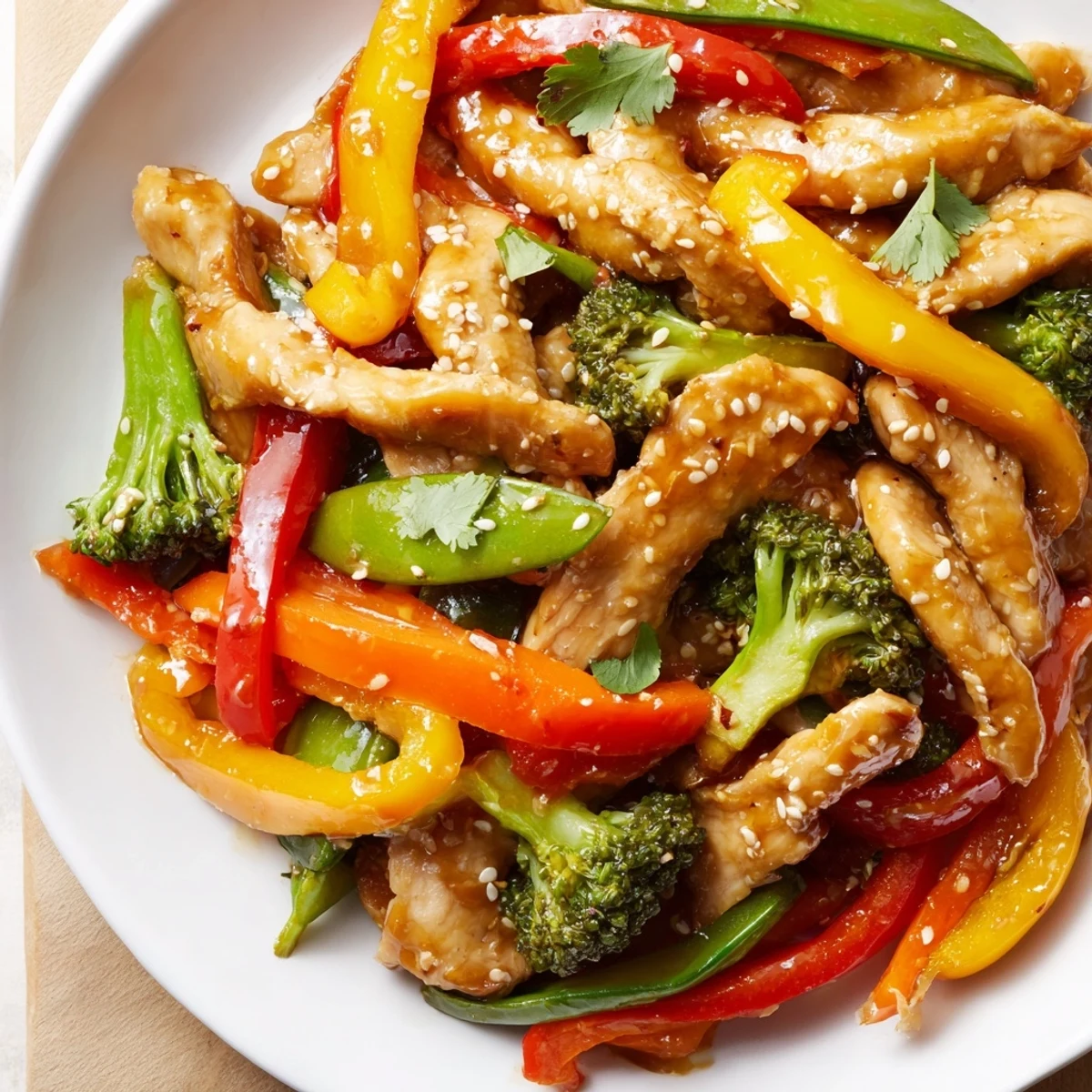
 This dish combines tender chicken breast with a colorful mix of seasonal vegetables including bell peppers, broccoli, and snap peas. Stir-fried quickly in a savory blend of soy, oyster sauce, and sesame oil, it offers a balanced, vibrant meal that's perfect for busy evenings. Fresh ginger and garlic add brightness, while optional garnishes like toasted sesame seeds and cilantro add extra flavor and texture. Best served hot alongside steamed rice or noodles for a wholesome dinner.
There's something about the sizzle of a hot wok that makes me feel like I'm cooking in someone else's kitchen—the good kind of borrowed confidence. I learned to make this stir fry during a phase of my life when I was trying to eat better but didn't want to sacrifice flavor or the theatrical thrill of cooking. Now it's become my go-to when I need dinner on the table fast without the guilt of takeout.
I made this for a friend who'd just started her fitness journey, and she kept asking me what restaurant I'd ordered from. When I told her I'd made it at home, she demanded the recipe right there at the dinner table, sauce still on her plate. That moment taught me that simple food cooked with care tastes infinitely better than anything pretentious.
Ingredients
- Chicken breast: Slice it thin so it cooks through in minutes and absorbs the sauce like a dream. I learned to freeze mine for 15 minutes first—it's easier to slice that way.
- Red and yellow bell peppers: They're not just pretty; they add sweetness that balances the salty sauce.
- Carrot: Julienned thin so it softens just enough to bend but still has that gentle snap.
- Broccoli florets: Small pieces cook evenly and somehow taste fresher when they're not boiled to oblivion.
- Snap peas: These are what convince people this is restaurant-quality—they stay crisp and sweet.
- Spring onions: Add them at the very end so they stay fresh and slightly raw, which breaks up the richness.
- Garlic and ginger: The dynamic duo that makes you smell like you know what you're doing in the kitchen.
- Soy sauce and oyster sauce: Soy brings salt and umami, oyster adds depth that can't be faked. Use tamari if gluten matters to you.
- Sesame oil: Just a splash—it's potent, aromatic, and transforms the whole dish into something fragrant and intentional.
- Cornstarch: This is the secret that thickens the sauce so it clings to everything instead of pooling at the bottom of the wok.
- Chicken broth: The liquid base that lets the sauce coat everything evenly without drowning the vegetables.
- Honey: A teaspoon rounds out the flavors, adding subtle sweetness that makes you pause and wonder what you're tasting.
- Vegetable oil: High heat demands neutral oil that won't smoke and steal the show.
Instructions
- Make Your Sauce Arsenal:
- Whisk soy sauce, oyster sauce, sesame oil, cornstarch, chicken broth, honey, and pepper in a small bowl and set it within arm's reach. You'll want it ready because once the wok gets hot, you're moving fast.
- Heat Your Wok Properly:
- Get your wok or large skillet screaming hot over medium-high heat, then add a tablespoon of vegetable oil. You want it shimmering but not smoking—that's the sweet spot where everything will cook fast without burning.
- Cook the Chicken First:
- Add sliced chicken and let it sit for a moment before stirring, so it gets a little color. Stir-fry for 3 to 4 minutes until just cooked through, then move it to a clean plate. Don't worry about it looking perfectly done; it'll finish cooking when it comes back.
- Aromatics Do the Heavy Lifting:
- Add the remaining oil, then immediately add minced garlic and ginger. Stir constantly for 30 seconds—this is when your kitchen transforms. You'll smell the magic happening.
- Vegetables Get Their Moment:
- Toss in all your vegetables and stir-fry for 3 to 4 minutes, keeping everything moving so nothing sticks or burns. The peppers and snap peas should still have a slight firmness when you bite them, and the broccoli should be bright green, not dull.
- Bring It All Together:
- Return the chicken to the wok, pour in your prepared sauce, and stir everything until coated. Let it cook for 2 to 3 minutes while the sauce thickens and clings to the vegetables and chicken.
- Finish with Fresh Brightness:
- Stir in the sliced spring onions and remove from heat immediately. The residual heat will soften them just enough while keeping their fresh bite.
 Pin It
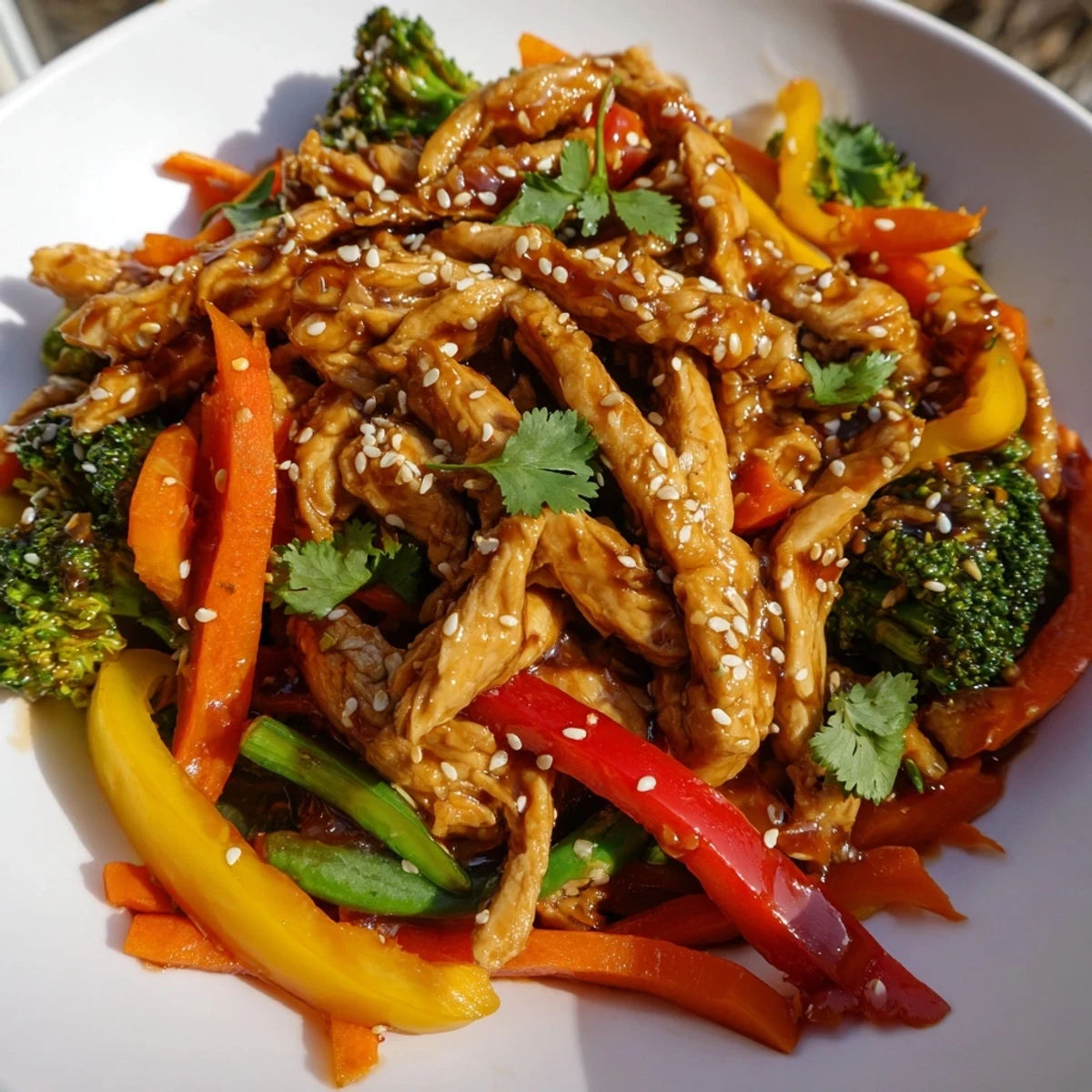
 My mom watched me make this once and said it reminded her of the stir fry we'd get from the corner place near her office, the one that closed down years ago. That was the moment I realized I'd finally cracked something she thought was untouchable—that good food isn't about fancy techniques, it's about respecting each ingredient and moving with intention.
Why Your Wok Matters
A proper wok with its curved sides and high heat tolerance is designed for exactly this kind of cooking. If you don't have one, a large skillet works, but the wok channels heat differently, and food moves around it more naturally. The shape matters because it concentrates heat at the bottom while the slanted sides stay cooler, so you can slide things up and down to control the temperature without moving them off the heat entirely. I've made this in both, and the wok version tastes slightly better because everything gets a chance to caramelize without overcooking.
Timing Is Everything
The beauty of stir fry is that it punishes hesitation and rewards speed. Your vegetables should be prepped and ready before any heat touches the pan, and your sauce should be mixed before you add the first ingredient. I used to scramble mid-cook, and that's when things started burning or steaming instead of frying. Now I treat the prep like it's part of the cooking, not something separate, and the whole process feels smooth.
Serving and Variations
Serve this over jasmine rice or brown rice if you want something soft and absorbent, or rice noodles if you're in the mood for something lighter. Some nights I skip the rice entirely and just eat it straight from the wok because I'm in a hurry or hungry enough that the vegetables and protein are enough. You can add a pinch of chili flakes if you want heat, or swap the chicken for tofu, shrimp, or even leftover turkey—the sauce is flexible and forgiving.
- For a spicier kick, add red chili flakes or a sliced fresh chili with the garlic and ginger.
- If you're dairy-free and avoiding soy, use tamari instead of regular soy sauce and check that your oyster sauce is gluten-free.
- Leftovers reheat beautifully in the microwave or a quick pan, though the vegetables won't be quite as crisp.
 Pin It
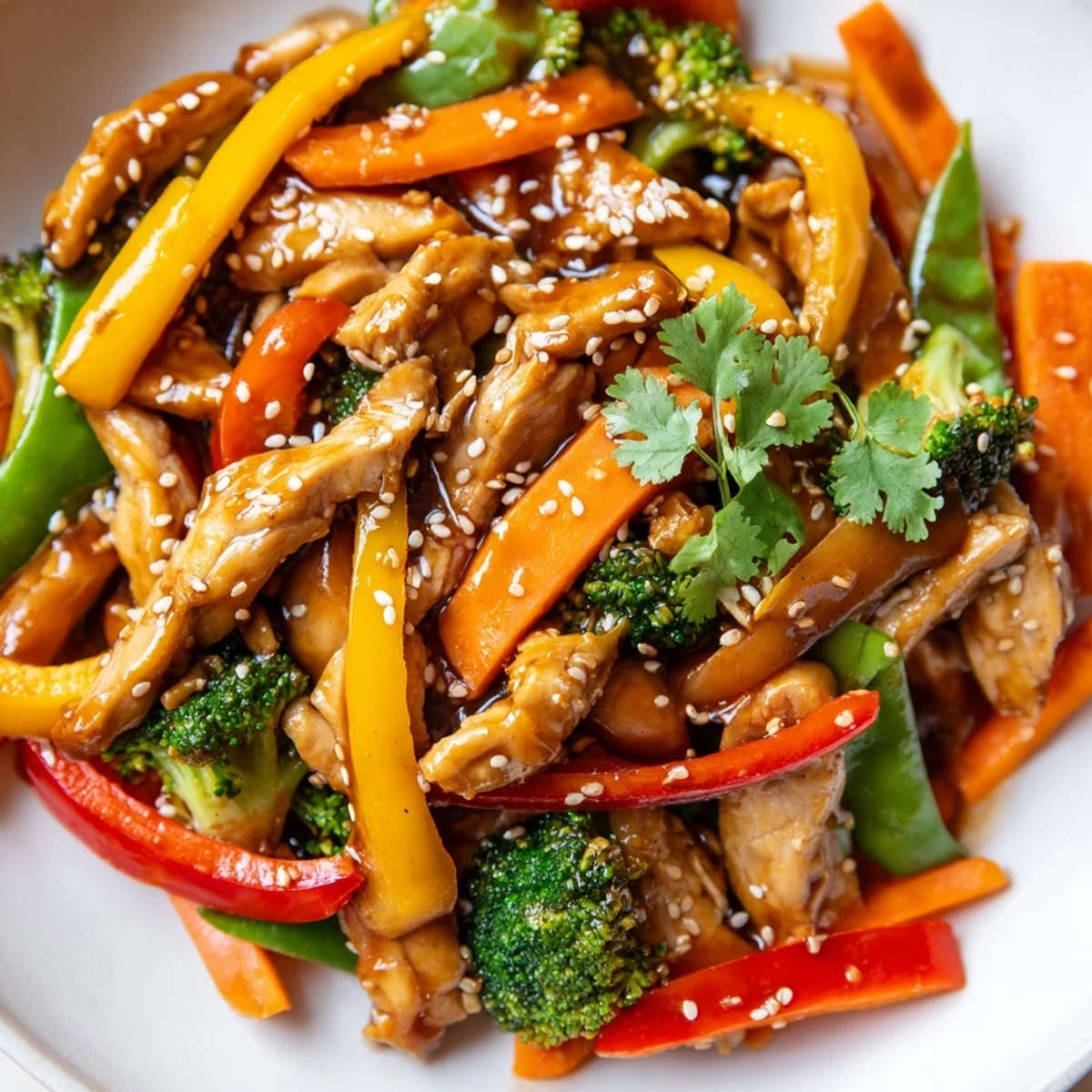
 This stir fry has become my answer to the question, how do I eat well without spending an hour in the kitchen? It's proof that quick food doesn't have to be compromised food. Once you make it a few times, your hands will know the rhythm, and you'll stop following the recipe and start trusting your senses instead.
Recipe FAQs
- → What vegetables work best in this stir-fry?
-
Bell peppers, broccoli florets, snap peas, and julienned carrots provide a crisp and colorful mix that cooks evenly and complements the chicken's texture.
- → How can I make the sauce thicker?
-
The sauce uses cornstarch to thicken. Cooking for 2-3 minutes after adding the sauce allows it to reach a glossy, coating consistency.
- → Can I substitute other proteins?
-
Yes, tofu or shrimp can replace chicken for varied flavors and textures without changing the cooking method.
- → What cooking tools are recommended?
-
A large wok or skillet is ideal for even heat and quick stir-frying. Sharp knives and mixing bowls are also useful for prep.
- → How to enhance spiciness if desired?
-
Add red chili flakes or sliced fresh chilies during the garlic and ginger stir-fry step to introduce a subtle heat.