
 Pin It
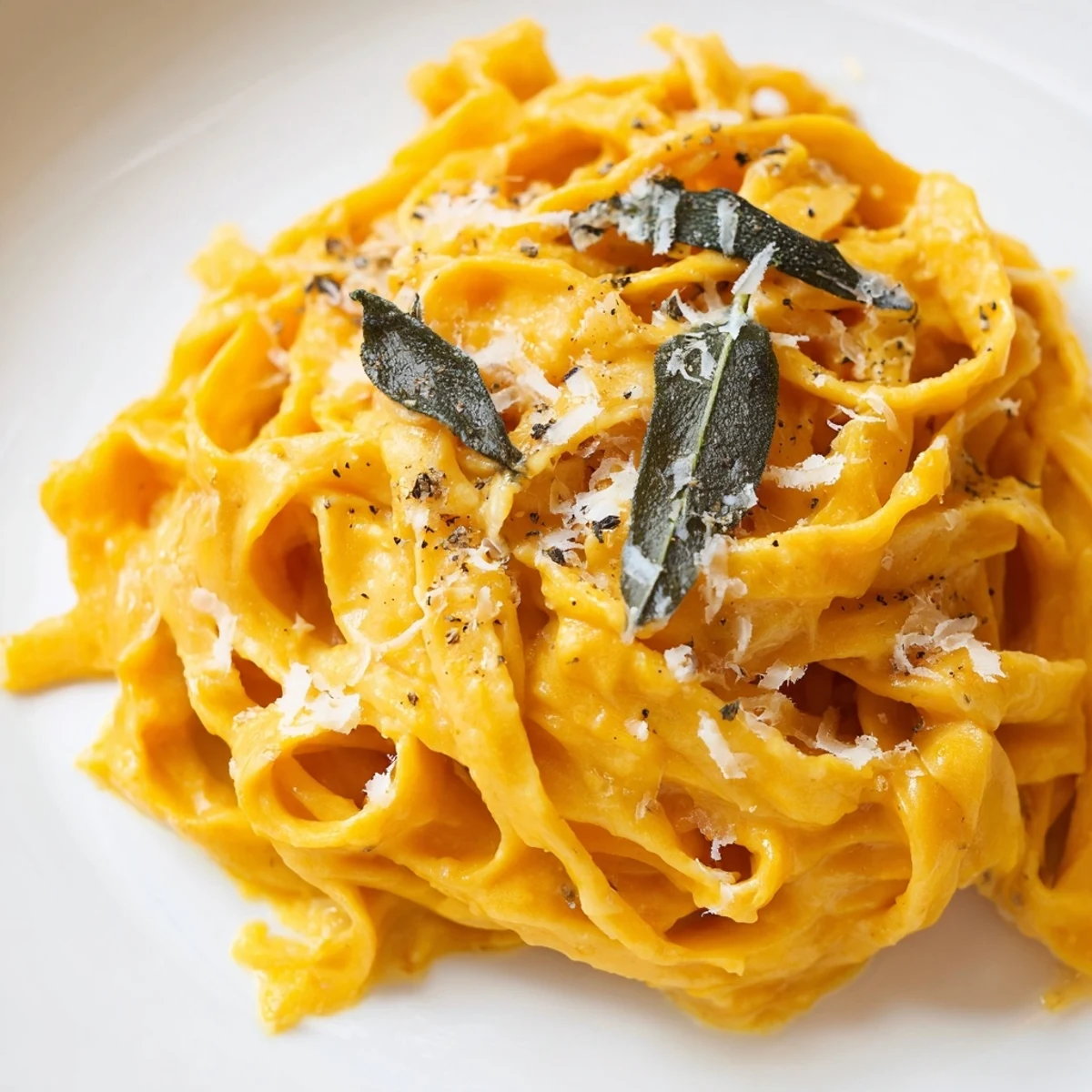
 This silky sauce combines smooth pumpkin purée with fresh sage, garlic, and onions, enhanced by rich cream and Parmesan. Quickly sauté aromatics and blend pumpkin with seasoning, then slow simmer with cream for a luscious texture. Toss with your favorite pasta, using reserved cooking water to adjust consistency. Ideal for easy, comforting dinners with warm autumn flavors and herbaceous notes.
The first time I tasted this sauce, I wasn't even trying to make it—I had pumpkin purée left over from baking and a handful of sage growing wild on my windowsill, and something about their smell together felt like it belonged on pasta. Twenty minutes later, I was stirring cream into the most velvety, golden sauce I'd ever made, and suddenly autumn had a flavor. Now I make it every October, and every single time, someone at the table asks for the recipe.
I remember serving this to a friend who claimed she didn't like pumpkin anything, and watching her twirl her fork around fettuccine before asking for seconds was worth the quiet smile I tried to hide. She'd been skeptical until that first bite, when the subtle nutmeg and butter-soft texture won her over completely.
Ingredients
- Pumpkin purée: Use unsweetened pumpkin purée—it's the foundation of everything, giving you that smooth, naturally sweet base without any canned pie spice interference.
- Fresh sage: If you can find it, fresh sage leaves are essential; they're peppery and slightly floral, and dried sage just can't match that brightness.
- Heavy cream: This is what transforms pumpkin from dense to luxurious—don't skip it or substitute it with milk.
- Garlic and onion: They build a quiet savory foundation that keeps the sauce from tasting one-dimensional.
- Parmesan cheese: Finely grated and fresh-if-possible, it adds a salty umami depth that makes everything else sing.
- Butter and olive oil: The combination gives you the richness you need and a cleaner finish than butter alone.
- Nutmeg: Just a pinch—it's the secret handshake between the pumpkin and everything else.
- Pasta: Fettuccine, penne, or any shape you love; just make sure to reserve pasta water before draining.
Instructions
- Start your pasta water:
- Fill a large pot with salted water—it should taste like the sea—and bring it to a rolling boil. This is where your pasta gets its flavor, so don't rush it.
- Build the flavor base:
- While the water heats, warm olive oil and butter in a skillet over medium heat, then add your finely chopped onion. Watch it turn translucent and soft, which takes about 3 to 4 minutes; this is when the sweetness starts developing.
- Wake up the sage:
- Once the onion is soft, add minced garlic and your fresh sage leaves, stirring constantly for just a minute or two until the kitchen smells like autumn. Don't let the garlic brown—you want that gentle fragrance, not bitterness.
- Introduce the pumpkin:
- Stir in the pumpkin purée along with salt, pepper, and that pinch of nutmeg, letting it warm through for a couple of minutes while you stir. The pumpkin will deepen slightly in color and become more aromatic as it heats.
- Make it creamy:
- Pour in the heavy cream slowly, stirring as you go so the sauce stays smooth and there are no lumps. Let it simmer gently for about 5 minutes, where it will thicken slightly and the flavors will begin to meld.
- Add the Parmesan:
- Scatter in the grated Parmesan, stirring until it's completely melted and the sauce looks silky. If it's thicker than you'd like, add a splash or two of reserved pasta water to loosen it.
- Finish with the pasta:
- Drain your pasta (saving that water, remember?) and add it directly to the skillet, tossing everything together until every strand is coated. Let it warm for just a minute more, then serve.
 Pin It
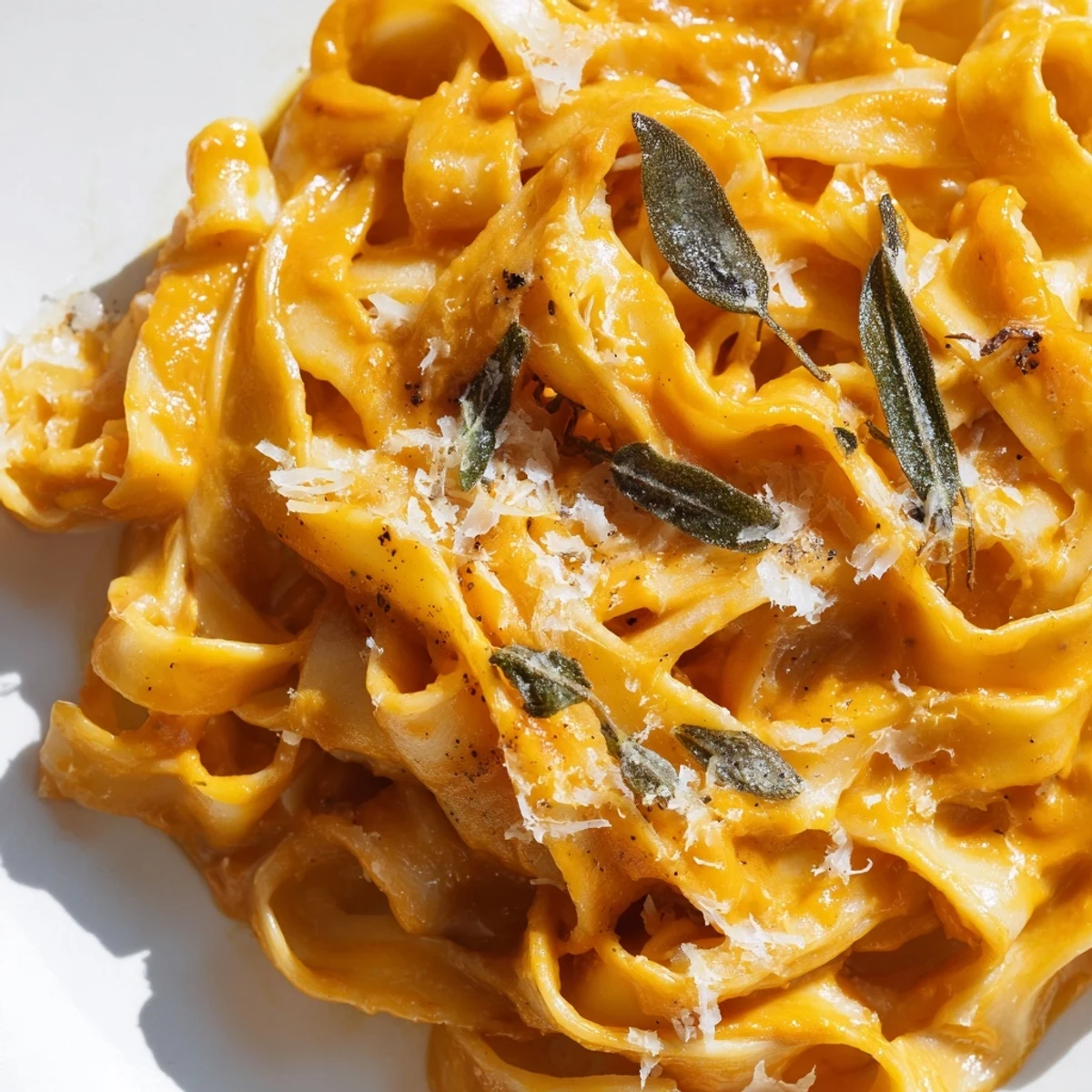
 There's a moment in every batch where I stir in the cream and watch the sauce transform from thick and rustic into something almost ethereal, and that's when I know it's going to be perfect. It's that shift from ingredients to alchemy that keeps me coming back to this recipe.
Why Sage and Pumpkin Are a Match
Sage has this peppery, almost minty quality that would clash with most vegetables, but with pumpkin's natural sweetness and creaminess, it creates something balanced and mature. The combination feels European and cozy at the same time, like you're eating something that's been perfected over centuries in someone's grandmother's kitchen.
Pasta Shapes That Work Best
Fettuccine is the classic choice because the wide ribbons catch and hold the creamy sauce in every bite, but penne's little tubes work beautifully too, filling with sauce as they cook. Even simple linguine or tagliatelle will work wonderfully; just avoid very thin pasta like angel hair, which can disappear under something this rich.
Making It Your Own
This sauce is forgiving enough to welcome additions without losing its identity. I've stirred in sautéed mushrooms for earthiness, toasted walnuts for crunch, and even a handful of spinach when I wanted something greener.
- For vegan versions, swap heavy cream for cashew cream or oat cream, use vegan butter, and replace Parmesan with nutritional yeast or a vegan Parmesan.
- A splash of dry white wine added after the pumpkin deepens the flavor without making it taste wintry.
- If you want it spicier, a tiny pinch of cayenne or red pepper flakes adds a subtle warmth that complements the sage.
 Pin It
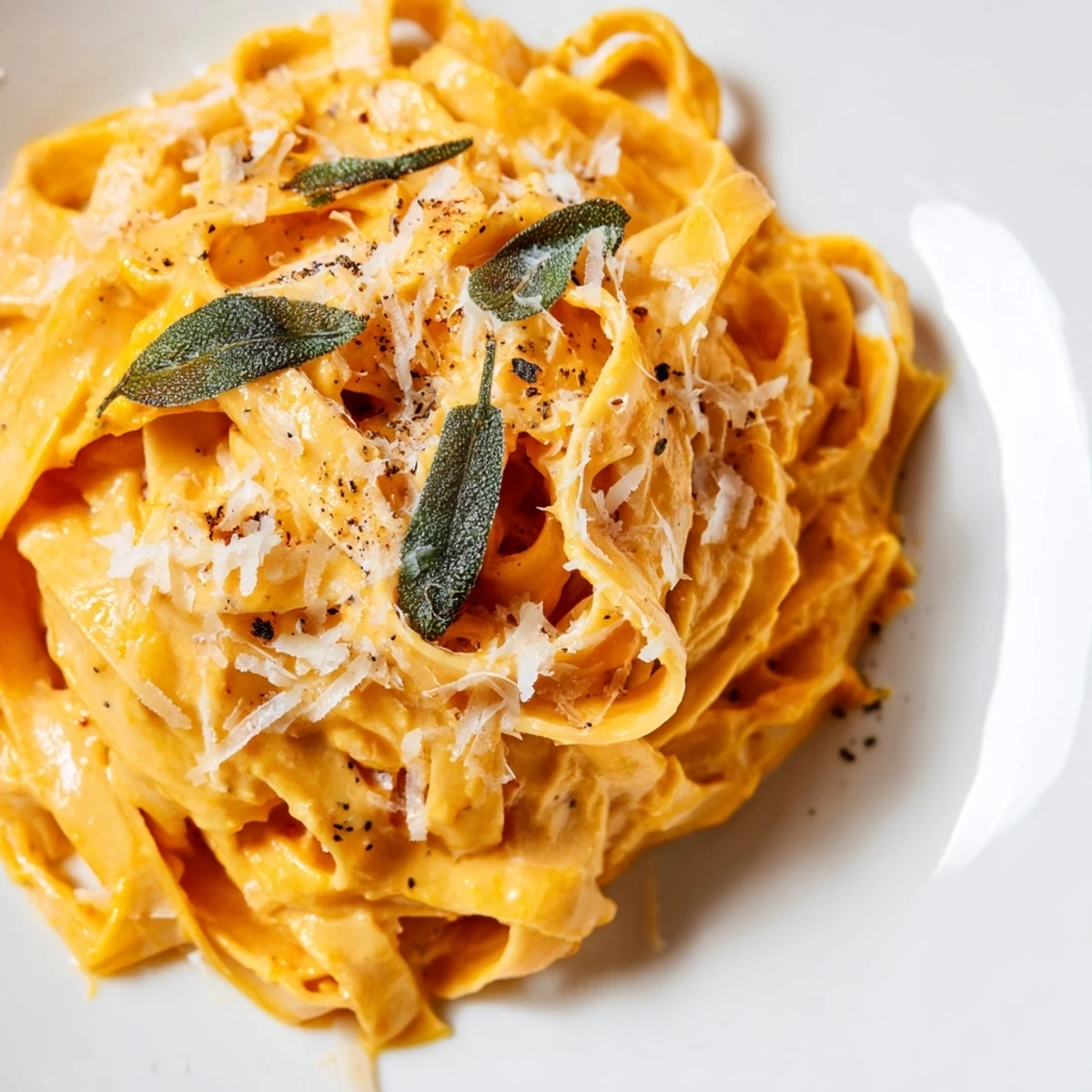
 This is the kind of dish that tastes like comfort and sophistication at the same time, and somehow that feels like the perfect thing to share with people you care about. It's autumn on a plate, made simple.
Recipe FAQs
- → What type of pumpkin should I use?
-
Use unsweetened pumpkin purée for a smooth texture and natural sweetness without added sugars.
- → Can I substitute fresh sage with dried?
-
Yes, use about one teaspoon of dried sage as a substitute; add it when cooking garlic to release its aroma.
- → How do I prevent the sauce from becoming too thick?
-
Reserve some pasta cooking water and add it gradually to the sauce until it reaches your desired consistency.
- → Is Parmesan necessary for flavor?
-
Parmesan adds a savory, nutty depth; it enhances richness but can be omitted or replaced with alternatives in dairy-free versions.
- → What pasta types work best with this sauce?
-
Fettuccine, penne, or any pasta that holds sauce well is ideal to capture the creamy texture and flavors.