
 Pin It
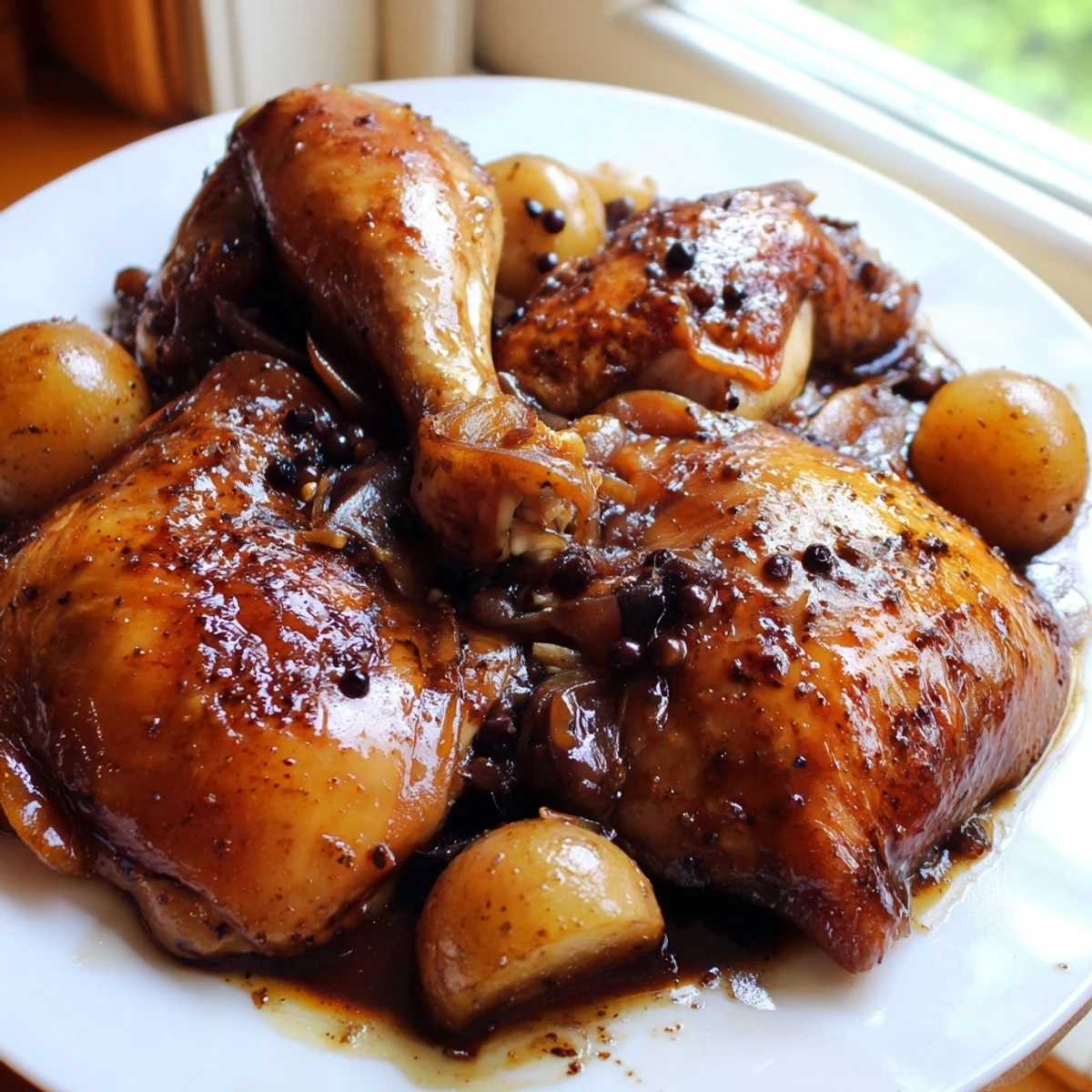
 This beloved Filipino classic transforms simple ingredients into something extraordinary. Chicken pieces are marinated in a bold mixture of soy sauce, vinegar, crushed garlic, bay leaves, and peppercorns, then braised until meltingly tender. The sauce reduces into a rich, savory glaze that perfectly balances tangy and salty notes. Ready in about an hour, this dish only gets better with time—leftovers develop even deeper flavors the next day. Serve over fluffy white rice for the ultimate comfort meal.
The first time I smelled chicken adobo simmering in my tiny apartment kitchen, I understood why this dish is practically the unofficial national dish of the Philippines. That distinctive tangy-salty aroma filled every corner, making my stomach growl in anticipation. My Filipino friend had walked me through the recipe over the phone, laughing when I asked about exact measurements. "It's about balance," she'd said, "not math."
I made this for my roommate's birthday dinner during a particularly cold winter, and she took one bite, closed her eyes, and said it tasted like a warm hug from her grandmother. We sat around the steaming pot of chicken and rice for hours, just talking and eating until the sauce was nearly gone. That night turned adobo into our go-to comfort food for every stressful exam period, homesick moment, or celebration that followed.
Ingredients
- Chicken thighs and drumsticks: Bone-in, skin-on pieces keep the meat incredibly tender and add richness to the braising liquid
- Soy sauce: The foundation of that deep savory flavor, I prefer using Filipino brands like Silver Swan when I can find them
- Cane vinegar: This traditional choice gives adobo its characteristic tang, though white vinegar works in a pinch
- Garlic cloves: Don't be shy here, six cloves is minimum and I often add more because garlic makes everything better
- Bay leaves: These lend a subtle earthy fragrance that makes the dish taste authentically Filipino
- Whole black peppercorns: Crushing them slightly before adding releases their floral heat throughout the sauce
- Brown sugar: Just a tablespoon balances the sharp vinegar and salty soy sauce into something harmonious
- Vegetable oil: Essential for getting that golden-brown sear on the chicken before braising
- Medium onion: Sliced thin, it melts into the sauce adding sweetness and depth
- Medium potatoes: They soak up all that incredible braising liquid and become the best part of the dish
Instructions
- Create the marinade magic:
- Combine the chicken, soy sauce, vinegar, crushed garlic cloves, bay leaves, peppercorns, and brown sugar in a large bowl. Use your hands to massage everything into the chicken, ensuring each piece is well coated. Let it sit for at least 30 minutes, though overnight in the refrigerator transforms the flavor completely.
- Prepare for searing:
- Pull the chicken from the marinade but don't you dare throw away that liquid gold. Pat each piece thoroughly dry with paper towels, because wet chicken won't brown properly and you'll miss out on those caramelized bits that make the sauce extraordinary.
- Build that golden crust:
- Heat your oil in a large deep skillet or Dutch oven over medium-high heat until it shimmers. Place the chicken skin-side down and let it develop a beautiful brown crust, about 2 to 3 minutes per side. Work in batches if your pan is crowded, because overcrowding creates steam instead of sear.
- Sweeten the foundation:
- Toss in your sliced onions and let them soften for about 2 minutes, stirring occasionally. They should start turning translucent and fragrant, which means they're ready to welcome the braising liquid.
- Bring it all together:
- Pour in that precious reserved marinade along with the half cup of water. Drop in the quartered potatoes if you're using them, and bring everything to a gentle simmer. The moment those bubbles start breaking the surface, your kitchen will smell incredible.
- Low and slow does it:
- Cover the pot and reduce your heat to low, letting everything cook gently for 25 to 30 minutes. Stir occasionally to make sure nothing's sticking to the bottom, and cook until the chicken is tender enough to pull away from the bone with just a gentle tug.
- Concentrate the flavors:
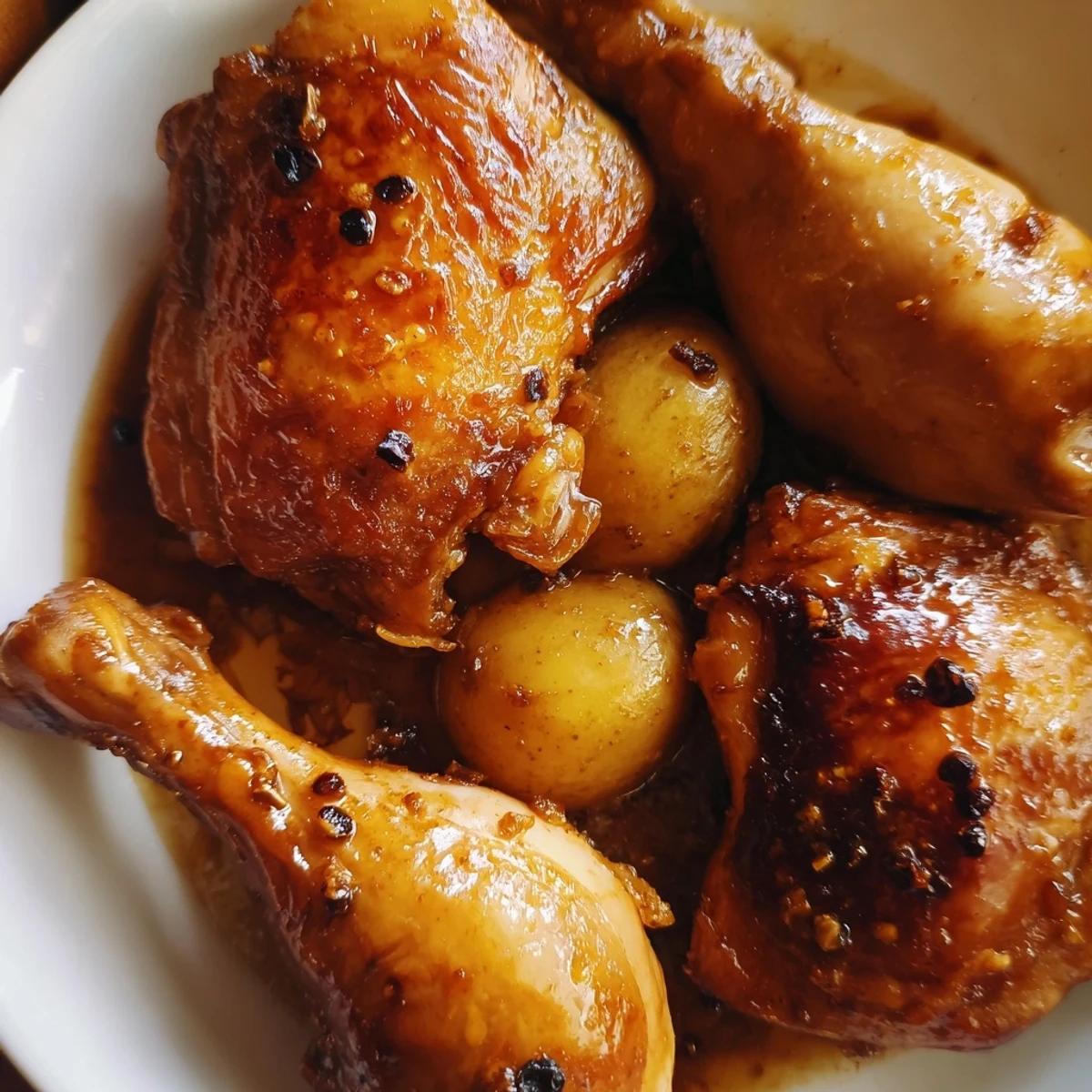
- Remove the lid and simmer for another 10 to 15 minutes, letting the sauce reduce until it coats the back of a spoon. Watch it carefully during this stage, because the difference between perfectly thickened and burnt can happen in just a few minutes.
- Final touches:
- Taste the sauce and adjust the seasoning if needed, remembering that bay leaves have done their job and should be fished out before serving. The balance should be tangy, salty, and slightly sweet all at once.
 Pin It
 There's something deeply satisfying about serving adobo to people who've never tried it before, watching their faces light up as they realize how complex yet comforting the flavors are. My now-husband first won me over by cooking adobo on our third date, claiming it was the only thing he knew how to make well. Something about standing over the stove together, adjusting the seasoning and arguing over when the sauce was perfect, told me this was someone I wanted to cook with forever.
Making It Your Own
The beauty of adobo lies in its adaptability. I've added coconut milk for a rich, creamy version called Adobo sa Gata that my niece requests every time she visits. Some cooks swear by adding a splash of soda or a pinch of turmeric for color. The key is understanding the base flavor profile and then gently nudging it toward what your family loves most.
The Potato Question
Not every Filipino cook adds potatoes, but I've become convinced they're essential for stretching the dish and making it feel like a complete meal. The potatoes soak up all that intense braising liquid, becoming these flavor bombs that somehow taste even better than the chicken itself. Just be sure to cut them large enough that they don't disintegrate during the long simmer.
Perfect Rice Every Time
Adobo demands a bed of fluffy white rice to catch all that precious sauce. I learned to rinse my jasmine rice until the water runs clear, which prevents that gummy texture that used to frustrate me. The rice should be cooked with slightly less water than usual, because the adobo sauce will provide moisture and flavor as it soaks in.
- Don't skip the fried garlic garnish if you have time, it adds this incredible crunch that contrasts perfectly with the tender chicken
- Leftover adobo freezes beautifully for up to three months, just thaw it slowly in the refrigerator overnight
- If the sauce is too salty for your taste, add a splash more water and a tiny bit of brown sugar to balance it out
 Pin It
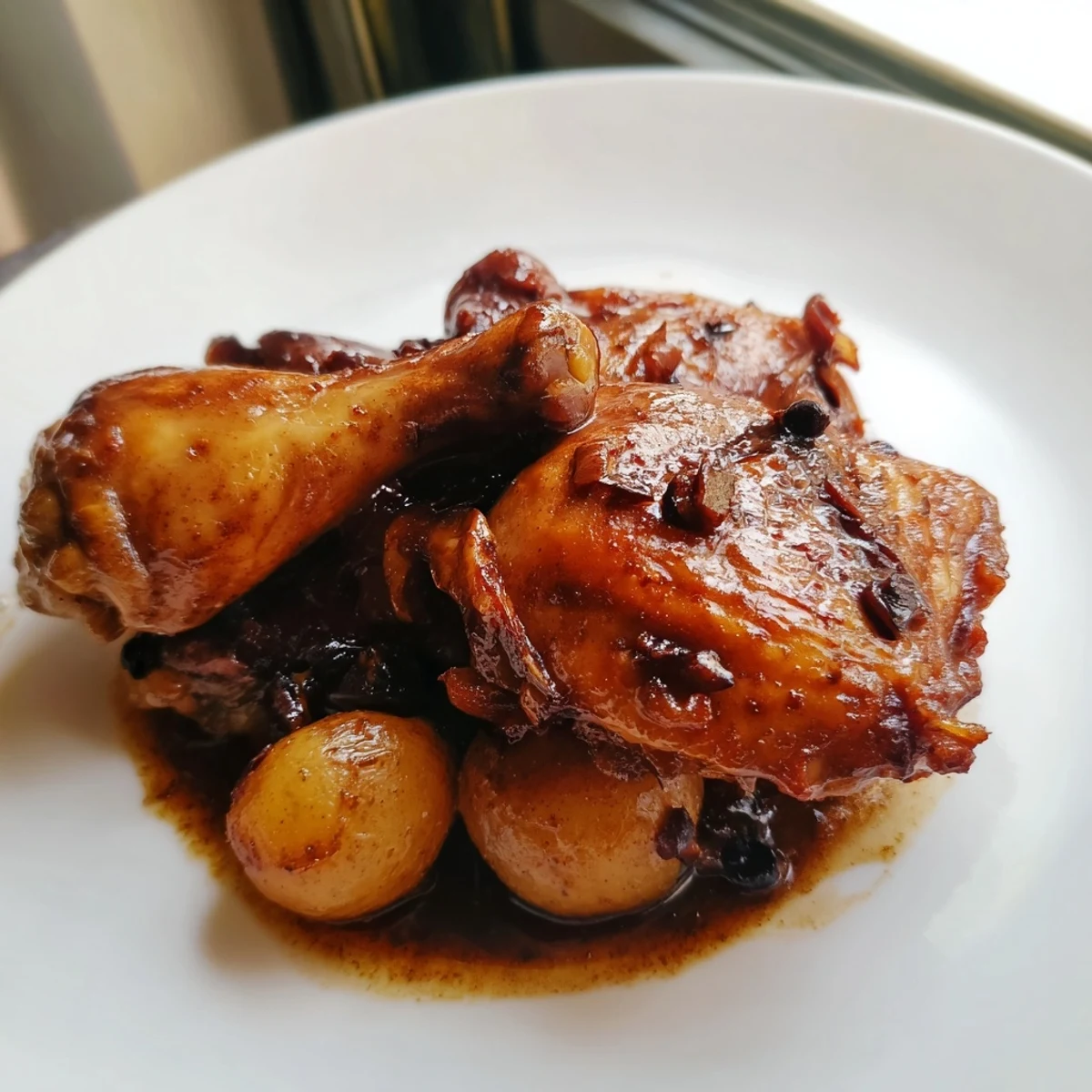
 Whether you're cooking for a crowd or just yourself, chicken adobo has a way of making any meal feel special. That combination of vinegar, soy sauce, and garlic creates something greater than the sum of its parts, a dish that nourishes both body and soul with every spoonful.
Recipe FAQs
- → What makes Filipino chicken adobo unique?
-
The magic lies in the balance of soy sauce and vinegar as the primary braising liquid. This combination creates a distinctive savory-tangy flavor profile that's both bold and comforting. The long simmering allows the sauce to reduce and concentrate, coating the chicken in a rich, glossy glaze.
- → Can I use other meats besides chicken?
-
Absolutely. Pork is a traditional alternative and creates an equally delicious version. Many Filipinos enjoy a combination of pork and chicken pieces together. The cooking time may vary slightly depending on the meat you choose.
- → How long should I marinate the chicken?
-
Minimum 30 minutes for basic flavor, but overnight marinating in the refrigerator yields the most tender and flavorful results. The vinegar helps break down the proteins, making the chicken exceptionally juicy.
- → What type of vinegar works best?
-
Cane vinegar is traditional in Filipino cooking, but white vinegar, apple cider vinegar, or even rice wine vinegar all work beautifully. Each variety brings slightly different notes to the final dish.
- → How do I know when the sauce is properly reduced?
-
The sauce is ready when it coats the back of a spoon and has a glossy, slightly thickened consistency. You should be able to see the bottom of the pan briefly when you run a spatula through the liquid.
- → Can I make this ahead of time?
-
Yes, and in fact, many people believe adobo tastes even better the next day. The flavors continue to meld overnight. Store in an airtight container in the refrigerator and reheat gently on the stove.