
 Pin It
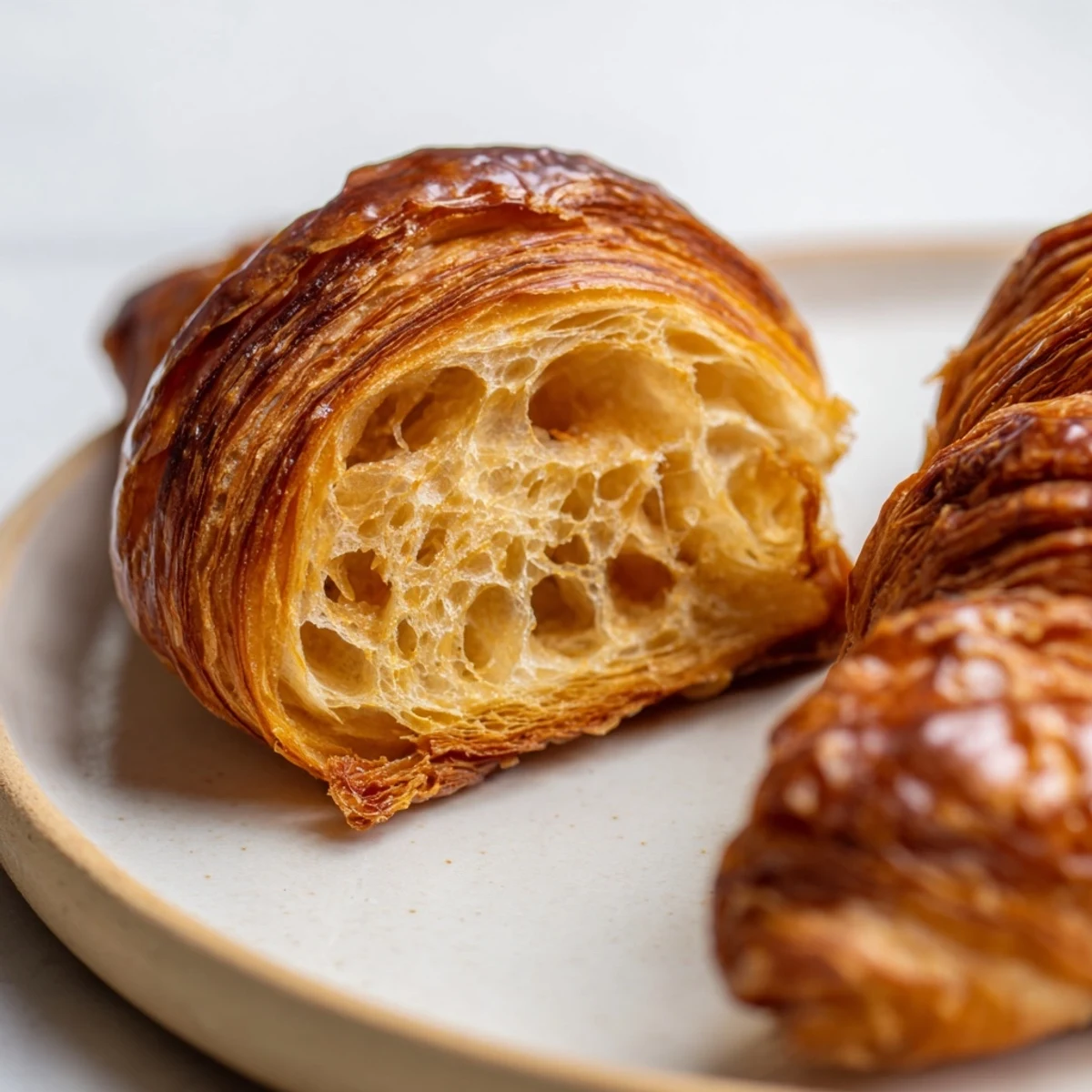
 Craft authentic French bakery pastries entirely without gluten through the precise art of lamination. This method creates distinct buttery layers that puff into golden, flaky crescents. The dough combines gluten-free flour blends with almond flour for structure, while repeated folding and chilling builds those signature airy pockets. Though the process requires patience and multiple chilling periods, the result delivers all the rich, melt-in-your-mouth texture of traditional croissants. Perfect warm from the oven with jam or enjoyed plain to appreciate the buttery layers.
The kitchen was strangely quiet that Sunday morning when I decided to attempt gluten-free croissants. My husband had watched me fail at laminated dough three times already, offering encouraging smiles while secretly wondering if we should just buy bakery pastries instead. But there is something deeply satisfying about nailing a technique that most people say is impossible with gluten-free flour. When these emerged from the oven, actually flaky and golden, we stood over the cooling rack like proud parents.
Last Christmas morning, my sister-in-law who has celiac disease actually teared up when she saw the croissant basket. She had not had a real croissant in seven years, not since her diagnosis. Watching her take that first bite, closing her eyes at the buttery flavor, made every frustrating hour of rolling and folding completely worth it. Sometimes food is just food, but sometimes it is a way to say someone belongs at the table.
Ingredients
- Gluten-Free All-Purpose Flour: The xanthan gum here is non-negotiable, it provides the elastic structure that gluten usually handles
- Almond Flour: This adds richness and helps create that tender crumb we are chasing
- Instant Yeast: No proofing needed, which means one less opportunity for something to go wrong
- Cold Unsalted Butter: The temperature matters more than you think, warm butter melts into the dough instead of creating separate layers
- Room Temperature Egg: A cold egg can shock the dough and make it harder to work with
Instructions
- Mix the dough base:
- Whisk your dry ingredients in a large bowl until everything is evenly distributed. In another bowl, combine the warm milk, water, egg, and softened butter until smooth. Pour the wet mixture into the dry and stir until you have a sticky, shaggy dough that holds together when pressed.
- First chill:
- Shape your dough into a rough rectangle, wrap it tightly in plastic, and refrigerate for 45 minutes. This rest relaxes any potential gluten-free structure and makes the dough much easier to roll out later.
- Prepare the butter layer:
- Slice your cold butter into thin slabs and arrange them between two sheets of parchment paper. Use a rolling pin to pound and roll them into an even 6 by 8-inch rectangle. If the butter starts getting soft or greasy, pop it back in the fridge for a few minutes.
- First fold:
- Roll your chilled dough into a 12 by 8-inch rectangle on a lightly floured surface. Place that cold butter rectangle over the bottom two-thirds of the dough, leaving a small border. Fold the top third down over the butter, then fold the bottom third up like you are folding a letter.
- Complete the turns:
- Rotate the dough 90 degrees, roll it out again to 12 by 8 inches, and repeat the letter fold. Do this rolling and folding two more times, chilling the dough for 20 minutes between each turn. The cold is your friend here, preventing the butter from melting into the dough.
- Final chill:
- After your fourth and final fold, wrap the dough and refrigerate it for a full hour. This rest is crucial for relaxing the gluten-free flour and ensuring clean, distinct layers when you eventually bake them.
- Shape the croissants:
- Roll the chilled dough into a 16 by 10-inch rectangle and use a sharp knife or pizza cutter to cut it into 8 triangles. Starting from the wide end, roll each triangle up tightly, then place them on a parchment-lined baking tray with the point side down.
- Proof and bake:
- Cover the tray and let the croissants rise in a warm place for 1 to 1.5 hours until they look slightly puffy. Preheat your oven to 400°F, whisk together the egg wash, and brush each croissant lightly. Bake for 20 to 22 minutes until they are a deep golden brown.
 Pin It
 My friend Sarah, who can eat gluten, actually prefers these version now. She said the almond flour adds a subtle nuttiness that complements the butter perfectly. It has become our Sunday morning tradition, regardless of who is coming over for breakfast.
Working with Gluten-Free Dough
Gluten-free dough behaves differently than what you might be used to. It can feel sticky and fragile at first, almost like it wants to fall apart. Resist the urge to keep adding flour, which will make the final pastry tough. A light touch and plenty of chilling time are your best tools. The xanthan gum needs time to hydrate and do its job of holding everything together.
The Lamination Process
Laminating dough is really just creating alternating layers of butter and dough. When the croissants bake, the water in the butter turns to steam, puffing up those layers and creating flakes. With gluten-free flour, we need to be extra careful about temperature because the dough softens faster than wheat versions would. Work quickly but calmly, and do not hesitate to take breaks if things start feeling warm or greasy.
Serving and Storage
These croissants are absolutely best eaten the same day they are baked, preferably while still slightly warm from the oven. The texture deteriorates after the first day, though you can refresh them in a 350°F oven for about 5 minutes to restore some crispness. They freeze beautifully before baking, simply freeze the shaped croissants on a tray, then transfer to a bag and proof overnight when you are ready to bake.
- Leftover croissants make incredible bread pudding or pain perdu
- For extra indulgence, stuff them with chocolate before rolling
- Always reheat in the oven, never the microwave, to preserve texture
 Pin It
 There is something profoundly satisfying about pulling a tray of golden, flaky croissants from your own oven. Share them with someone who has missed pastries, and watch their face light up.
Recipe FAQs
- → Why must the dough stay cold during lamination?
-
Cold temperature keeps the butter solid and separate from the dough layers. If butter warms and melts into the flour, you lose the distinct layers that create flakiness. Work quickly and chill whenever dough feels soft or sticky.
- → Can I skip the almond flour?
-
Almond flour adds structure and helps mimic gluten's elasticity. Substituting entirely with more gluten-free flour blend may result in crumbly layers that don't hold their shape during rising and baking.
- → How do I know when proofing is complete?
-
Properly proofed croissants will look noticeably puffy and hold a gentle indentation when lightly touched. Over-proofing causes collapse in the oven, while under-proofing prevents proper rise and layering.
- → Why did my croissants turn out dense?
-
Dense results usually mean butter melted into dough during lamination, layers were lost during rolling, or insufficient proofing time. Ensure thorough chilling between folds and maintain consistent cold temperature throughout preparation.
- → Can I freeze the dough for later?
-
Yes, freeze completed dough after final folding and chilling. Thaw overnight in refrigerator before rolling, cutting, and shaping. Alternatively, freeze shaped, unproofed croissants and thaw before final rise and baking.
- → What creates the signature crescent shape?
-
Rolling from the wide end toward the pointed tip naturally curves the pastry into a crescent. Placing them curved-side down on the baking sheet helps maintain shape during baking and rising.