
 Pin It
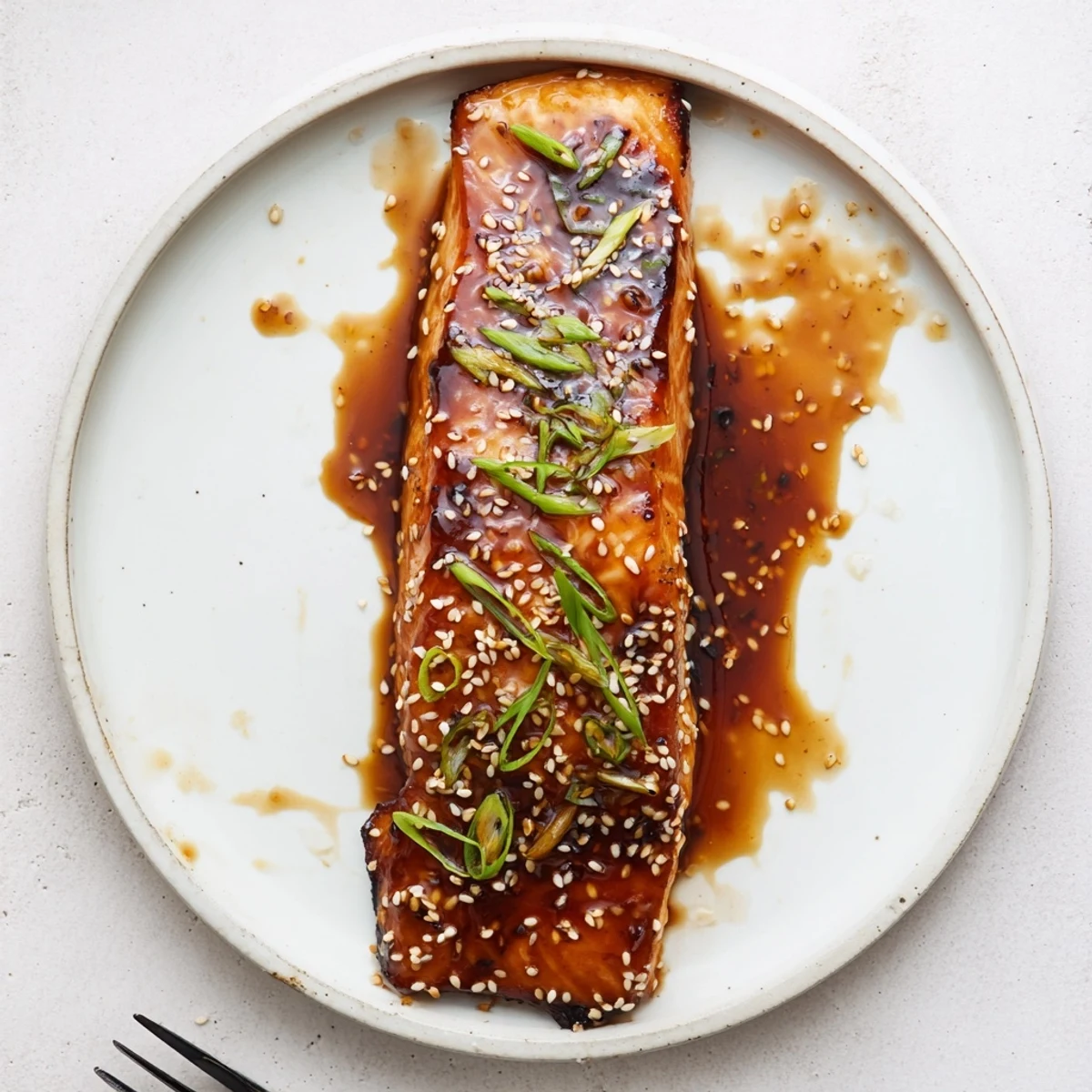
 This gluten-free teriyaki salmon brings bold umami flavors to your table in under 30 minutes. Four fresh salmon fillets are generously brushed with a homemade teriyaki sauce made from tamari, pure maple syrup, rice vinegar, sesame oil, garlic, and ginger.
The sauce thickens beautifully with a cornstarch slurry, creating a glossy glaze that caramelizes in the oven or on the grill. Bake for 10 to 12 minutes until the salmon is opaque and flaky.
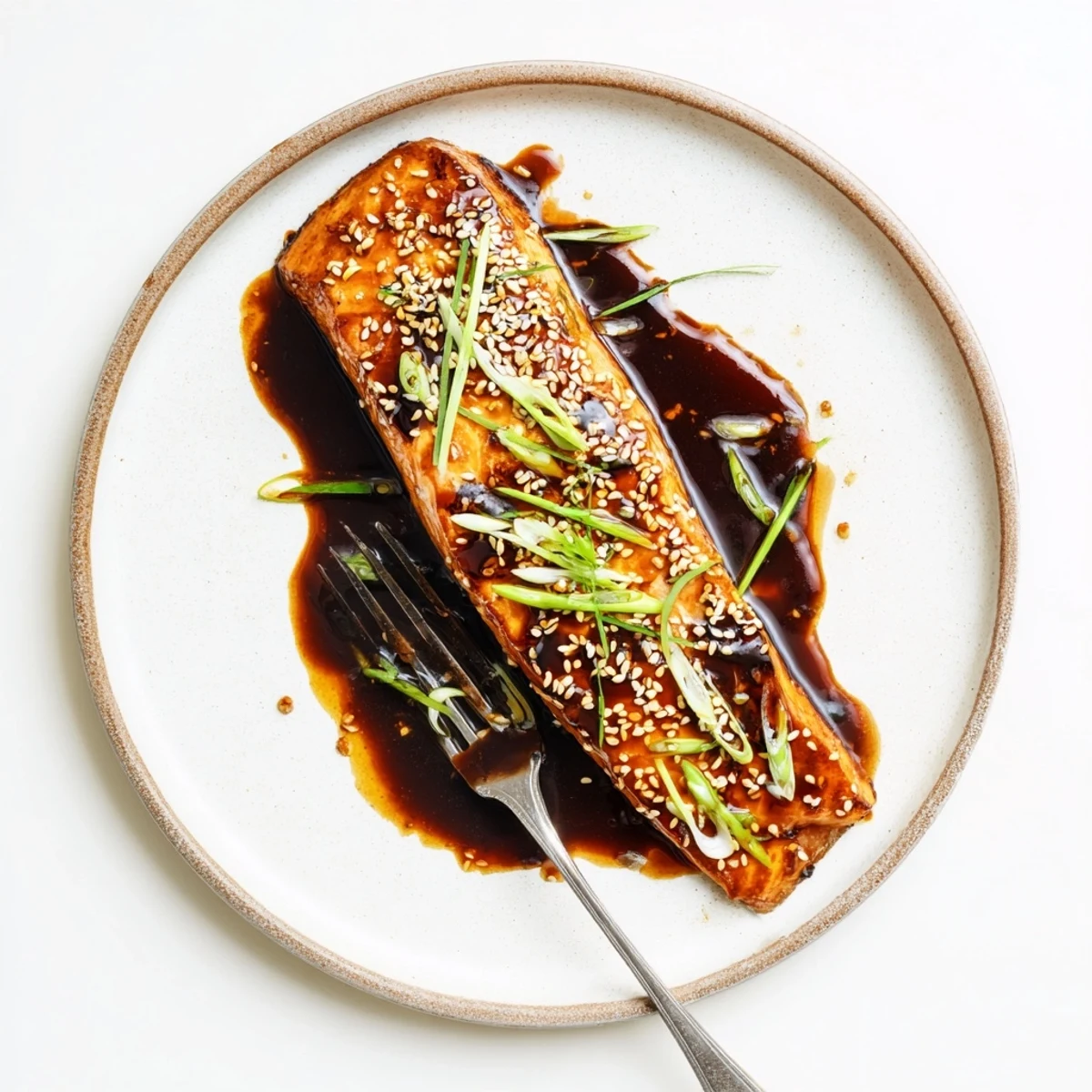
Finished with a drizzle of reserved sauce, toasted sesame seeds, and sliced spring onions, this dish pairs perfectly with steamed rice and vegetables for a complete gluten-free, dairy-free meal the whole family will enjoy.
The sizzle of salmon hitting a hot pan is one of those sounds that makes everyone in the house wander into the kitchen asking when dinner is ready. My friend Mika introduced me to proper homemade teriyaki sauce on a rainy Tuesday when we both needed something warm and comforting but quick. I had been buying bottled teriyaki for years without realizing how absurdly simple it is to make from scratch, especially a gluten free version that tastes even better than the store bought ones. That evening changed my weeknight dinner game forever.
I have made this salmon for my neighbors during a block party, for my parents on their anniversary, and once for a very judgmental foodie friend who sheepishly asked for seconds. The glaze gets sticky and caramelized in the oven, and someone always tries to sneak a taste before it hits the table. My partner now requests it every Friday without fail, and I have stopped arguing because it genuinely takes almost no effort.
Ingredients
- 4 salmon fillets, about 150 g each, skin on or skinless: Skin on gives you that crispy edge if you pan sear, but skinless works beautifully for baking and keeps things simpler.
- 60 ml gluten free tamari: This is your umami backbone and the reason you do not need regular soy sauce at all.
- 30 ml pure maple syrup: A rounder, gentler sweetness than refined sugar that also helps the glaze caramelize into something gorgeous.
- 30 ml rice vinegar: Just enough acidity to balance the salty and sweet without making it taste sharp.
- 1 tbsp sesame oil: Toasted sesame oil adds a nutty depth that makes the whole sauce taste like it simmered for hours.
- 2 to 3 cloves garlic, minced: Fresh garlic only please, the jarred stuff loses too much punch for a sauce this simple.
- 1 tbsp fresh ginger, grated: I freeze my ginger and grate it straight from frozen, a trick that saves time and makes grating effortless.
- 1 tbsp cornstarch plus 60 ml water: This slurry is what transforms a thin liquid into that glossy, clingy glaze you want draped over every bite.
- 1 tbsp toasted sesame seeds: Mostly for looks and a bit of crunch, but they do add a lovely finishing touch.
- 2 spring onions, sliced: Scatter these on top for a fresh bite that cuts through the richness of the salmon.
Instructions
- Get your heat ready:
- Preheat your oven to 200 degrees C or 400 degrees F, or fire up your grill to medium high if you want those beautiful char marks.
- Build the teriyaki sauce:
- Whisk together the tamari, maple syrup, rice vinegar, sesame oil, minced garlic, and grated ginger in a small saucepan until everything is blended.
- Make the slurry:
- Stir cornstarch and water in a small bowl until completely smooth, then pour it into the saucepan with the other ingredients.
- Thicken the glaze:
- Set the saucepan over medium heat and bring it to a gentle simmer, stirring constantly until it coats the back of a spoon, about 2 to 3 minutes, then pull it off the heat.
- Prep the salmon:
- Pat each fillet dry with paper towels and lay them on a parchment lined baking sheet or a lightly oiled grill tray so nothing sticks.
- Glaze the fish:
- Brush each piece of salmon generously with the teriyaki sauce using a basting brush, making sure to save some for serving later.
- Cook until perfect:
- Bake or grill for 10 to 12 minutes until the salmon is opaque and flakes easily when you press it gently with a fork.
- Finish and serve:
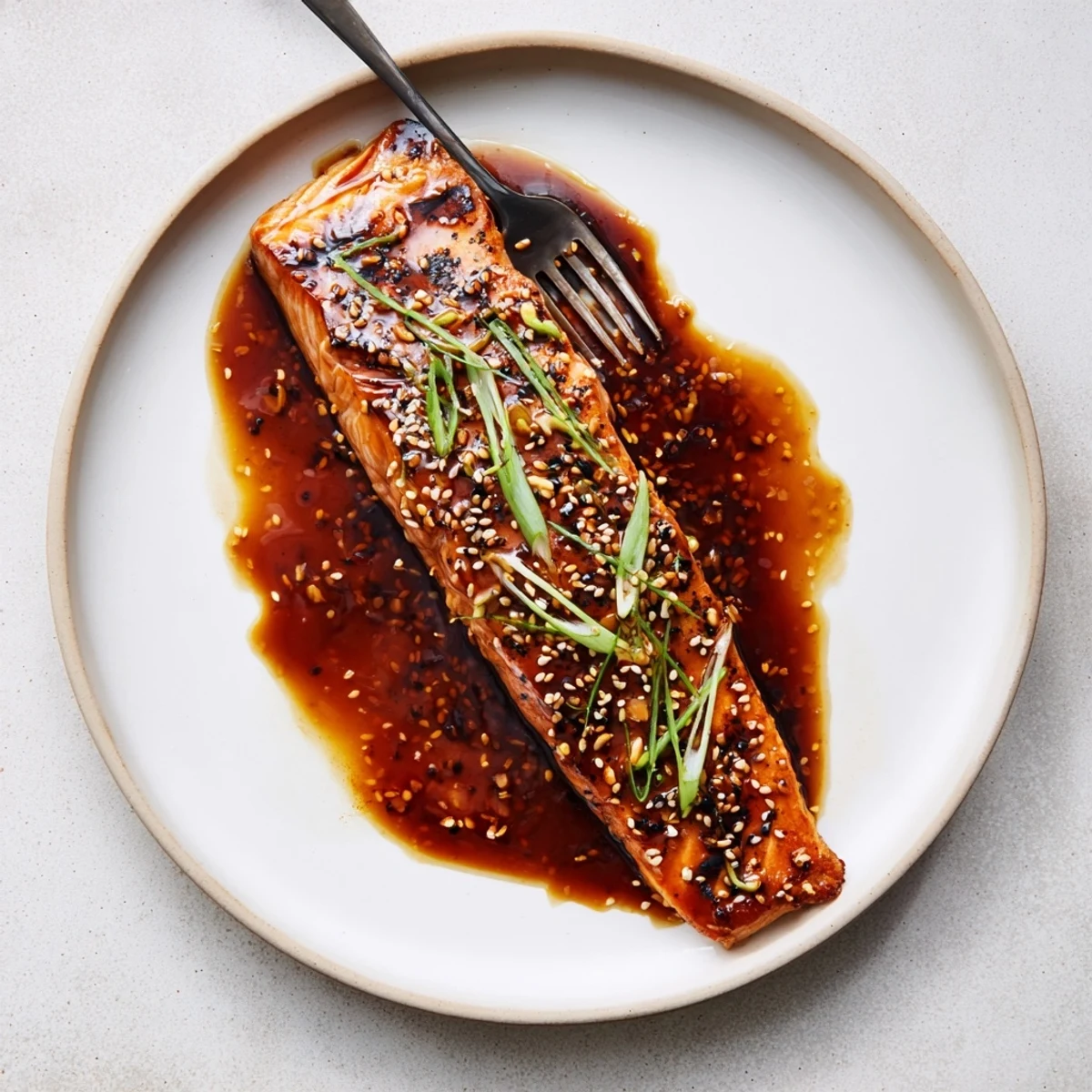
- Drizzle the remaining sauce over the cooked salmon, scatter sesame seeds and spring onions on top, and serve right away with steamed rice and vegetables.
 Pin It
 The night I served this to my mother in law, she quietly set down her chopsticks, looked at me, and said she finally understood why her son married me. We still laugh about it, and I still make it every time she visits.
What to Serve Alongside
Steamed jasmine rice is the obvious choice here, but I have also served this salmon over a bed of soba noodles or alongside roasted bok choy when I want something lighter. A simple cucumber salad with rice vinegar dressing cuts through the sweetness beautifully. If you are entertaining, a crisp Sauvignon Blanc alongside makes everything taste a little more special.
Making It Your Own
One of the things I love about this recipe is how forgiving it is. A pinch of chili flakes in the sauce transforms it into something with real warmth and fire. My friend swaps the maple syrup for honey and says she prefers the floral note it adds, and I have to admit it works beautifully. Coconut aminos work if you need a soy free version, though the sauce will be slightly less intense.
Storing and Reheating
Leftover salmon keeps well in the fridge for up to two days, though honestly it rarely lasts that long in my house. Reheat it gently in a low oven or eat it cold flaked over a salad, which might be even better than the original meal.
- Store the sauce separately if possible so the fish does not get soggy overnight.
- Freeze extra sauce in an ice cube tray for a quick flavor boost on busy nights.
- Never reheat salmon in the microwave unless you enjoy the smell lingering for three days.
 Pin It
 Some recipes become staples because they are impressive, and some because they are easy, but this one earned its spot by being both. Keep it in your back pocket and watch it become the dish everyone asks you to bring.
Recipe FAQs
- → Can I use regular soy sauce instead of tamari?
-
Regular soy sauce contains gluten, so it is not suitable for this dish. Tamari is a gluten-free alternative with a similar rich, savory flavor. You can also use coconut aminos for a soy-free option.
- → Should I remove the salmon skin before cooking?
-
It depends on your preference. Skin-on salmon holds together well during cooking and the skin becomes crispy under the broiler. Skinless fillets work equally fine and absorb the teriyaki glaze more directly on all sides.
- → Can I grill the salmon instead of baking it?
-
Absolutely. Grill the salmon over medium-high heat for about 10 to 12 minutes, brushing with teriyaki sauce as it cooks. Make sure to oil the grill grates well to prevent sticking.
- → How do I know when the salmon is fully cooked?
-
The salmon is done when it turns opaque throughout and flakes easily with a fork. The internal temperature should reach 63°C (145°F). Avoid overcooking as the fish will continue to cook slightly after removing from heat.
- → What should I serve with teriyaki salmon?
-
Steamed jasmine or sushi rice is a classic pairing that soaks up the extra sauce. Add steamed broccoli, snap peas, or a simple cucumber salad for a balanced meal. A crisp glass of Sauvignon Blanc complements the flavors beautifully.
- → How should I store leftovers?
-
Store leftover teriyaki salmon in an airtight container in the refrigerator for up to 2 days. Reheat gently in the oven at 160°C (325°F) or in a skillet over low heat to avoid drying out the fish.