
 Pin It
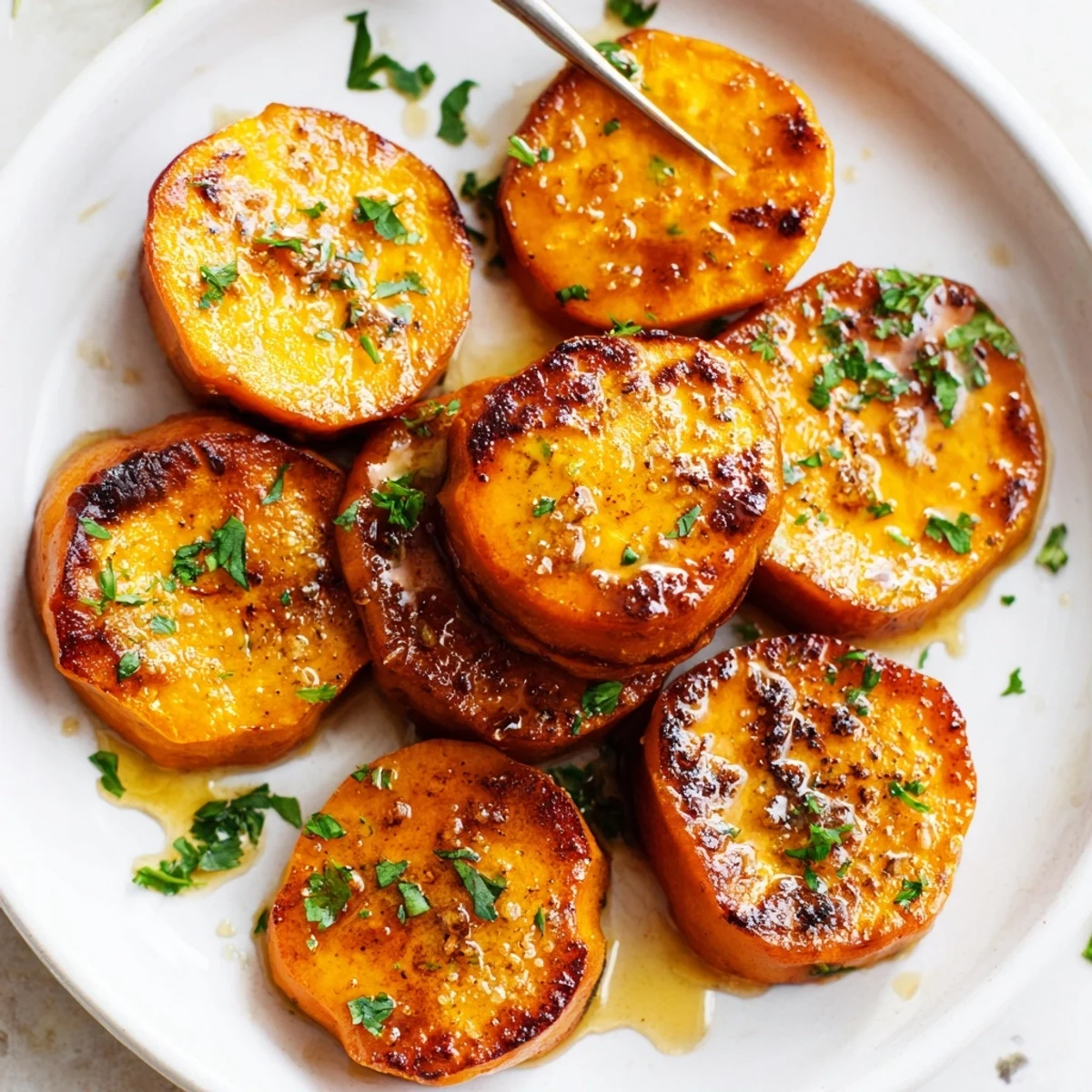
 Roast 1/2-inch sweet potato medallions at 425°F (220°C) until golden and tender, about 25–30 minutes, flipping once for even caramelization. Toss slices with olive oil, salt, pepper and optional cinnamon before roasting to enhance browning. Remove from oven and immediately drizzle honey so it melts into the hot rounds; let rest 2–3 minutes, then garnish with chopped parsley and serve warm.
For variations, add a pinch of chili flakes or smoked paprika before roasting for savory depth, or swap maple for honey for a vegan finish. Pair with roasted meats or grain bowls and adjust seasoning to taste.
Sweet potatoes have a way of turning even the busiest weekday into something quietly celebratory. The first time I roasted these honey-drizzled medallions, the cinnamon-smoke scent completely overtook my tiny kitchen before I even remembered to set the table. A friend once wandered in, drawn by the aroma, and we stood by the oven as if poised to sample dessert rather than a simple side. That touch of warmth and stickiness from the honey has made these medallions sneakily irresistible ever since.
I brought these roasted medallions to a potluck once, expecting them to be passed over for flashier mains. Instead, the tray was wiped clean while folks debated whether the secret was the cinnamon or the honey trickling into the potato crevices. Watching everyone reach for seconds made the effort worthwhile, spatula and all.
Ingredients
- Sweet potatoes: Large ones yield sturdy medallions that hold their shape and caramelize beautifully; pick firm, smooth-skinned potatoes.
- Olive oil: Generously coating the medallions helps crisp the edges; don’t skimp for best flavor.
- Sea salt: A light sprinkle is what teases out sweetness from the roasting process.
- Black pepper: Freshly ground is best for that subtle earthiness beneath the honey.
- Ground cinnamon (optional): Just a hint conjures a warming aroma, but it’s entirely up to your mood.
- Honey: Pour it while the potatoes are hot so it sinks right in—local honey brings a floral note.
- Fresh parsley (optional): Sprinkle a handful at the end for a fresh finish and visual spark.
Instructions
- Get the oven roaring:
- Set your oven to 425°F (220°C) and line a large baking sheet with parchment; you’ll hear that sharp crackle as the sheet settles in place.
- Prep the medallions:
- Peel and slice nice thick coins of sweet potato, then lay them flat in a joyful array—no crowding, they need space to crisp.
- Toss and season:
- Drizzle the medallions with olive oil, salt, pepper, and cinnamon if you like, then get in with your hands to coat them all evenly before reshuffling to a single layer.
- Roast to golden perfection:
- Slide the tray into the oven and listen for the soft sputter as the edges brown, flipping halfway through for an even caramel—fork-tender is exactly what you’re after.
- Let the honey flow:
- Once out of the oven, drizzle the honey slowly over the medallions while they’re steaming—it melts in, glossy and fragrant; give them a couple minutes to soak before moving.
- Finish and serve:
- Transfer to a serving platter, throw on chopped parsley if desired, and serve while perfectly warm.
 Pin It
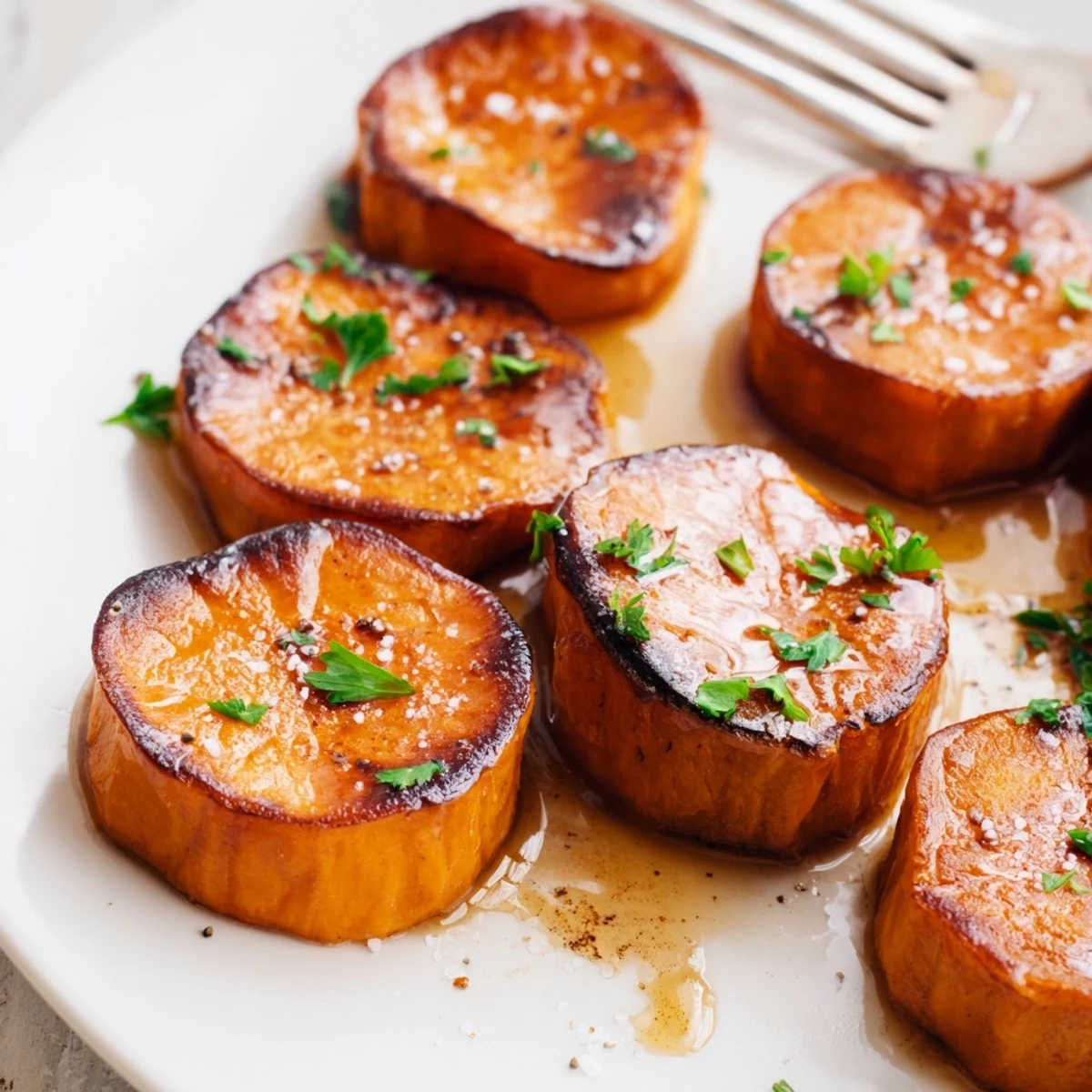
 The day my partner and I sat on the floor, sharing these medallions straight off the tray, they stopped being just a side dish. Through sticky fingers and laughter, I realized how food, especially simple food, becomes a handful of golden memories all on its own.
How to Pick the Perfect Sweet Potato
Go for firm, seemingly heavy sweet potatoes with unblemished skin; the flavor really shines when you pick them right. Oddly shaped ones are fine, but avoid any with soft spots or signs of sprouting. Longer, thicker roots are easiest to slice into consistent medallions for even roasting.
What to Serve With These Medallions
They’re my go-to with roasted chicken, but I’ve also tucked them into grain bowls with quinoa, greens, and chickpeas. The sweet-savory balance pairs miraculously with pork or makes a cozy vegetarian main when you need something that feels a little like a hug.
Simple Ways to Customize
A pinch of chili flakes or smoked paprika before roasting gives a little kick for the spice lovers at your table. Swap honey for maple syrup to make the dish vegan, or try finishing with toasted pecans for more texture and crunch.
- If you forget to flip them halfway, don’t panic—just let the top get extra brown for a little variety.
- A silicone spatula works wonders for loosening the medallions—all that caramel gets deliciously sticky.
- Leftovers are surprisingly great straight from the fridge (though they rarely last that long).
 Pin It
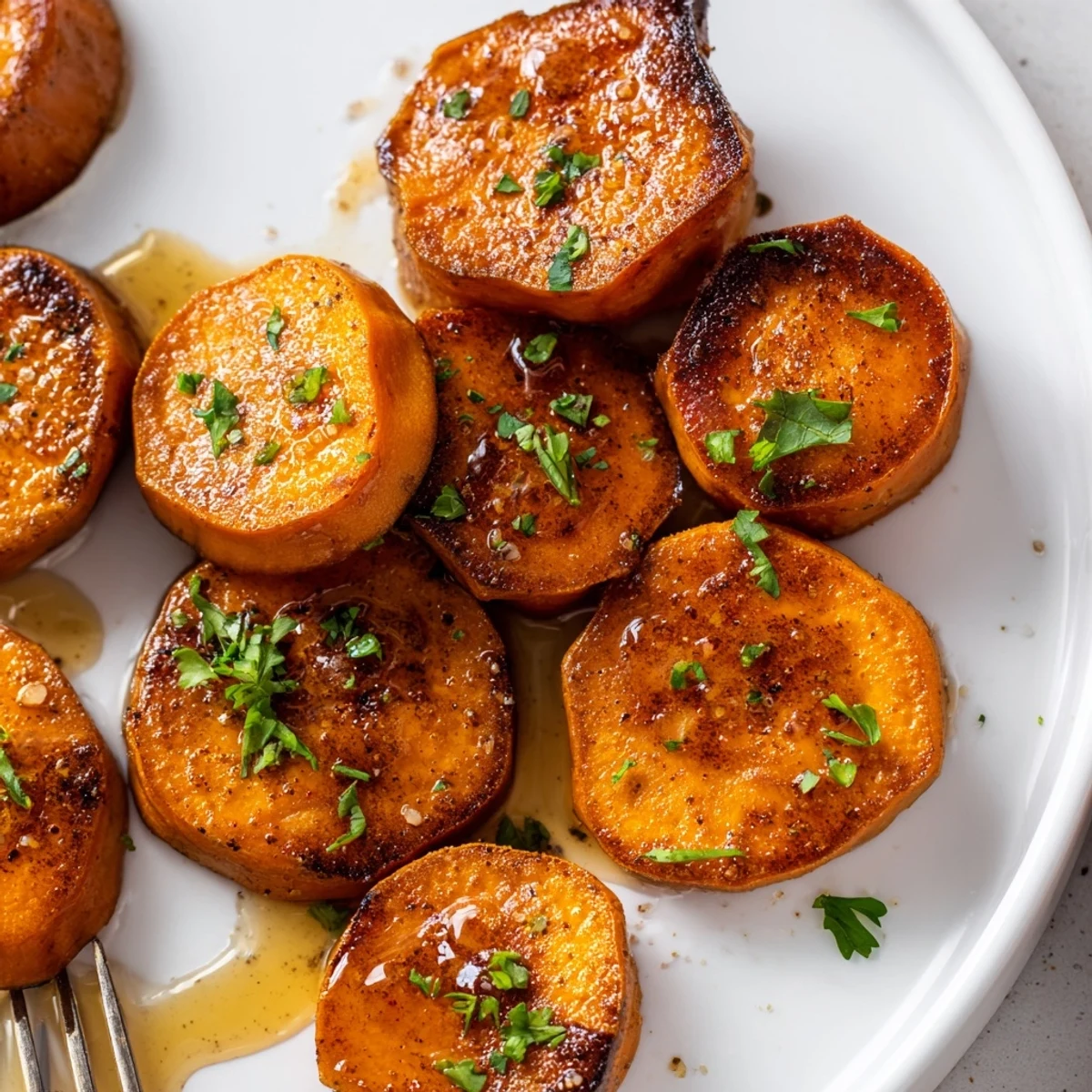
 Hope you find a quiet moment to savor the crackly, honey-drizzled sweetness before these medallions vanish from the table. Sometimes, the simplest recipes leave the best impressions.
Recipe FAQs
- → What thickness should I slice the sweet potatoes?
-
Slice sweet potatoes about 1/2 inch thick so they cook through without burning. Uniform thickness ensures even roasting and consistent caramelization.
- → What oven temperature and time produce the best caramelization?
-
425°F (220°C) for 25–30 minutes, flipping once halfway, yields golden edges and tender centers. Higher heat encourages browning; watch closely to avoid over-browning on thinner slices.
- → How do I get crisp edges and soft centers?
-
Dry the slices briefly after peeling, toss evenly with olive oil, and space them in a single layer on a lined baking sheet. Avoid overcrowding the pan so air circulates and promotes crisping.
- → Can I substitute honey for a vegan option?
-
Yes — use maple syrup in the same amount as honey for a vegan-friendly finish. Apply it immediately after roasting so it melds into the warm medallions.
- → Any seasoning tips to complement the honey?
-
Add a pinch of ground cinnamon for warmth, or a light dusting of smoked paprika or chili flakes for a savory contrast. Finish with fresh parsley for brightness.
- → How should leftovers be stored and reheated?
-
Store cooled medallions in an airtight container in the refrigerator for up to 3 days. Reheat on a baking sheet at 400°F (200°C) for 8–10 minutes to revive caramelized edges, or warm in a skillet with a little oil.