
 Pin It
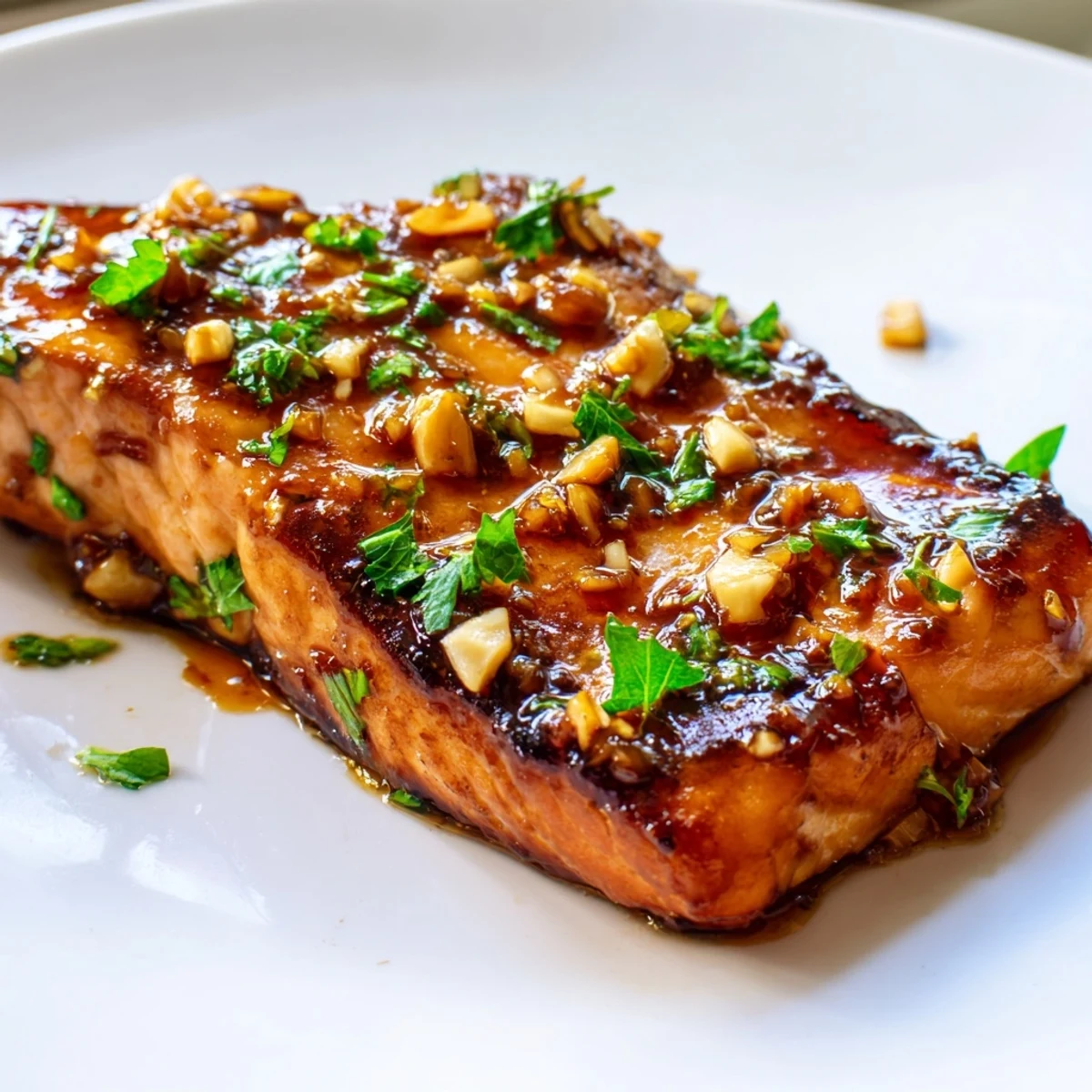
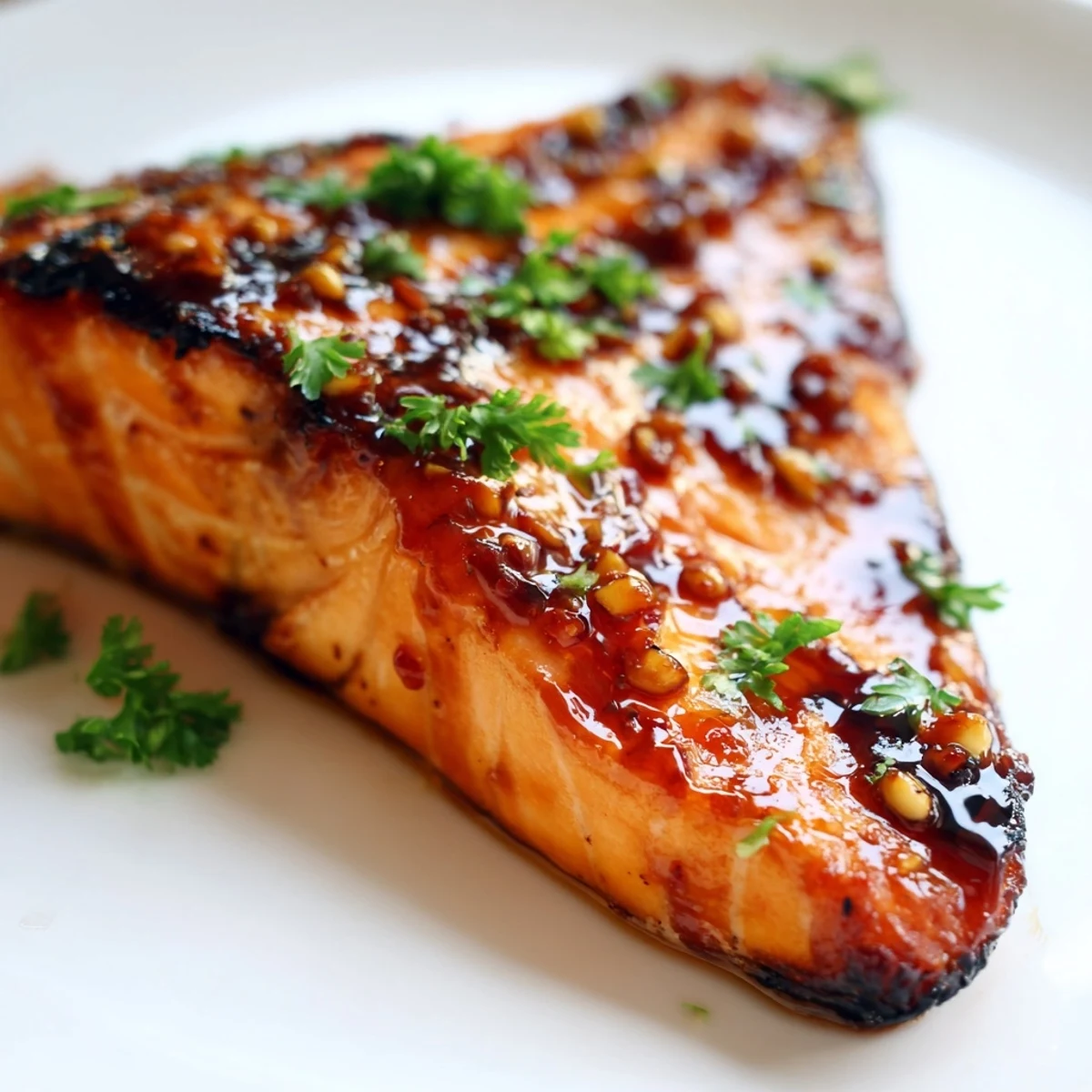
 This dish features salmon steaks brushed with a sweet and savory honey garlic glaze, broiled until caramelized and tender. The glaze combines honey, soy sauce, lemon juice, garlic, olive oil, and optional red pepper flakes for balanced flavors. Cooking involves broiling the salmon in two stages to achieve a perfect glaze and moist texture. Garnished with fresh parsley and served with lemon wedges, it pairs well with sides like steamed rice or roasted vegetables. Quick to prepare and easy to cook, it's suitable for pescatarian and dairy-free diets.
There's something almost magical about watching salmon steaks glisten under the broiler, the glaze bubbling and caramelizing into this golden crust that smells absolutely incredible. I stumbled onto this recipe one weeknight when I had exactly 25 minutes and a craving for something that felt restaurant-worthy but wasn't going to keep me in the kitchen all evening. The honey and garlic combination is deceptively simple, yet it creates this perfect balance of sweet and umami that somehow makes people think you've spent hours on it. This became my go-to dinner when I wanted to impress without the stress.
I remember cooking this for my sister who'd just gone pescatarian, and I was honestly nervous about whether she'd actually enjoy it or just be polite. The moment she took her first bite and her eyes widened, I knew I'd landed on something special. She's made it at least a dozen times since then, and she still texts me photos of her versions with different garnishes and side dishes. It became the bridge dish between her new eating style and my meat-loving family gatherings.
Ingredients
- Salmon steaks (4, about 180g each): Choose ones with similar thickness so they cook evenly, and don't worry about whether the skin is on or off—I've had success both ways depending on my mood that day.
- Salt and black pepper: Gentle seasoning before the glaze prevents the salmon from tasting flat or one-dimensional once everything comes together.
- Honey: The sweetness cuts through the richness of the salmon while the glaze caramelizes, creating those deeply flavored edges.
- Soy sauce: This brings umami depth and saltiness that balances the honey perfectly; don't skip it or use too little.
- Fresh lemon juice: Acid brightens the whole dish and keeps it from feeling heavy, which is why bottled never quite gets the same result.
- Garlic (3 cloves, minced): Freshly minced garlic wilts slightly under the broiler heat and becomes almost sweet, nothing like raw garlic's bite.
- Olive oil: Just enough to help the glaze coat evenly and prevent sticking on the foil.
- Red pepper flakes (optional): A small pinch adds warmth without overwhelming anyone at the table who prefers milder flavors.
- Fresh parsley: The garnish brightens up the plate visually and adds a fresh herbal note right at the end.
- Lemon wedges: Guests can squeeze extra brightness over their fish, which always feels like a little gift they control themselves.
Instructions
- Set up your station:
- Preheat the broiler to high and line your baking sheet with foil, then lightly oil it so the fish won't stick. This takes two minutes but saves you from the frustration of salmon that's welded to the pan.
- Prepare the salmon:
- Pat the steaks completely dry with paper towels—any moisture on the surface will steam instead of sear, and you want that caramelized crust. Sprinkle both sides generously with salt and pepper, then arrange them on the sheet with space between each one so heat circulates evenly.
- Make the glaze:
- Whisk together the honey, soy sauce, lemon juice, minced garlic, olive oil, and red pepper flakes in a small bowl until it's smooth and the honey is fully incorporated. Taste it if you like—you're looking for a balance where the sweetness doesn't overpower the savory notes.
- First coat:
- Brush half the glaze over the salmon using even, gentle strokes so every piece is covered but not drowning. Reserve the other half for later.
- First broil:
- Slide the baking sheet about 15 centimeters from the heat source and broil for exactly 6 minutes. You'll start to smell the glaze caramelizing and the salmon will begin to opaque from the edges inward.
- Second coat and finish:
- Pull out the sheet, brush the remaining glaze over the salmon, and return it to the broiler for another 6 to 8 minutes. Watch it closely near the end—you want the glaze caramelized and the salmon cooked through to 63°C internal temperature, with some charred edges.
- Plate and serve:
- Transfer each steak to a plate, scatter parsley over the top, and serve with lemon wedges so people can add brightness to taste.
 Pin It
 I've brought this dish to so many potlucks and casual dinners that it's become my reliable secret weapon, the thing I make when I want people to linger over their plates and ask for the recipe. There's something about the combination of quick preparation and impressive results that makes people feel genuinely cared for, even when you're serving them something you could practically cook with your eyes closed. It's taught me that good food doesn't need to be complicated to feel special.
Timing Your Broil
The most common mistake I see is not accounting for how different broilers perform—some run hotter than others, some position the element closer to the food. The first time you make this, I'd recommend setting a timer for 5 minutes on that first round, opening the oven, and checking the salmon's opacity and the glaze's color before committing to the full 6 minutes. Once you know your broiler's personality, you can make this meal without even thinking about it.
Glaze Variations and Swaps
The beauty of this glaze is how flexible it is—I've subbed maple syrup for honey when I wanted something slightly deeper and less floral, and I've added a teaspoon of ginger or a pinch of sesame seeds to completely change the mood. If you're cooking for someone avoiding soy, tamari or coconut aminos work as straight swaps. The ratio of sweet to savory is what matters, so as long as you keep that balance, you can make this glaze feel like a dozen different dishes.
Side Dishes and Pairings
This salmon tastes incredible with something that cuts through its richness—steamed jasmine rice catches all the glaze drippings, roasted vegetables add a textural contrast, or a crisp salad with a vinegary dressing makes the whole meal feel balanced and light. I've also served it alongside avocado toast or simple roasted potatoes when I wanted something more casual. A dry Riesling or Sauvignon Blanc pairs beautifully if you're in a wine mood.
- Roasted broccoli or asparagus absorbs the glaze and becomes deeply flavored without needing extra sauce.
- If you're serving a crowd, a lemon-herb couscous or steamed rice soaks up every bit of that precious glaze.
- A crisp arugula salad with fresh lemon dressing cuts the richness and makes the meal feel complete and nourishing.
 Pin It
 This recipe has become proof that some of the best meals come from happy accidents and weeknight desperation, not hours of planning. It's taught me that good ingredients and timing matter more than complexity, and that sometimes the simplest dishes are the ones people remember the longest.
Recipe FAQs
- → How do I ensure the salmon is cooked perfectly?
-
Broil the salmon about 6 inches from the heat source for 6 minutes, then glaze and broil another 6-8 minutes until the internal temperature reaches 63°C (145°F).
- → Can I prepare the glaze ahead of time?
-
Yes, whisk together honey, soy sauce, lemon juice, garlic, olive oil, and red pepper flakes beforehand to save time during cooking.
- → Is it possible to marinate the salmon before cooking?
-
Marinating the salmon in the glaze for up to 30 minutes enhances the flavor and tenderness of the fish.
- → What can I use instead of honey in the glaze?
-
Maple syrup works well as a substitute for honey, offering a similar sweetness and consistency.
- → What side dishes complement this salmon preparation?
-
Steamed rice, roasted vegetables, or crisp salads complement the sweet and savory glaze beautifully.