
 Pin It
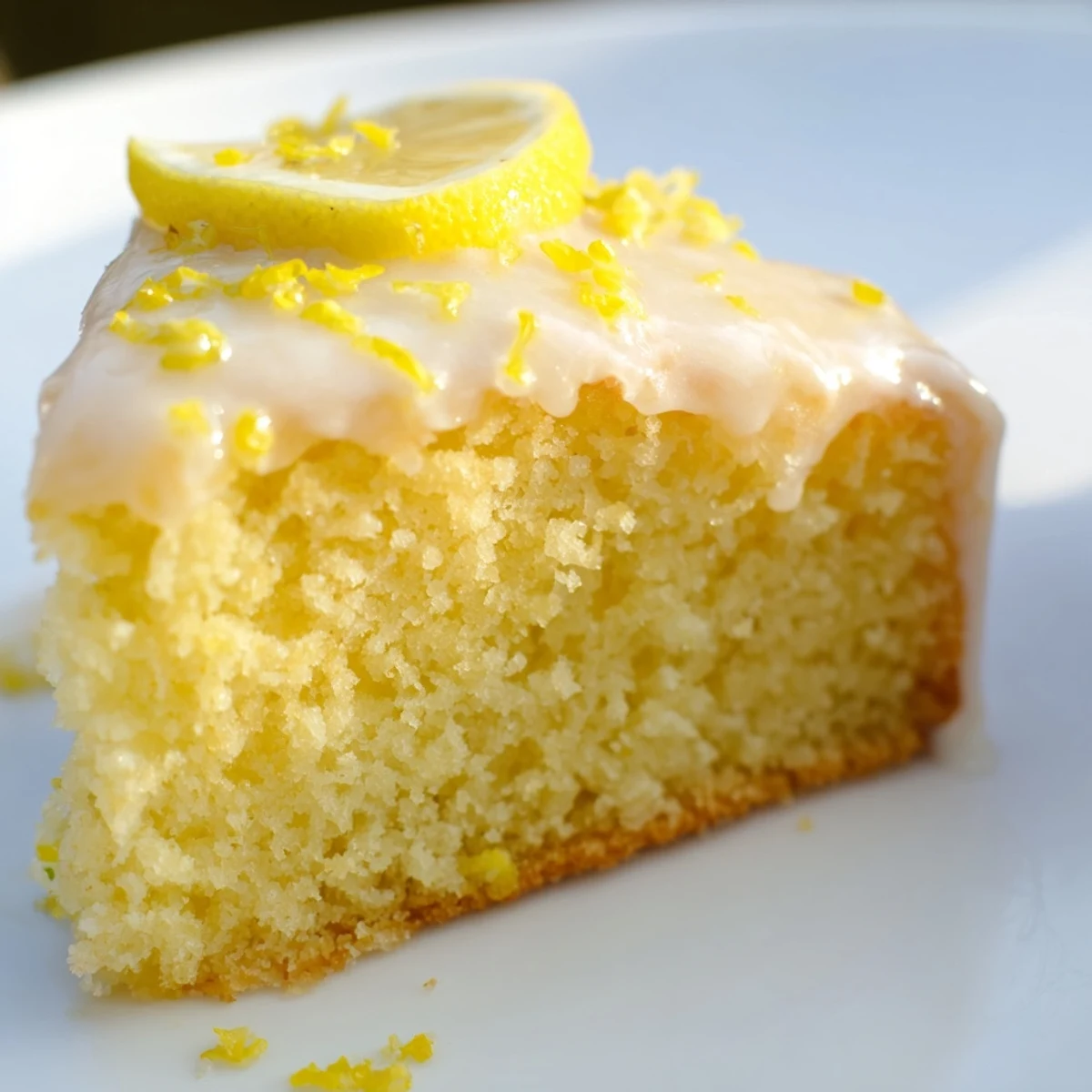
 This lemon cake slice offers a moist, delicate crumb brightened by fresh lemon zest and juice. The luscious glaze adds a zesty finish, making it a refreshing dessert or an elegant teatime treat. With simple ingredients like flour, sugar, butter, eggs, and a hint of vanilla, this light, tangy sweet is easy to prepare and bake in under an hour. Cooling the cake before drizzling the lemon glaze ensures a perfect balance of flavors and textures in every bite.
There's something about the way lemon zest catches the light that makes me reach for it first thing in the kitchen. Years ago, I'd watch my grandmother grate lemons with this practiced ease, filling the air with that sharp, bright perfume before she'd even cracked an egg. This cake came together one rainy afternoon when I was trying to recreate that exact smell, that exact feeling—and somehow, it worked. Now it's the cake I make when I need something that tastes like sunshine in a kitchen that's anything but.
I brought this to my neighbor's kitchen one morning when she was stressed about hosting tea, and watching her face light up when she tasted it reminded me why I love baking for people. She asked for the recipe on the spot, and the fact that it was so simple made it even better—no drama, just straightforward good food.
Ingredients
- All-purpose flour: A cup gives you structure without being heavy; sift it if your kitchen is humid so you're not accidentally packing it down.
- Granulated sugar: Half a cup is enough to balance the tartness of the lemon without tipping into oversweetness.
- Unsalted butter: Softened to room temperature is non-negotiable here; cold butter won't cream properly and you'll lose that tender crumb.
- Eggs: Two large ones, added one at a time, so the batter emulsifies properly and stays smooth.
- Lemon zest: Use a microplane and get the yellow part only—the white pith is bitter and will ruin your work.
- Fresh lemon juice: Bottled works in a pinch, but fresh squeezed tastes noticeably brighter.
- Milk: The secret to keeping this moist; it distributes the moisture evenly so every slice stays tender.
- Baking powder: Just a teaspoon lifts the cake gently without making it cakey or dense.
- Salt: A quarter teaspoon wakes up all the flavors and makes the lemon sing.
- Vanilla extract: Rounds out the lemon and adds warmth without being obvious.
- Powdered sugar and lemon juice: The glaze is where you can be generous with lemon; it sits on top so it won't overwhelm the cake.
Instructions
- Get organized and heat the oven:
- Preheat to 350°F and line your pan with parchment paper—it makes lifting the cake out effortless. Have everything ready before you start mixing; this batter doesn't appreciate sitting around waiting.
- Dry ingredients together:
- Whisk flour, baking powder, and salt in one bowl so the leavening distributes evenly. Set it aside and forget about it for now.
- Cream butter and sugar until fluffy:
- This usually takes about 3 minutes with a mixer; you're looking for pale color and a texture that looks like wet sand. This traps tiny air pockets that make the cake light instead of dense.
- Add eggs and flavorings:
- Beat in one egg, wait until it's fully combined, then add the second one. The mixture should look smooth and slightly thick, almost like mousse. Then add zest, lemon juice, and vanilla and mix until everything is incorporated.
- Alternate flour and milk:
- Start with flour, then milk, then flour again, ending with flour. This is where overmixing kills you—once you can't see dry flour anymore, stop moving the spatula.
- Pour and bake:
- Smooth the top with a spatula so it bakes evenly. Bake 28–32 minutes until a toothpick comes out clean; the edges will look golden and set.
- Cool properly:
- Ten minutes in the pan lets it set up and firm, then transfer to a rack so air can circulate underneath. If you skip this step, the bottom stays steamy and soft.
- Make the glaze:
- Whisk powdered sugar and lemon juice until it's smooth and pourable, like thin icing. If it's too thick, add juice drop by drop; too thin and it slides off before it sets.
- Glaze and slice:
- Drizzle while the cake is completely cooled so the glaze sets on top rather than soaking in. Slice into eight squares with a sharp, warm knife for clean edges.
 Pin It
 There's a moment after you pull this from the oven, when you turn around and the kitchen smells like pure lemon and butter, that you realize why people bake. It's not just about having something to eat; it's about filling a space with something bright and hopeful.
Why This Cake Works for Afternoon Tea
The slice size is perfect—not so big that it feels heavy after a meal, but substantial enough that you feel satisfied. The tang cuts through the richness of cream or butter, so it pairs beautifully with tea without feeling indulgent. It's the kind of cake that makes people linger at the table longer than they planned.
Making It Your Own
Some days I add a drop of lemon extract to push the flavor even further, or I'll use Meyer lemons when I can find them because they're slightly sweeter and less sharp. You could brush the cake with lemon syrup right after it comes out of the oven to make it even more moist, or dust the glaze with a tiny bit of zest for a beautiful finish. The cake is forgiving enough to bend to what you love.
Storage and Make-Ahead Tips
This cake actually tastes better the next day once the flavors have settled and mellowed together slightly. Keep it in an airtight container at room temperature for up to three days, or you can wrap it well and freeze it unfrosted for up to two weeks; thaw at room temperature and glaze just before serving. If you're making it ahead for a gathering, bake the cake the day before and glaze it the morning of so the icing looks fresh and hasn't begun to set or crack.
- An airtight container keeps moisture in and prevents the crumb from drying out.
- Don't glaze until just before serving if you're storing it unfrosted.
- Cold cake slices more neatly than room-temperature, so chill for 15 minutes before cutting if you want pristine squares.
 Pin It
 This is the kind of cake that reminds you why simple ingredients in the right proportions matter so much. Make it, share it, and watch how quickly it disappears.
Recipe FAQs
- → How do I ensure the cake remains moist?
-
Use softened butter and avoid overmixing the batter to keep the crumb tender and moist.
- → Can I substitute the all-purpose flour?
-
Yes, gluten-free flour can be used as an alternative, but texture may vary slightly.
- → What is the best way to add more lemon flavor?
-
A few drops of lemon extract in the batter enhance the citrus profile without overpowering.
- → How thick should the lemon glaze be?
-
The glaze should be smooth and pourable to drizzle easily over the cooled cake for a glossy finish.
- → How long can I store the cake slices?
-
Keep them in an airtight container at room temperature for up to 3 days to maintain freshness.