
 Pin It
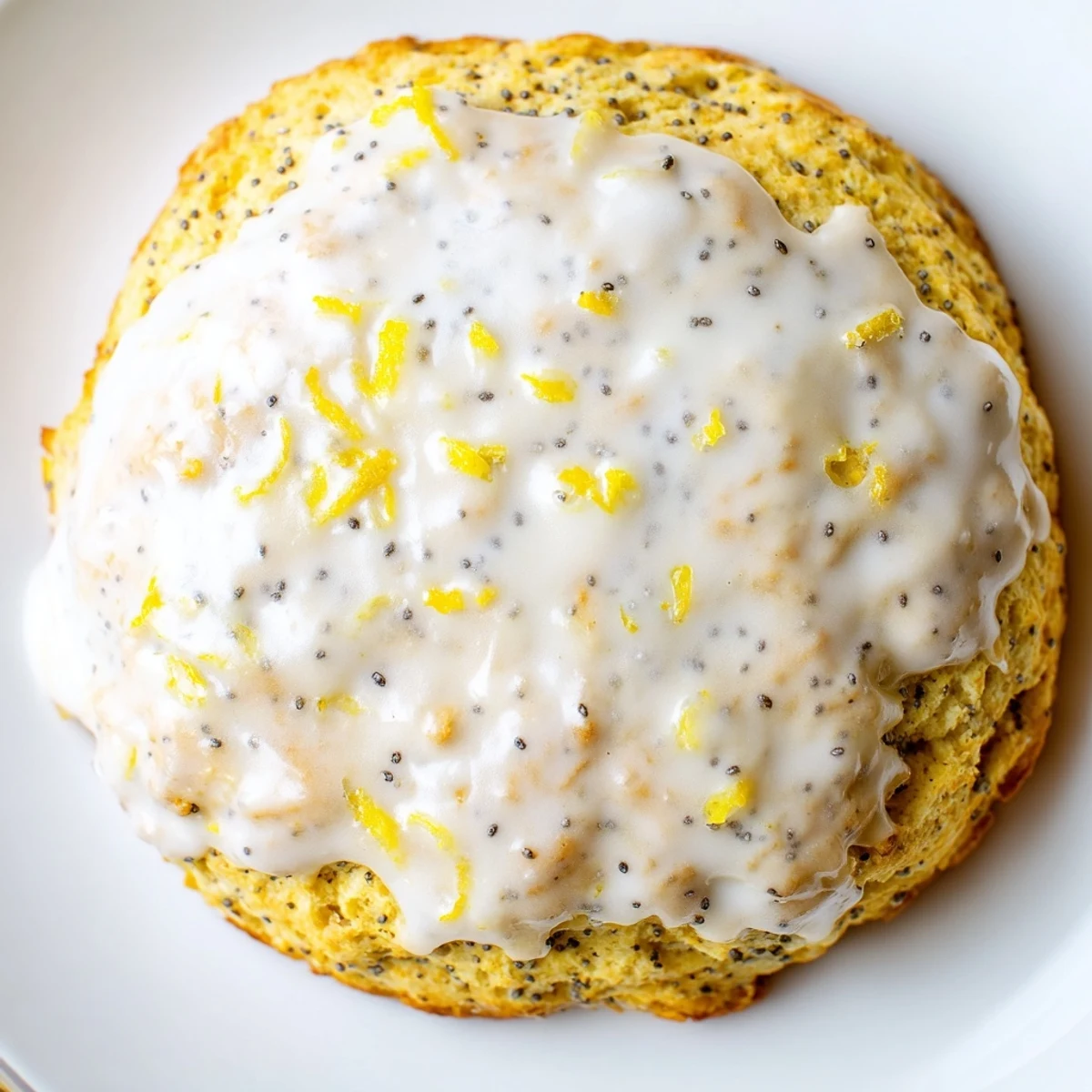
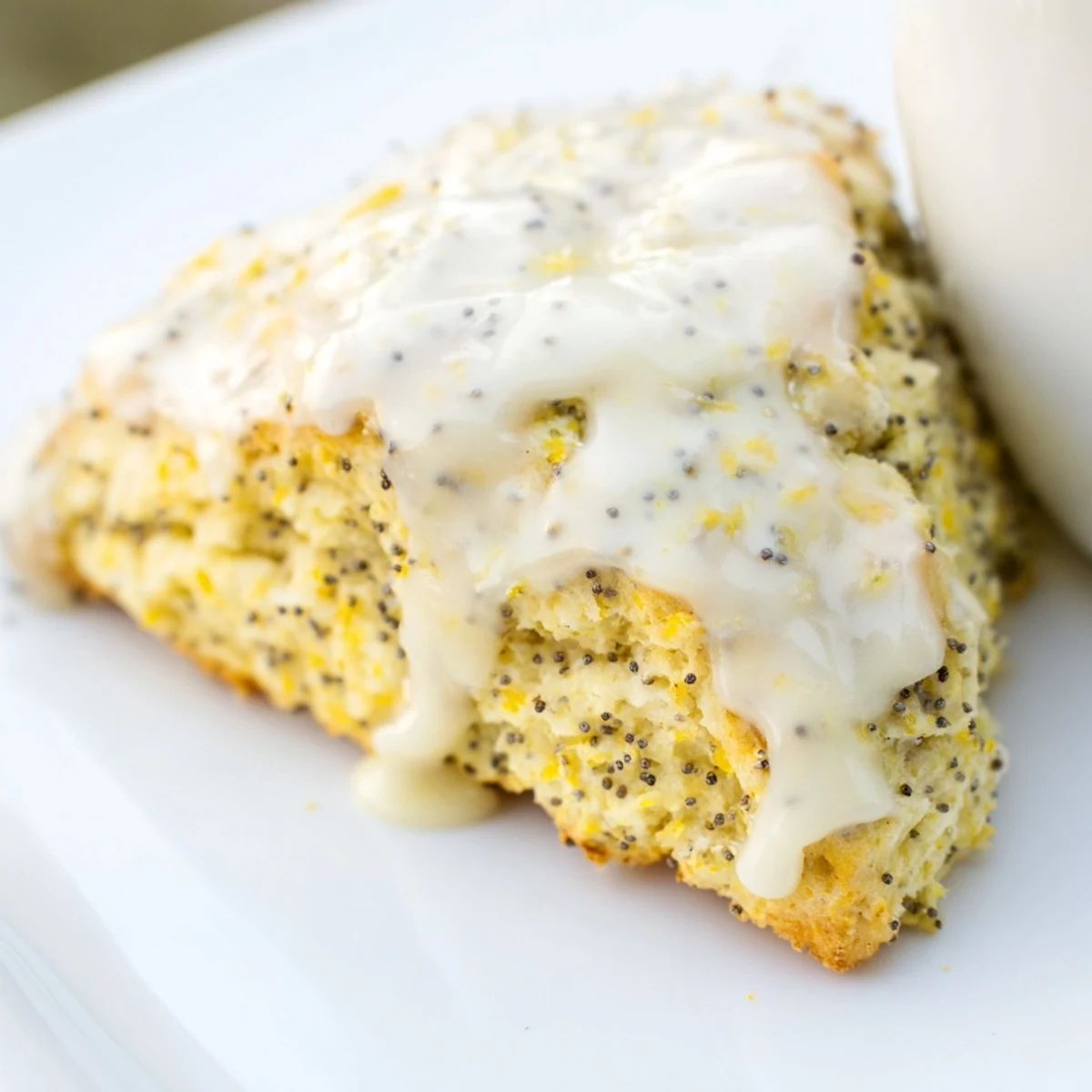
 These scones combine zesty lemon zest and juice with crunchy poppy seeds in a tender, buttery base. The dough is gently mixed and shaped into wedges before baking to golden perfection. A sweet citrus glaze made from powdered sugar and fresh lemon juice is drizzled atop the cooled scones, adding a bright finishing touch. Perfect for a breakfast treat or an elegant afternoon tea, these British-inspired scones balance fresh flavors and rich, flaky texture.
There's something about the smell of lemon zest hitting hot butter that just stops me mid-morning. I discovered these scones purely by accident—I'd overestimated how much cream I had for a different project and needed to use it before it went bad, so I started tinkering with a basic scone formula. What emerged was this tender, almost cloud-like thing with bright pops of poppy seed and that unmistakable citrus zing that makes you feel like breakfast is actually elegant.
I made these for my neighbor one Saturday morning after she'd mentioned in passing that she missed proper British tea time. Watching her bite into one with her eyes closed—that quiet moment of pure satisfaction—made me understand why people bake. It wasn't about impressing anyone; it was about creating something warm to share that said, 'I was thinking of you.'
Ingredients
- All-purpose flour (2 cups): This is your foundation, and cold hands and a light touch are what make these scones tender instead of tough—resist the urge to knead.
- Granulated sugar (1/3 cup): Just enough sweetness to balance the tartness of the lemon without making these taste like dessert.
- Poppy seeds (1 tbsp): They add a subtle nuttiness and visual interest; don't skip them even if they seem like an odd choice.
- Lemon zest (1 tbsp): Zest your lemons before juicing them—it's easier and gives you that bright, fragrant oil from the peel.
- Baking powder (2 tsp) and baking soda (1/4 tsp): Together they create lift and a tender crumb; don't reduce either one.
- Fine sea salt (1/2 tsp): This amplifies all the other flavors so they don't get lost.
- Unsalted butter (1/2 cup, cold and cubed): This is non-negotiable—warm butter makes greasy scones with a tough texture, so cube it and keep it in the fridge until you're ready to use it.
- Heavy cream (2/3 cup): The fat makes these impossibly tender and rich; don't substitute with milk.
- Egg (1 large): It binds everything together and gives you that slight golden wash when you brush the tops.
- Freshly squeezed lemon juice (2 tbsp, plus more for glaze): Bottled juice tastes flat and metallic by comparison—take the two minutes to squeeze fresh.
- Vanilla extract (1 tsp): A subtle backdrop that makes the lemon feel even more vibrant.
- Powdered sugar (3/4 cup, sifted): Sifting removes lumps so your glaze is smooth; it genuinely matters.
Instructions
- Gather and preheat:
- Turn your oven to 400°F and get a baking sheet lined with parchment paper ready. Having everything prepared before you start mixing keeps you from getting flustered.
- Combine the dry base:
- In a large bowl, whisk together flour, sugar, poppy seeds, lemon zest, baking powder, baking soda, and salt. Take your time here so the baking soda and powder are evenly distributed; it prevents dense pockets in your finished scones.
- Cut in the cold butter:
- Add your cold, cubed butter to the dry mixture and use a pastry cutter, two forks, or your fingertips to work it in until the texture resembles coarse breadcrumbs. This step is where scone tenderness lives—keep everything cold and don't overwork it.
- Mix the wet ingredients:
- In a separate bowl, whisk together cream, egg, lemon juice, and vanilla extract until smooth. The tartness of the lemon juice will slightly thicken the cream, which is exactly what you want.
- Bring it together gently:
- Pour the wet mixture into your dry ingredients and stir with a light hand, just until there are no dry streaks left. Stop immediately—overmixing develops gluten and turns these into hockey pucks.
- Shape and cut:
- Turn the shaggy dough onto a lightly floured surface and pat it gently into a 1-inch thick round, about 6 inches across. Using a bench scraper or knife, cut it into 8 wedges like a pizza.
- Brush and bake:
- Place the wedges on your prepared sheet with a little space between them and brush the tops with a thin coat of cream. Bake for 18 to 20 minutes until they're golden brown on top and feel set when you gently press the side of one.
- Cool and glaze:
- Let them cool on a wire rack for a few minutes while you whisk powdered sugar with enough fresh lemon juice to create a thick but pourable glaze. Drizzle it over the cooled scones and let it set before serving.
 Pin It
 There was a morning about two years in when I finally made these without second-guessing myself, and they came out absolutely perfect. No burnt edges, no dense centers, just golden, flaky, buttery scones that tasted like someone who actually knew what they were doing had made them. That's when I realized the recipe had stopped being something I was following and had become something I understood in my hands.
The Lemon-Poppy Seed Marriage
Lemon and poppy seed isn't a combination I grew up eating, but the moment I tasted them together in a scone, it felt inevitable—like they'd always been meant to meet on a buttery, flaky canvas. The poppy seeds add a whisper of earthiness and a soft crunch that plays beautifully against the bright tartness of the lemon. It's the kind of pairing that feels British and timeless, even if you've never made a scone in your life before today.
Serving Suggestions and Pairings
These scones are undeniably good on their own, but the right accompaniment makes them transcendent. Clotted cream is the traditional choice and absolutely worth seeking out—its rich, almost grainy texture and subtle tang complement the brightness of the lemon perfectly. Lemon curd adds another layer of intensity if you want to double down on citrus, or you could go savory and simple with just a tiny smear of salted butter.
Storage and Make-Ahead Tips
These are best eaten the day you make them while the crumb is still at peak fluffiness, but they keep well for up to two days in an airtight container. You can also make the dough up to 24 hours ahead—just wrap it tightly and keep it in the fridge, then shape, brush, and bake when you're ready. If you want to get ambitious, freeze the shaped scones on a tray before baking and bake them straight from frozen, adding just a minute or two to the baking time.
- Store cooled scones in an airtight container on the counter for one day or in the fridge for up to two days.
- You can freeze unbaked scones for up to three months; bake from frozen without thawing.
- Reheat leftover scones in a 300°F oven for about five minutes to restore some of their warmth and texture.
 Pin It
 There's a quiet joy in pulling a batch of golden scones from the oven, knowing you made something that tastes like care. I hope you find that same small happiness when you make these.
Recipe FAQs
- → What gives the scones their citrus flavor?
-
The lemon zest and freshly squeezed lemon juice provide a bright, zesty citrus flavor throughout the scones and glaze.
- → How do poppy seeds affect the texture?
-
Poppy seeds add a lightly crunchy texture and subtle nuttiness that complements the tender crumb of the scones.
- → What is the best way to mix the dough?
-
Work cold butter into the dry ingredients until coarse crumbs form, then gently combine with wet ingredients, avoiding overmixing for tender scones.
- → Can I substitute any ingredients to change the flavor?
-
For richer flavor, replace part of the cream with crème fraîche or add white chocolate chips for a sweeter variation.
- → What are some serving suggestions?
-
Serve these scones with clotted cream or lemon curd, and pair them with Earl Grey or green tea for an elegant treat.