
 Pin It
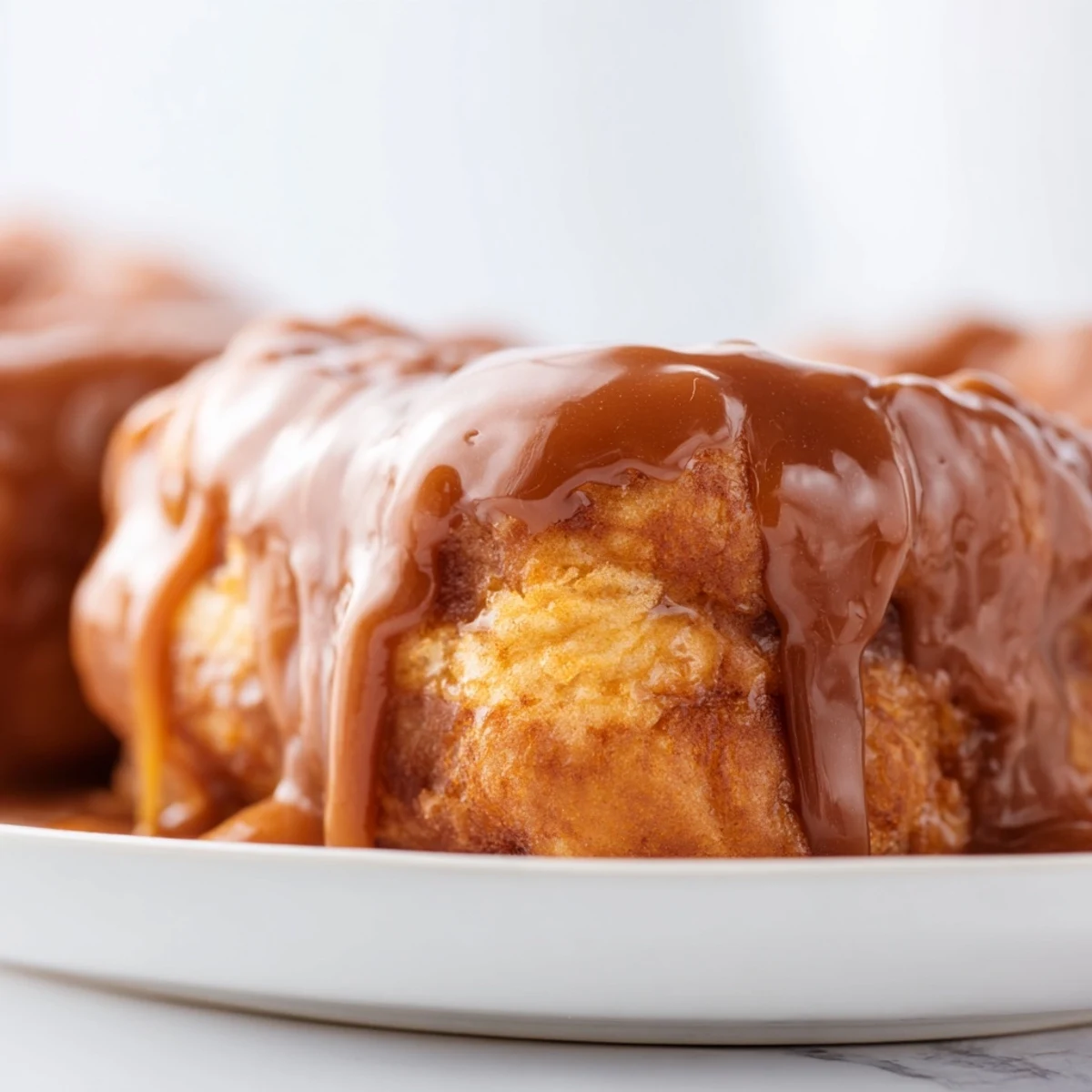
 These maple donut bars offer the classic taste of yeast-raised donuts with the irresistible sweetness of real maple syrup. The soft, pillowy texture comes from the carefully prepared dough that rises twice before frying to golden perfection. Each bar gets a generous coating of maple glaze that sets into a sweet, shiny finish. These treats bridge the gap between breakfast and dessert, making them ideal for weekend brunches or afternoon treats.
The process involves creating a soft, elastic dough that requires proper rising time for that characteristic light texture. Frying at the right temperature ensures the exterior becomes golden and crispy while keeping the interior tender. The maple glaze adds the perfect finishing touch, enhancing the natural sweetness without overpowering the delicate donut flavor.
The smell of frying donuts always takes me back to my grandmother's kitchen on Sunday mornings. She would wake up before dawn, her kitchen already humming with activity by the time I stumbled downstairs. These maple donut bars are my way of recreating that magic, with the cozy warmth of real maple syrup instead of the powdered sugar she preferred. There's something about waiting for dough to rise that forces you to slow down and appreciate the process.
Last winter my neighbor texted at 8 AM saying she smelled something incredible. I had just pulled a fresh batch of these from the fryer, windows fogged up against the cold. She came over with her coffee mug and we ate warm bars right off the cooling rack, laughing about how we were basically having dessert for breakfast. Sometimes you need a little kitchen magic to turn a gray morning into something golden.
Ingredients
- All-purpose flour: The protein structure here is crucial for that pillowy bounce we want in each bite
- Active dry yeast: Don't skip the foamy check step—dead yeast will give you dense, sad bars
- Warm milk and water: Temperature matters, too hot kills yeast, too cold leaves it sleepy
- Unsalted butter, melted: Adds richness without competing with the maple's delicate sweetness
- Whole eggs: Room temperature eggs incorporate better and help the dough hold together during frying
- Vegetable oil: Neutral flavor lets the maple shine while creating that crisp exterior
- Powdered sugar: Sifting first prevents those frustrating lumps in your glaze
- Pure maple syrup: Real stuff only here—imitation maple can't compete with that deep caramel undertone
- Whole milk in glaze: Creates the perfect drape consistency for dipping
- Vanilla extract: Rounds out the maple flavor beautifully
Instructions
- Wake up the yeast:
- Combine warm milk, water, and yeast in your bowl, then walk away for 5 minutes. You should come back to a bubbly, fragrant foam that tells you the yeast is alive and ready to work.
- Build the dough base:
- Add sugar, melted butter, eggs, and salt to the yeast mixture. Mix until everything is incorporated, creating a creamy base for the flour to join.
- Bring it together:
- Gradually add flour while mixing, then let the dough hook knead for 5–7 minutes until the dough is smooth, elastic, and slightly tacky but not sticky.
- Let it rise:
- Place your dough in a greased bowl, cover it with a warm towel, and find a cozy spot for it to double in size over the next 1–1.5 hours.
- Shape the bars:
- Punch down the risen dough gently and roll it out to 1/2-inch thickness on a floured surface. Cut into 4x1.5-inch bars with a sharp knife or dough cutter.
- Second rise:
- Arrange bars on parchment-lined baking sheets, cover loosely, and let them puff up for 30–40 minutes until they look pillow-y and slightly jiggly.
- Heat the oil:
- Get your oil to 350°F in a heavy pot—the temperature needs to be steady for even cooking and that perfect golden exterior.
- Fry to golden:
- Cook bars in batches for 1–2 minutes per side until they're beautifully browned, then drain on paper towels while you work on the glaze.
- Make the maple magic:
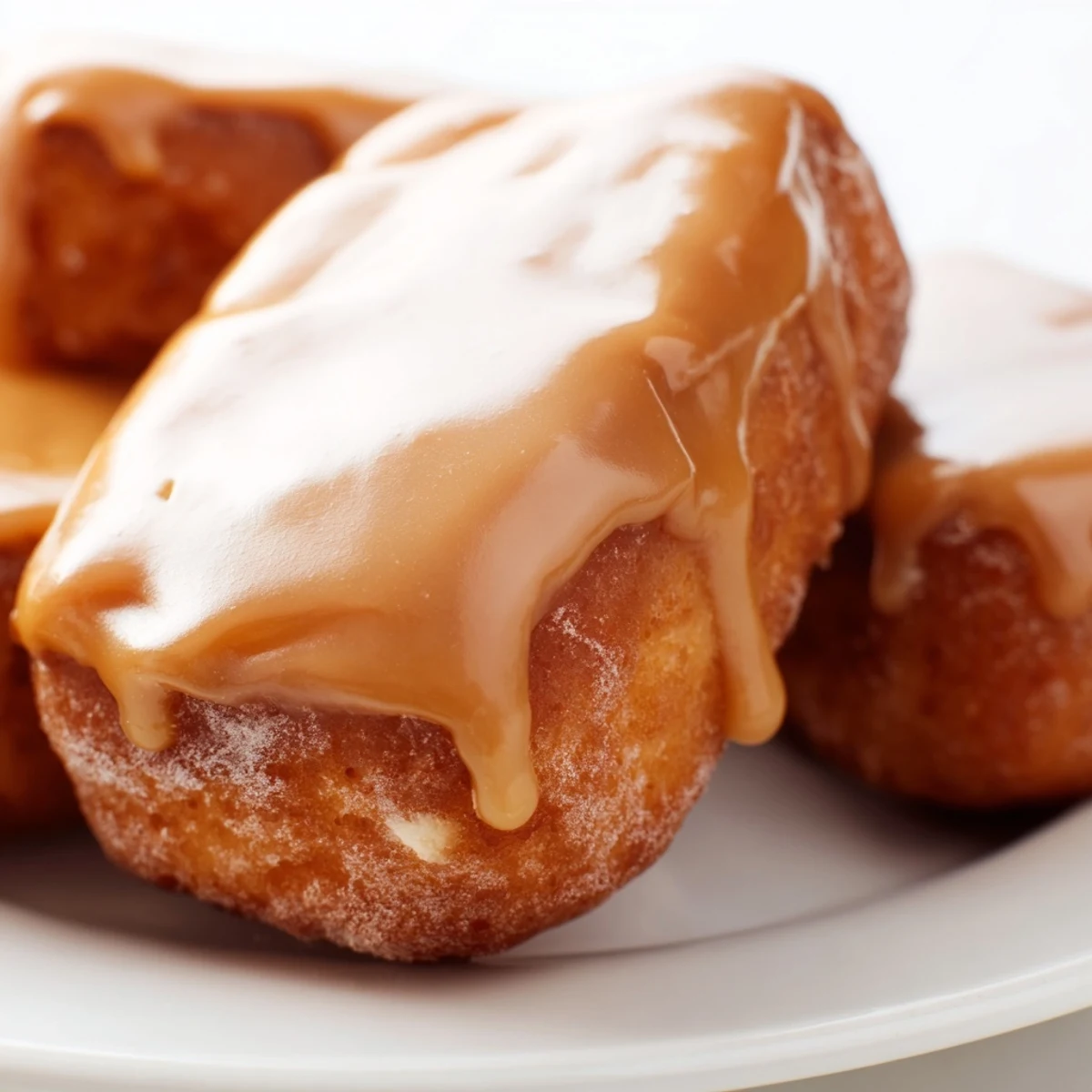
- Whisk powdered sugar, maple syrup, milk, vanilla, and salt until completely smooth. The glaze should coat a spoon and drip off slowly.
- Glaze and enjoy:
- Dip the tops of slightly warm bars into the glaze, letting excess drip off, then set them on a wire rack until the glaze firms up.
 Pin It
 My daughter requested these for her school bake sale and I ended up making three batches because everyone who came to 'help' kept eating them. The maple glaze was everywhere—on counters, on faces, on the dog's nose. Sometimes the messiest recipes become the best memories.
Making Ahead
You can prepare the dough through the first rise, then refrigerate it overnight. Let it come to room temperature for about 30 minutes before rolling and cutting. The glaze keeps well in the fridge for up to a week—just bring it to room temperature and whisk before using.
Frying Tips
A Dutch oven or heavy pot holds heat better than thin pans, preventing temperature drops when you add cold dough. Don't overcrowd the pot—frying in batches might take longer but ensures each bar cooks evenly. If your glaze starts getting too thick, add milk one teaspoon at a time until it flows smoothly again.
Serving Ideas
These bars shine at brunch alongside scrambled eggs and fresh fruit. They're also perfect with a steaming mug of coffee or cold milk on a lazy weekend afternoon.
- Try adding chopped pecans to the wet glaze for extra texture
- A pinch of cinnamon in the dough adds warmth that complements the maple
- Leftovers can be gently warmed in the microwave for 10 seconds to refresh
 Pin It
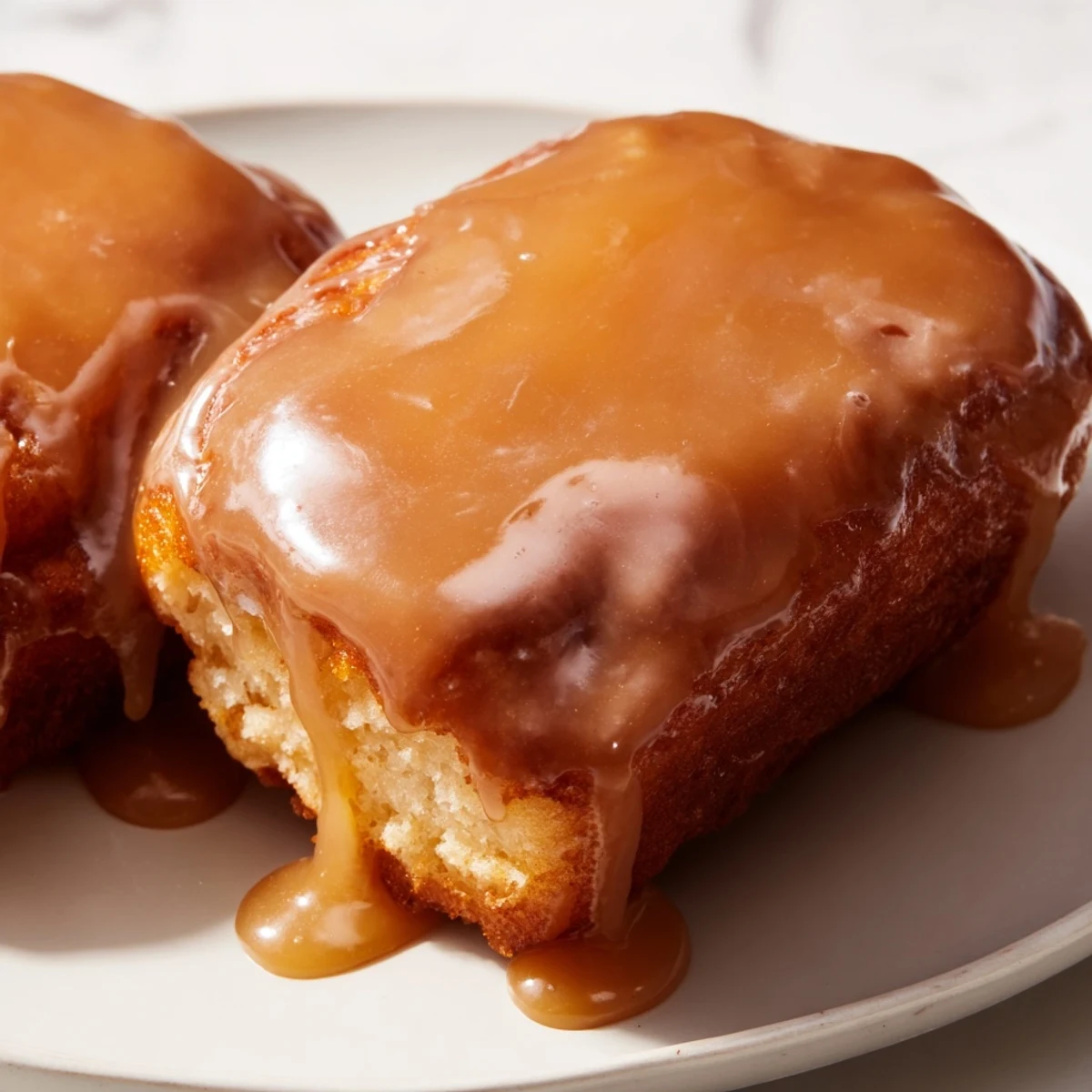
 There's nothing quite like biting into a warm maple donut bar while steam still rises from the glaze. Make a batch for someone you love, or just for yourself—you deserve it.
Recipe FAQs
- → Can I bake these instead of frying?
-
Yes, you can bake the bars at 375°F (190°C) for 12-15 minutes until golden, then apply the maple glaze. This creates a slightly different texture - more cake-like rather than the traditional crispy exterior of fried donuts, but still delicious.
- → How do I achieve the best rise in the dough?
-
Make sure your milk and water are properly warmed (not too hot to kill the yeast), and let the dough rise in a warm, draft-free area. The first rise should double the dough size, and the second rise should make the bars puffy before frying.
- → What's the best oil for frying these donut bars?
-
Neutral-flavored oils like vegetable, canola, or peanut oil work best. Avoid olive oil as it has a strong flavor that might interfere with the maple taste. Keep the oil at a consistent 350°F for optimal frying results.
- → How can I make the maple flavor stronger?
-
Add 1/2 teaspoon of maple extract to the glaze mixture. This concentrated flavor will enhance the maple notes without affecting the sweetness balance. You can also use darker, more robust maple syrup for deeper flavor.
- → Why do the bars need to rise twice?
-
The first rise develops the yeast flavor and creates air pockets for lightness. The second rise after cutting helps the bars puff up before frying, ensuring they cook evenly and achieve that characteristic soft, airy interior.