
 Pin It
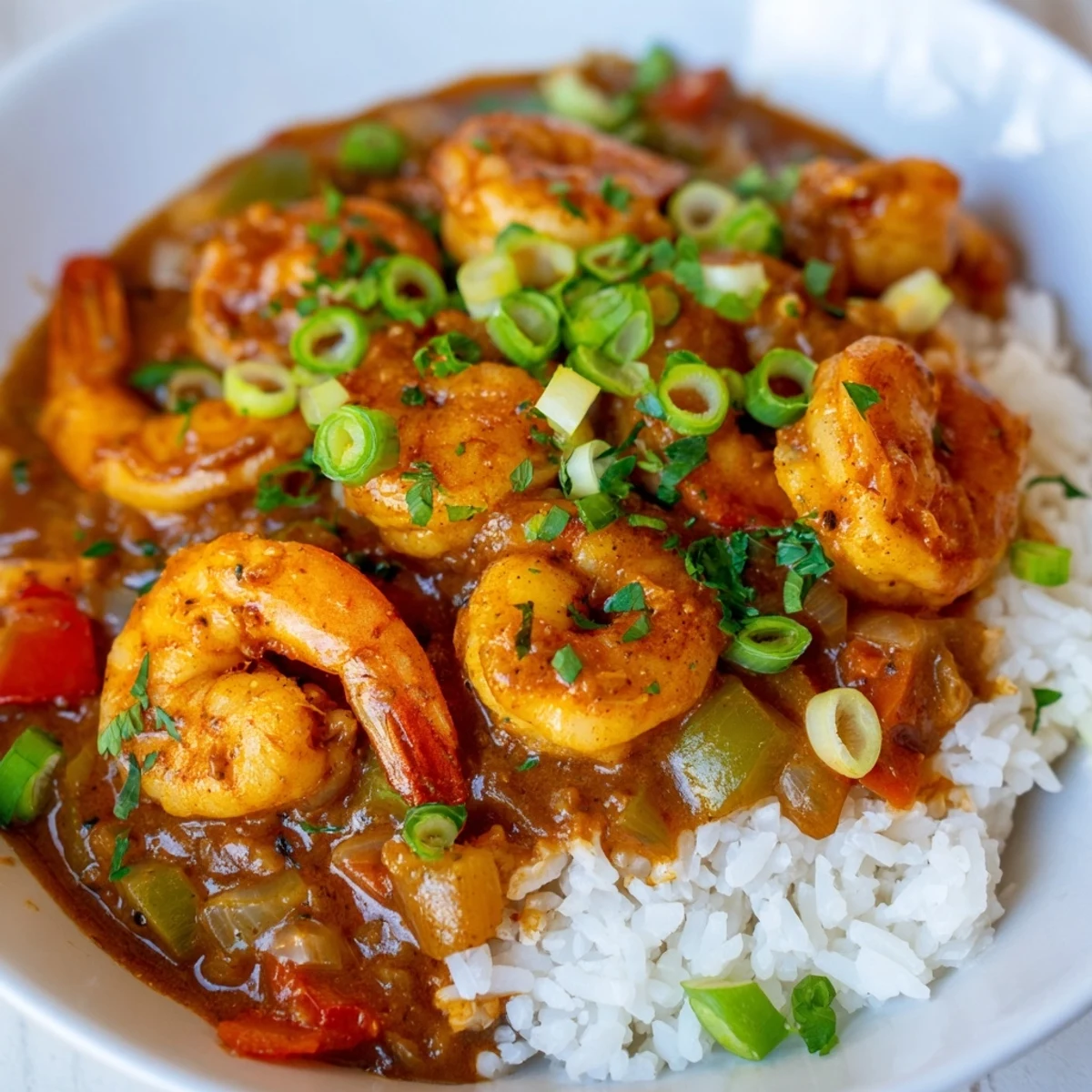
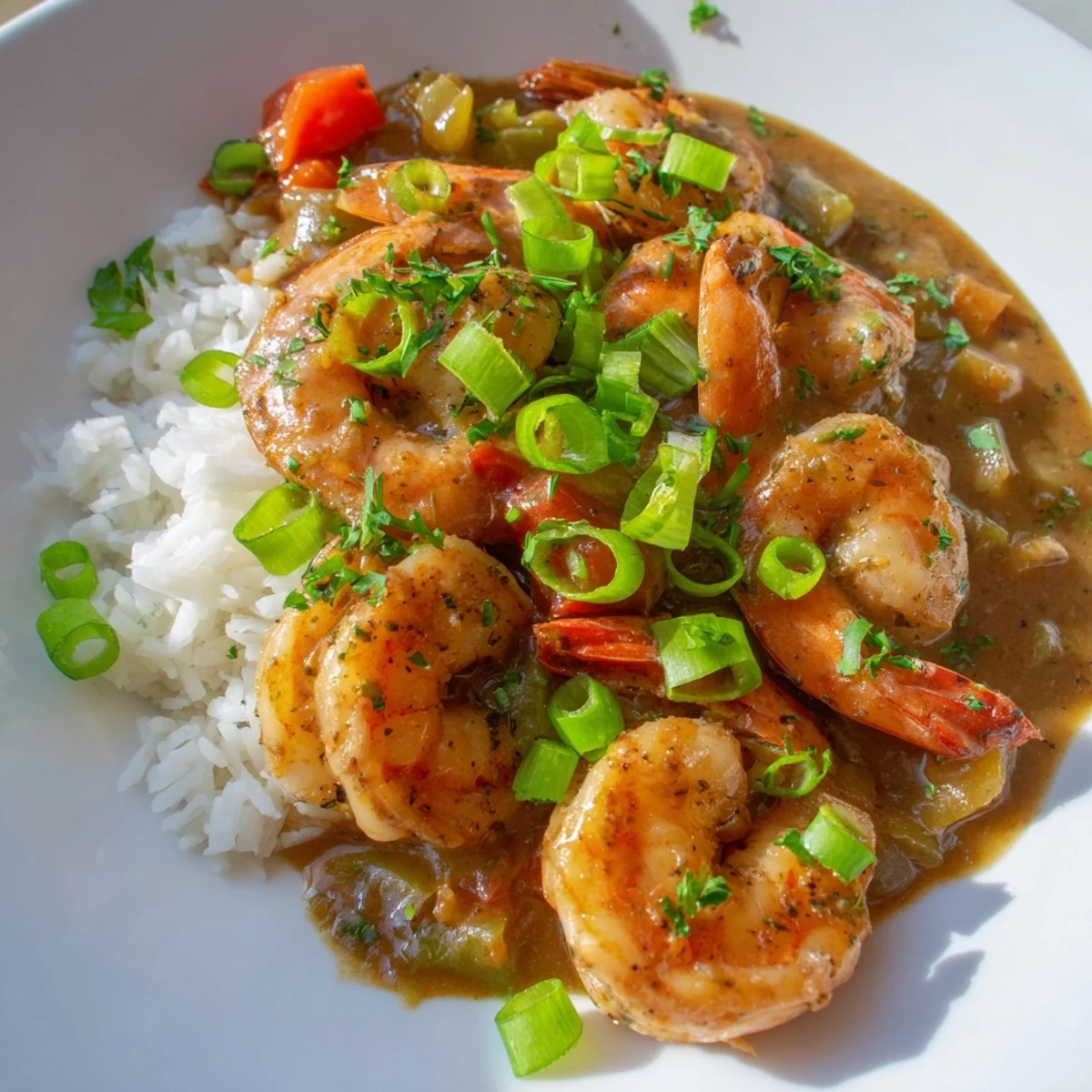
 This dish features large shrimp simmered gently in a robust, flavorful roux that blends buttery richness with Cajun spices and the classic creole trinity of onion, bell pepper, and celery. The sauce, textured with diced tomatoes and seasoned with paprika, thyme, and cayenne, offers a warm, spicy balance perfect for festive or cozy meals. Served over steamed white rice and garnished with fresh herbs and green onions, it provides a satisfying, authentic Louisiana dining experience.
The roux was burnt the first three times I tried making étouffée, each attempt ending with me leaning over the stove, squinting at flour that had gone from promising amber to something resembling used motor oil. My neighbor Mrs. Beauchamp finally came over one Sunday with a bag of shrimp and showed me how patience matters more than technique when it comes to Louisiana cooking. Now this dish is what I make when I want my small apartment to feel like a French Quarter kitchen, windows steamed up and jazz playing somewhere in the next room.
I served this at a Fat Tuesday party last year, and my friend Marco who swore he hated shellfish went back for thirds. He kept dipping extra bread in the sauce and saying he couldnt believe it was just flour and butter and vegetables creating something this extraordinary.
Ingredients
- Large raw shrimp: Fresh shrimp make all the difference here, and I learned to devein them while they are still slightly frozen for easier handling
- Unsalted butter: Butter adds a richness you cant get from oil alone, and controlling the salt yourself lets you adjust the final seasoning perfectly
- All-purpose flour: This combines with the butter to create the roux foundation, the element that defines étouffée and gives it that silky body
- The holy trinity: Onion, bell pepper, and celery chopped finely cook down into the sweet vegetable base that balances the dark roux
- Seafood stock: Homemade stock from shrimp shells adds incredible depth, but store-bought seafood or chicken stock works beautifully in a pinch
- Cajun seasoning: This layers on that Louisiana kick, and I always taste as I go since blends vary wildly in heat level
- Diced tomatoes: Drained well, they add just enough brightness and acidity to cut through the rich roux without making the sauce thin
- Paprika, thyme, cayenne, salt, and black pepper: These spices build the classic flavor profile, with cayenne letting you control exactly how much heat you want
Instructions
- Season the shrimp:
- Pat the shrimp completely dry with paper towels, then toss them gently with the Cajun seasoning until they are evenly coated and set them aside while you start the base
- Make the roux:
- Melt the butter in a large skillet or Dutch oven over medium heat, then whisk in the flour and cook, stirring constantly without stopping, for 5 to 7 minutes until it turns a medium brown color and smells nutty and toasted
- Cook the vegetables:
- Add the onion, bell pepper, and celery to the roux, stirring often until they soften and become fragrant, about 5 minutes, then stir in the garlic for just 1 minute until you can smell it
- Build the sauce:
- Stir in the drained tomatoes, paprika, thyme, cayenne, salt, black pepper, and the bay leaf, then gradually whisk in the stock until everything is smooth and combined
- Simmer the base:
- Bring the mixture to a gentle simmer and cook for 15 minutes, stirring occasionally to prevent sticking, as the sauce thickens and the flavors meld together
- Add the shrimp:
- Gently stir in the seasoned shrimp and simmer for 5 to 7 minutes, just until they turn pink and opaque throughout, being careful not to overcook them
- Finish and serve:
- Taste the étouffée and adjust the seasoning if needed, remove the bay leaf, then serve immediately over hot cooked rice with green onions, parsley, and lemon wedges on the side
 Pin It
 This recipe became my go-to comfort food after a particularly hard winter when I needed something that felt like sunshine on a plate. Now whenever I make it, I think of how food can transport you thousands of miles without ever leaving your kitchen.
Making Your Roux Foolproof
Keep your heat medium or even medium-low, and remember that darker roux means less thickening power but more flavor. I keep a separate pan nearby to transfer the roux if it starts cooking too fast, which gives me control back without ruining the base.
Stock Secrets That Transform the Dish
Saving shrimp shells in the freezer means you can make quick stock by simmering them in water for 20 minutes with a bay leaf and some onion. Even a half cup of this intense liquid stirred into regular stock adds that restaurant-quality depth.
Timing Your Perfect Étouffée
Everything moves quickly once the roux is done, so I chop all my vegetables and measure my spices before I even turn on the stove. This prep work means you can focus entirely on the roux instead of scrambling to measure thyme while your flour threatens to burn.
- Have your stock measured and ready before you start the roux
- Warm your stock slightly so it incorporates smoothly into the hot roux
- Taste every step, because you can always add heat but cannot take it away
 Pin It
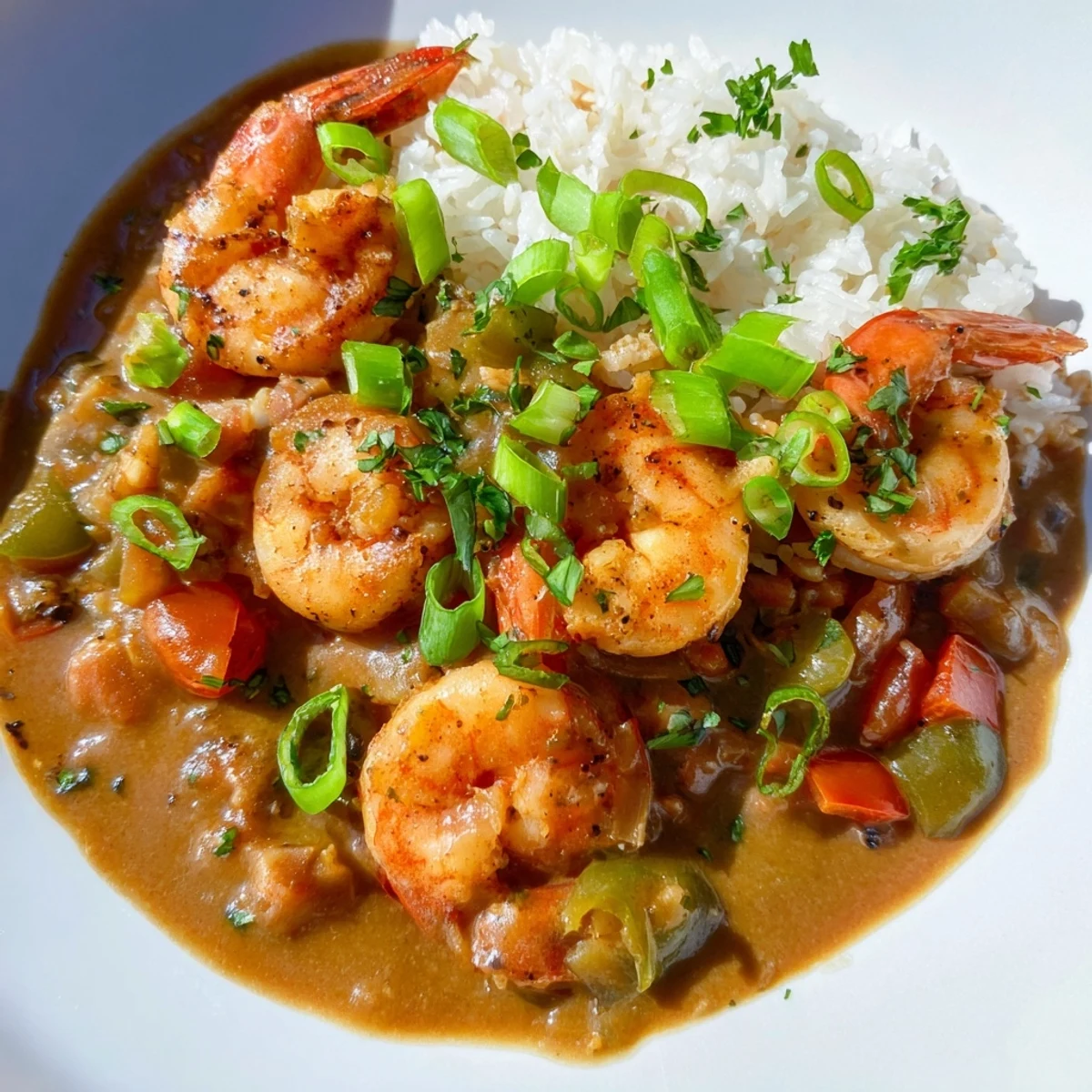
 Serve this with plenty of napkins and good bread, because no one can resist sopping up that last bit of sauce from their bowl.
Recipe FAQs
- → What is the key to making a perfect roux for this dish?
-
Slowly whisk butter and flour over medium heat until it turns a medium brown, developing a deep, nutty flavor without burning.
- → Can I adjust the spice level in this shrimp dish?
-
Yes, you can reduce or increase cayenne pepper and Cajun seasoning to suit your preferred heat level.
- → What can I use instead of shrimp?
-
Crawfish or chicken work well as alternatives and adapt nicely to the same cooking method and flavors.
- → Is it okay to prepare this dish ahead of time?
-
Absolutely, it can be gently reheated without losing its rich flavor and tender texture.
- → How do I make this dish gluten-free or dairy-free?
-
Use a gluten-free flour blend for the roux and substitute butter with vegetable oil or margarine to keep it dairy-free.