
 Pin It
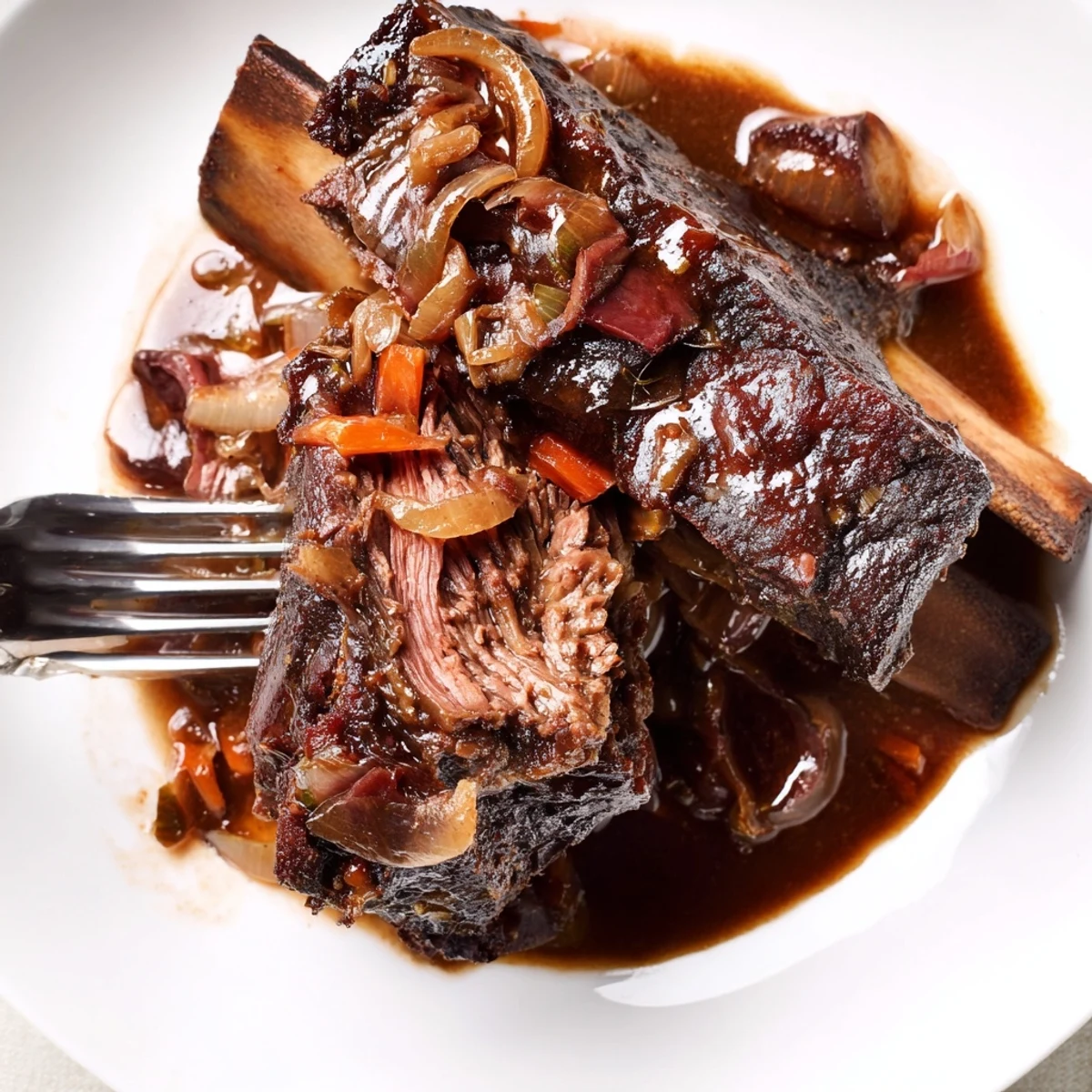
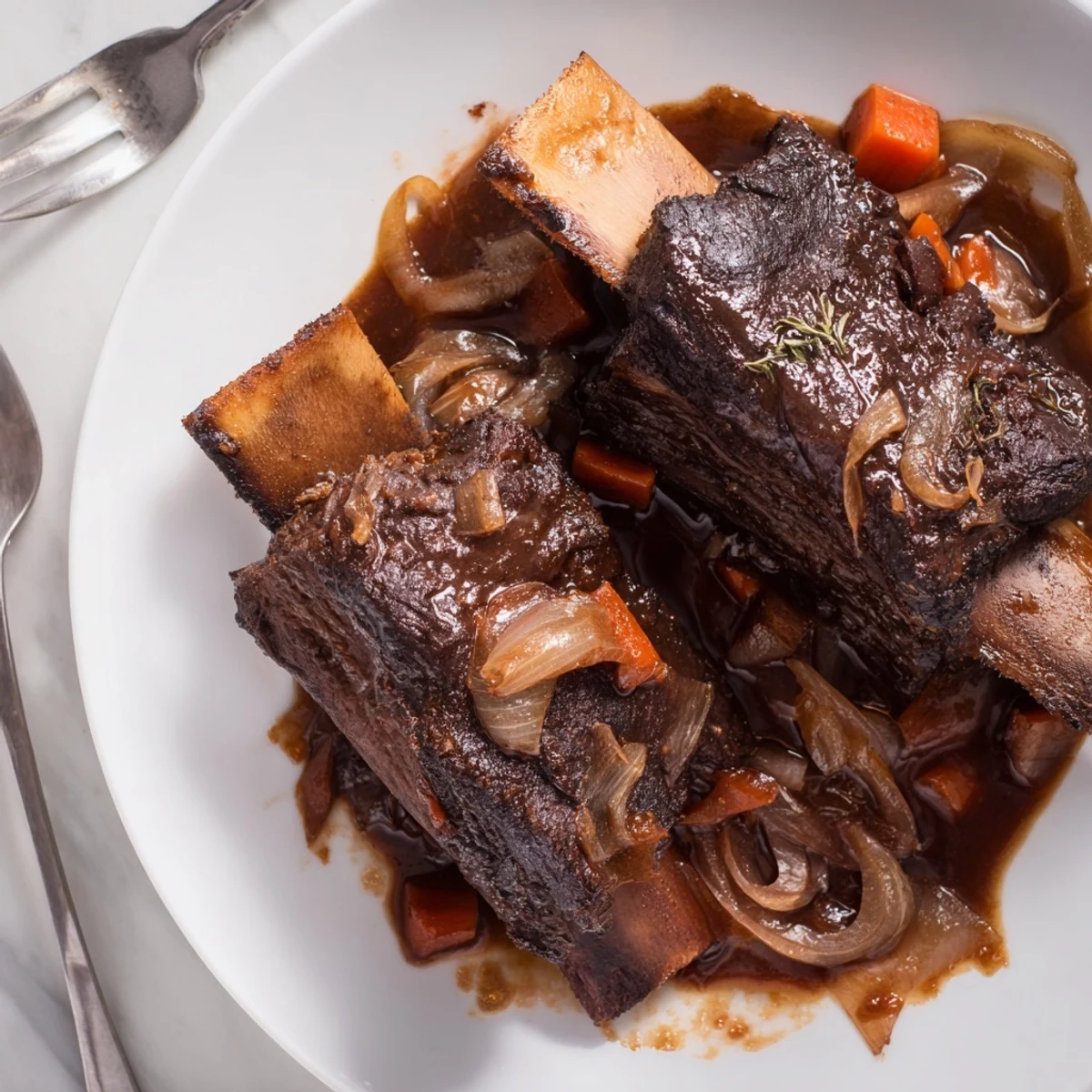
 Season and sear bone-in short ribs to build a deep crust, then combine with onions, carrots, celery, garlic, red wine, beef broth, tomato paste and Worcestershire. Add thyme, rosemary and bay leaves, then cook low for 8 hours until meat falls from the bone. Skim fat, discard herbs, and optionally thicken with a cornstarch slurry. Serve over mashed potatoes, polenta or with crusty bread for a hearty, comforting meal.
The scent of simmering beef short ribs practically takes over my small kitchen, lingering in every corner until even my cat seems to expect something decadent. It never fails to surprise me how a little patience and the low hum of a slow cooker can turn a few humble ingredients into the kind of meal that feels like a quiet reward. There’s almost a thrill in glancing at the clock, realizing dinner has practically cooked itself while I worked or wandered. It’s one of those rare dishes that fills a day with anticipation and an evening with satisfaction.
Once, on a chilly Sunday, I set out to make these short ribs as friends braved rainy weather just to bring board games to my place. By the third hour, a rich, savory perfume seeped under the door, and our laughter grew louder because, frankly, we couldn’t wait for the feast to come. I still remember the look of quiet amazement when that first forkful nearly melted away at the table. The slow cooker had done magic while we barely noticed.
Ingredients
- Beef short ribs (bone-in): Look for meaty, well-marbled ribs—bones add flavor, and I’ve found browning them truly deepens that savoriness.
- Onion: Chopped and sautéed before slow cooking, it softens and almost vanishes into the sauce, lending mellow sweetness.
- Carrots: I slice them thick so they don’t turn to mush; they absorb delicious sauce and brighten up each bite.
- Celery: Adds an earthy backbone and a hint of herbal freshness—I never skip it.
- Garlic: I always use fresh cloves, minced; they mellow beautifully as the hours tick by.
- Beef broth: Choose a good, low-sodium variety if possible; it forms the foundation of your sauce.
- Dry red wine: Don’t fear the wine: it cooks off, leaving a complexity that can’t really be faked with anything else—but extra broth works in a pinch.
- Tomato paste: Just a couple spoonfuls darken the sauce and offer richness with a subtle tang.
- Worcestershire sauce: This adds umami depth—I prefer classic, but check labels if allergies are a concern.
- Salt & black pepper: Season both meat and sauce, tasting before serving to adjust as you like.
- Fresh thyme & rosemary sprigs: Toss in whole; they perfume the stew, and you just fish them out at the end.
- Bay leaves: Only two needed; remove before serving to avoid any papery bites.
- Cornstarch & water (optional): For thickening if you like a glossy, clingy sauce—mix smooth before stirring in.
Instructions
- Brown the short ribs:
- Pat the ribs dry, season with salt and pepper, and sear them in a hot skillet until they’re deeply browned on every side. Breathe in the sizzle and let those caramelized edges build up real flavor.
- Sauté the vegetables:
- Add onion, carrot, celery, and garlic to the same skillet, scraping any brown bits; stir for a few minutes until they smell sweet and soften just a touch.
- Layer into slow cooker:
- Transfer the browned ribs and sautéed veggies into the slow cooker, making a bed for those ribs to nestle into.
- Add liquids and aromatics:
- Pour in the beef broth and red wine, stir in tomato paste and Worcestershire, then tuck in the thyme, rosemary, and bay leaves.
- Slow cook to perfection:
- Cover the slow cooker and let everything gently simmer on LOW for about 8 hours; the aroma will tell you when it’s nearly done—the meat should be utterly tender.
- Finish and serve:
- Fish out the herb sprigs and bay leaves, skim any excess fat. If a thicker sauce calls your name, whisk cornstarch with water and stir in, letting it bubble on HIGH for fifteen minutes until glossy.
- Plate and enjoy:
- Spoon ribs and vegetables over mashed potatoes (or whatever you love), drizzle with plenty of sauce, and savor each bite.
 Pin It
 The first time I made this for my family, thick rain streaked the windows and everyone seemed just a little out of sorts. But by dinnertime, when the ribs heaped onto plates and the sauce steamed up, the whole table went quiet—except for contented sighs and requests for seconds. Moments like that remind me why certain recipes become traditions without you even noticing.
How to Make It Work in Any Kitchen
The beauty of slow cooker short ribs is how forgiving the process feels—even my tiny galley kitchen handled it easily. Clean as you go, and there’s barely a mess to fuss with at the end; the most effort you’ll exert is searing the ribs (worth every spat of oil).
Choosing the Best Ingredients
I once grabbed short ribs on sale and realized after browning that richer marbling makes all the difference; leaner cuts can dry out in the long cook, so fat is your friend here. Fresh herbs—especially thyme—bring a fragrant brightness that dried just can’t match in this dish.
Serving and Pairing Ideas
This is the kind of meal that makes mashed potatoes earn their keep, but creamy polenta or hunks of crusty bread will soak up every drop just as well. A bold red wine, even if used just for sipping at the table, makes everything taste a bit more special.
- If making ahead, cool completely and skim fats before reheating.
- For a lighter meal, serve leftovers shredded over greens or tucked into soft tacos.
- Never rush the final hour—the magic happens when you let it all relax into tenderness.
 Pin It
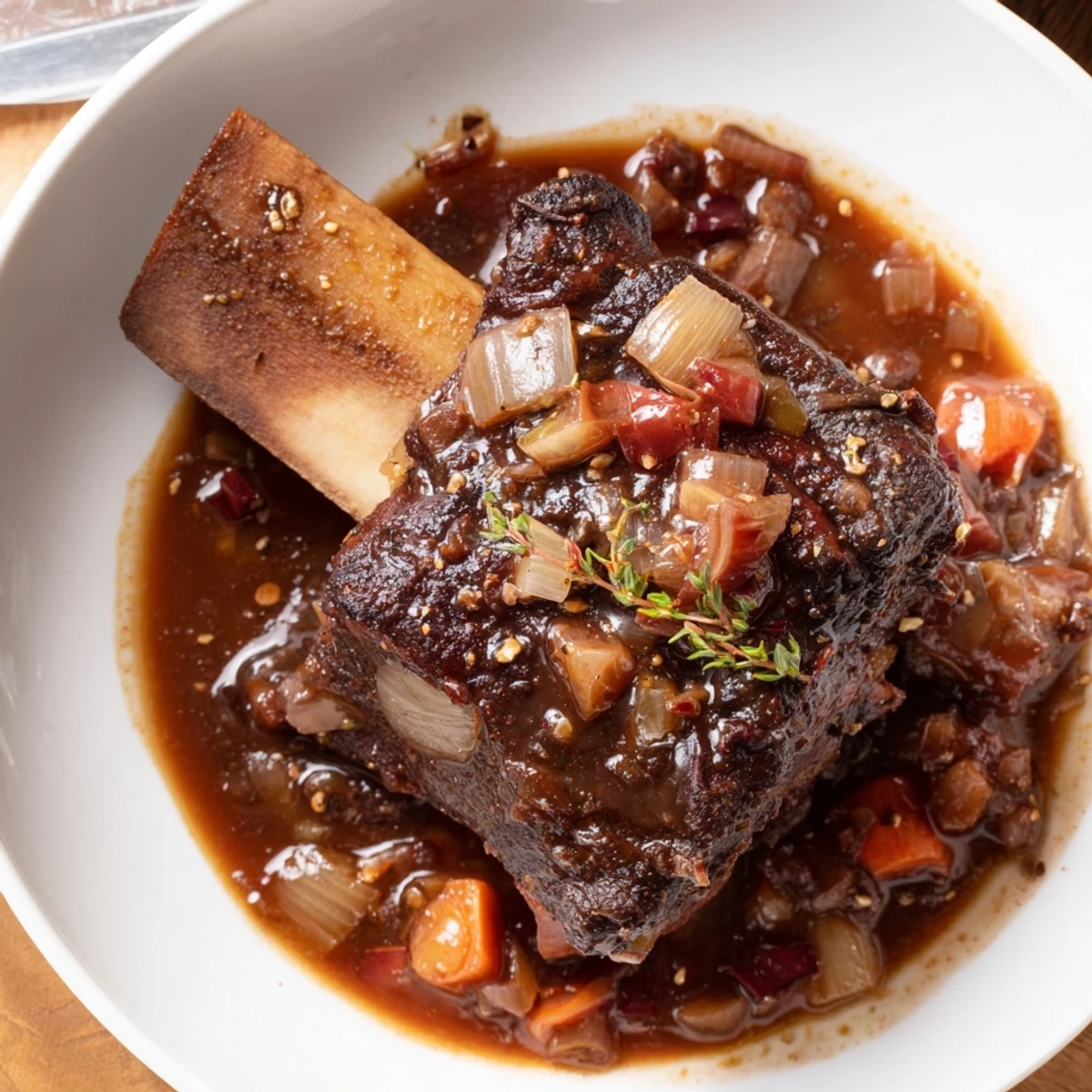
 Whether it’s a weeknight treat or a meal for a gathering, slow cooker beef short ribs always bring comfort and conversation to the table. Here’s to savoring every last saucy, tender bite together.
Recipe FAQs
- → Why brown the ribs first?
-
Browning creates a caramelized crust that deepens overall flavor and adds richness to the braising liquid. It also improves color and mouthfeel in the finished dish.
- → Can I substitute the red wine?
-
Yes. Use additional beef broth with a splash of balsamic or red wine vinegar for acidity, or use a nonalcoholic red wine alternative to preserve the braise’s depth.
- → How do I thicken the sauce?
-
Skim excess fat, then stir in a cornstarch slurry (cornstarch and cold water) and cook on high for 10–15 minutes. Alternatively, reduce the liquid on the stovetop until concentrated.
- → How should leftovers be stored and reheated?
-
Cool to room temperature, refrigerate in an airtight container for up to 3–4 days, or freeze up to 3 months. Reheat gently on low in a covered pan or in the oven to preserve moisture.
- → What are good serving options?
-
Serve with creamy mashed potatoes, polenta, buttered egg noodles or crusty bread to soak up the sauce. Roasted or steamed seasonal vegetables make a fresh accompaniment.
- → Any tips for reducing fat?
-
After cooking, refrigerate briefly so fat solidifies on top and can be removed, or skim with a ladle. Leaving some fat enhances flavor, so adjust to taste.