
 Pin It
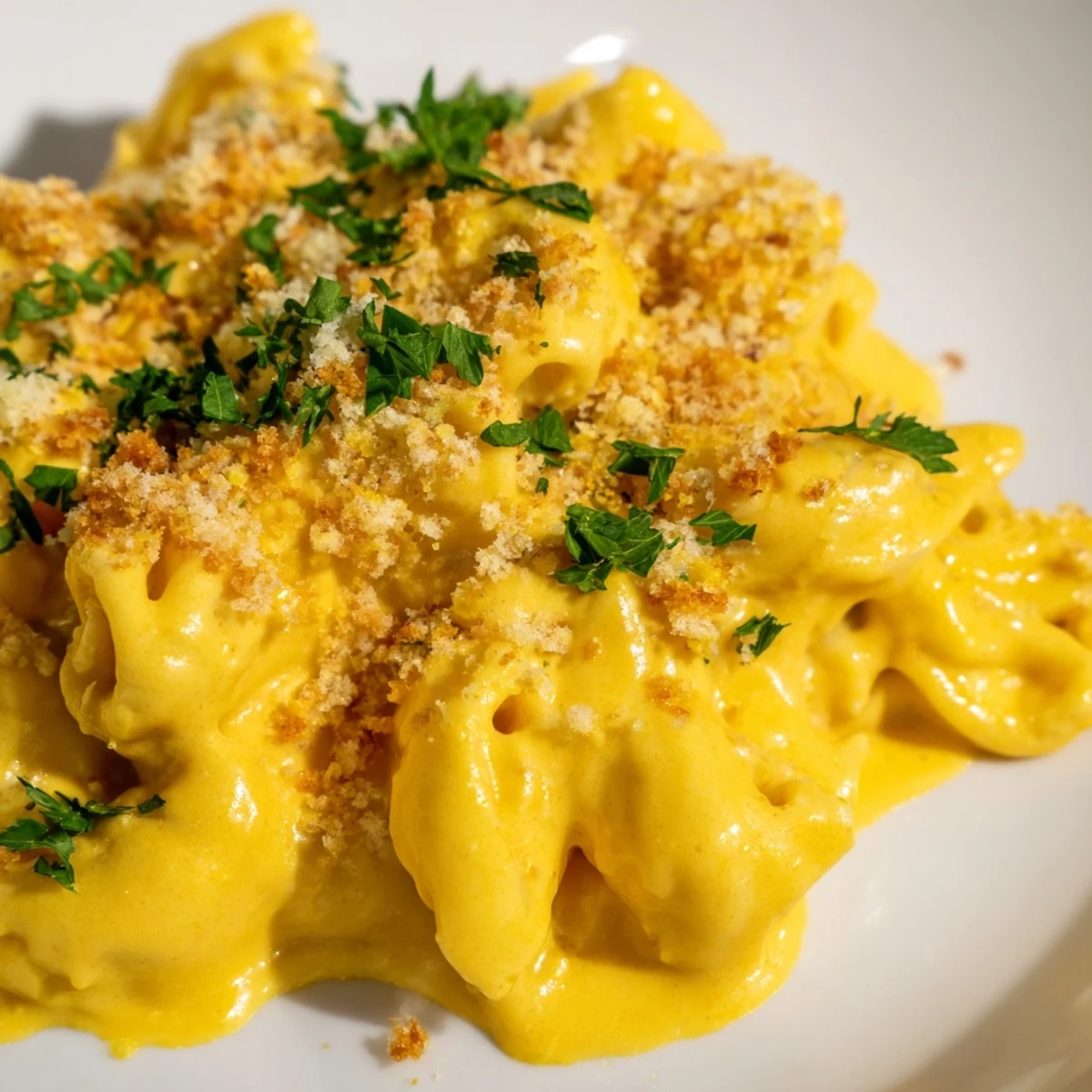
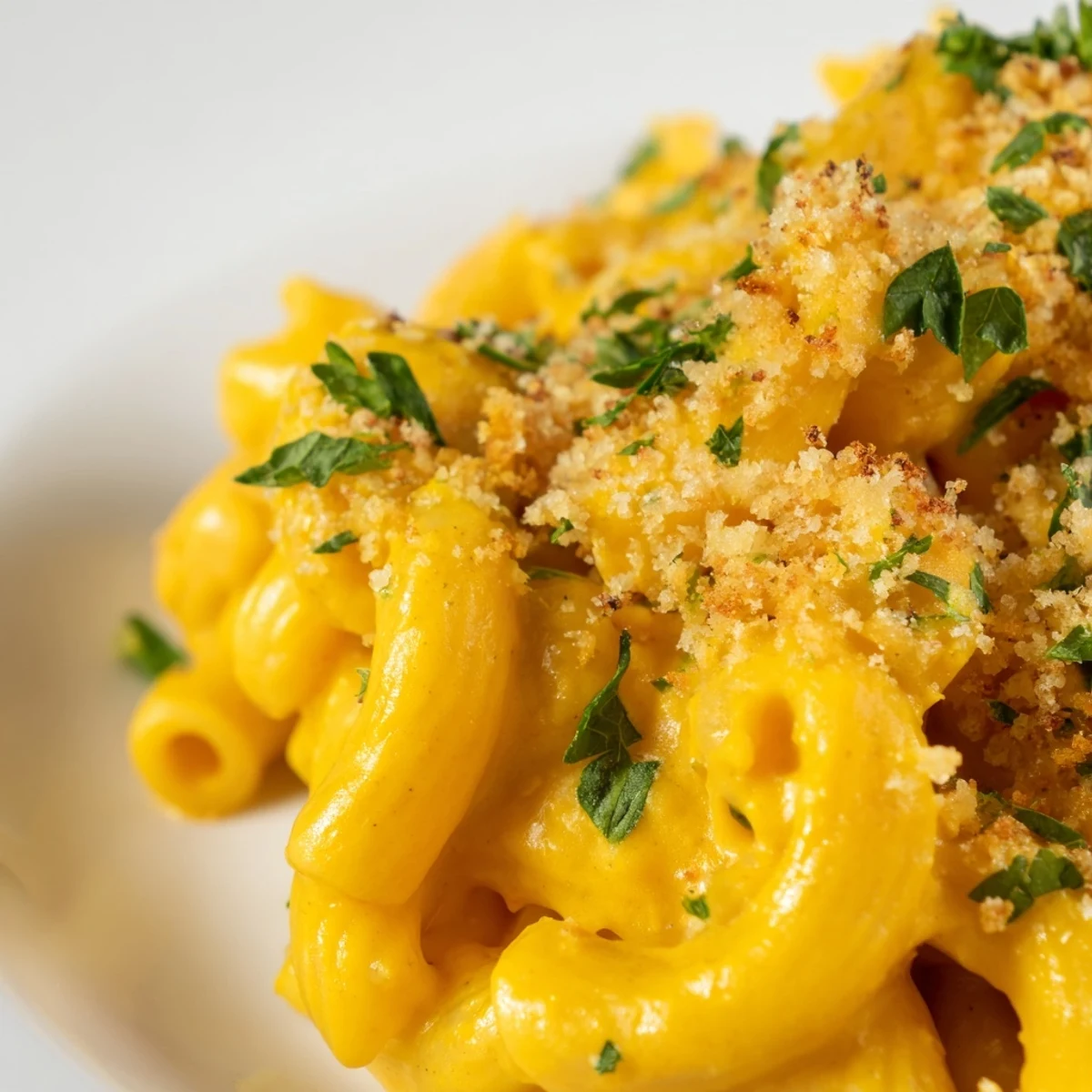
 This dish combines tender elbow macaroni with a smooth, plant-based cheese sauce made from roasted butternut squash and flavorful spices. Roasting the squash enhances its natural sweetness and creates a rich, velvety texture when blended with nutritional yeast, Dijon mustard, and smoked paprika. Finished with an optional crispy panko topping and fresh parsley, this comforting main course is quick to prepare and ideal for a healthy, vegan-friendly meal.
I discovered this recipe on a grey November afternoon when my friend texted asking if I could make something "creamy and cozy" for her—she'd just gone vegan. Standing in my kitchen staring at a butternut squash I'd bought on impulse, I realized I could transform the whole mac and cheese experience without missing a single comfort note. The first time I blended that roasted squash into silk, I tasted the sauce and couldn't believe how naturally cheesy and rich it was.
My friend Sarah sat at my kitchen counter that November evening, fork in hand, and after one bite she just looked at me with this expression of pure relief. She'd been worried about missing all her comfort foods, and here was this golden, creamy pasta that felt like home. Since then, I've made it for dinner parties, packed it for potlucks, and honestly keep the ingredients stocked because it's become my go-to when I want something that makes people feel genuinely cared for.
Ingredients
- Elbow macaroni (350 g / 12 oz): The classic choice holds sauce beautifully, but small shells work just as well and feel a bit more elegant if you're serving guests.
- Butternut squash (1 medium, about 900 g / 2 lbs), peeled and cubed: This is your secret weapon—roasting it brings out natural sweetness that makes the whole sauce taste rich without any dairy.
- Yellow onion (1 small, roughly chopped) and garlic cloves (2, peeled): These roast alongside the squash and become mellow and sweet, adding depth to the sauce without any harsh edge.
- Unsweetened plant-based milk (120 ml / ½ cup): Oat or soy milk works best here; they're creamier than almond milk and won't make the sauce taste thin.
- Nutritional yeast (60 ml / ¼ cup): This is what gives you that savory, umami, almost-cheesy flavor—don't skip it or your sauce will taste like squash soup instead of mac and cheese.
- Olive oil (2 tbsp for roasting, 1 tbsp for sauce, 1 tbsp for topping): Good quality olive oil makes a real difference in how smooth and silky the final sauce becomes.
- Lemon juice (1 tbsp): A small squeeze brightens everything and keeps the squash from tasting too heavy.
- Dijon mustard (2 tsp): This adds a subtle tang that makes your brain register "cheese sauce" even though there's no cheese involved.
- Smoked paprika (½ tsp) and ground turmeric (½ tsp, optional): Paprika adds warmth and a whisper of smokiness; turmeric gives the sauce a more natural cheese color if you want it.
- Salt (1 tsp) and black pepper (½ tsp): Taste as you blend and adjust—seasoning is everything with this recipe.
- Panko breadcrumbs (30 g / ¼ cup), olive oil (1 tbsp), and fresh parsley (1 tbsp chopped): The topping adds texture and makes it feel restaurant-quality, though it's entirely optional.
Instructions
- Prep and roast your vegetables:
- Preheat your oven to 200°C (400°F) and line a baking tray with parchment paper. Toss your butternut squash cubes, onion, and garlic with 1 tbsp olive oil, a pinch of salt, and pepper, then spread them out in a single layer. Let them roast for 25 minutes until the squash is completely fork-tender and the edges are lightly caramelized—you want them soft enough to blend into silk.
- Cook the pasta:
- While the vegetables roast, bring a large pot of salted water to a boil. Cook your pasta according to package directions until it's al dente—a little firm to the bite is perfect because it will soften slightly when you mix it with the warm sauce. Drain it well and set it aside.
- Blend the sauce:
- Transfer the roasted squash, onion, and garlic into a blender. Add the plant-based milk, nutritional yeast, 1 tbsp olive oil, lemon juice, Dijon mustard, smoked paprika, turmeric if using, salt, and pepper. Blend until completely smooth and creamy, then taste it and adjust the seasoning—this is your moment to make it exactly right.
- Combine and warm:
- Return your cooked pasta to the pot and pour the sauce over it, stirring gently until every strand is coated. Heat it on low for 2-3 minutes, stirring occasionally, just until it's warm and the sauce thickens slightly around the pasta.
- Add the topping (optional but recommended):
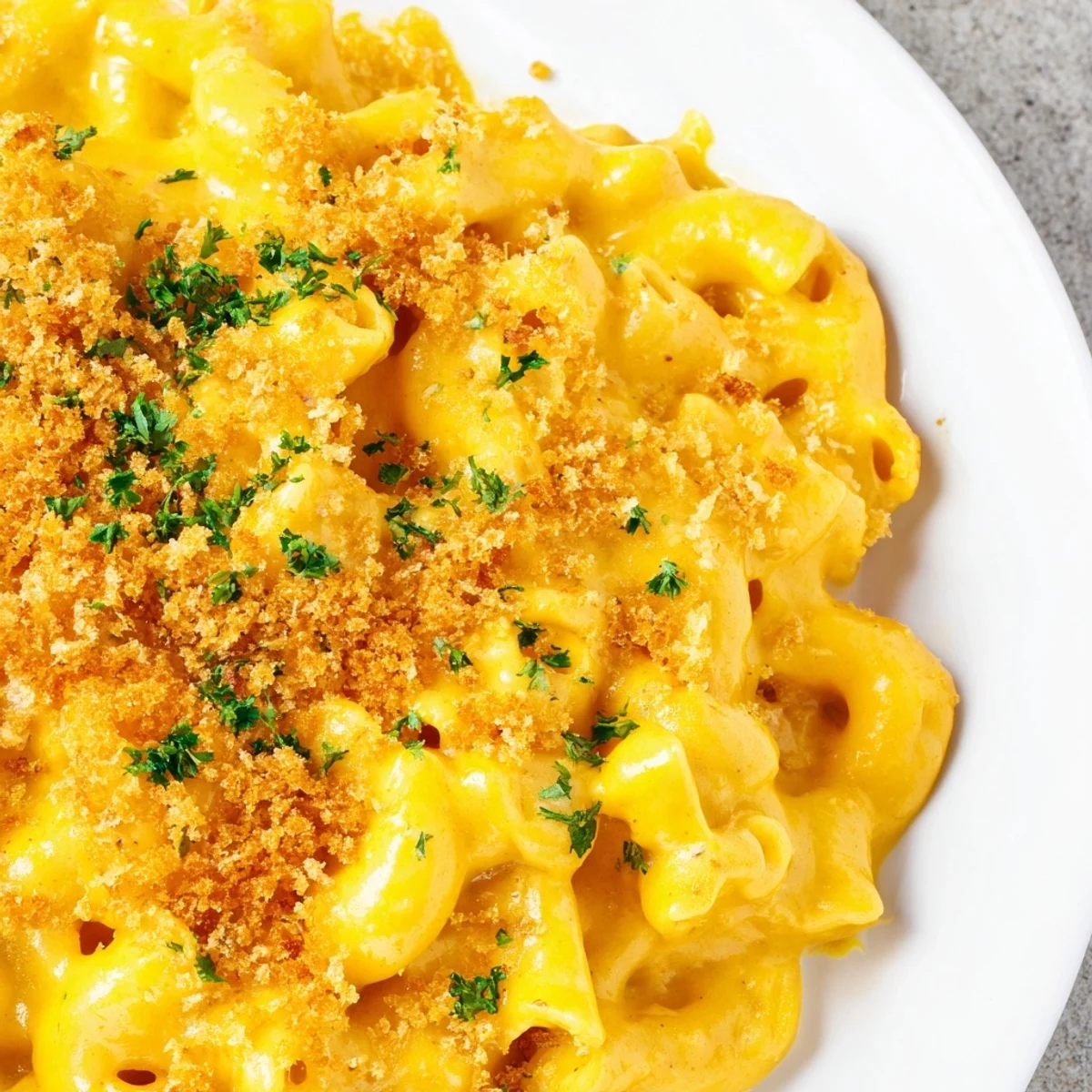
- If you want that crispy, golden top, mix your panko breadcrumbs with 1 tbsp olive oil and scatter it over the pasta in an ovenproof dish. Pop it under the broiler for 2-3 minutes until the breadcrumbs are golden and toasted.
- Serve and celebrate:
- Serve while it's hot, garnished with fresh parsley if you have it. This is the moment where people taste it and realize plant-based cooking can be just as satisfying as anything else.
 Pin It
 What moved me most was watching my friend come back for seconds that first night, and then asking if I could teach her how to make it. Suddenly this dish became less about accommodating a dietary choice and more about sharing something genuinely delicious that happened to be plant-based.
Why This Becomes a Regular in Your Rotation
There's something magical about watching people's faces when they taste this for the first time and then learn there's no cheese, no butter, no cream. It shifts something in how they think about what's possible in the kitchen. The recipe is also forgiving enough that you can make it on a weeknight without stress, yet special enough that it feels like a proper dinner when you serve it to people you care about.
Variations That Work Beautifully
I've made this about a dozen different ways now. Sometimes I add a handful of sautéed mushrooms for extra umami, or a can of white beans stirred in at the end for protein. Once I used sweet potato instead of butternut squash and loved the different flavor story it created. You can also add cooked spinach, sun-dried tomatoes, or even roasted red peppers if you want to turn it into something that feels completely different.
Storage, Reheating, and Wine Pairing
This keeps beautifully in the refrigerator for about four days and reheats gently on the stovetop with a splash of plant milk—don't use high heat or the sauce can break. I usually add a fresh grind of pepper and a pinch of nutritional yeast when I reheat it to brighten the flavors back up. As for what to drink with it, a crisp white wine like Sauvignon Blanc or even a light rosé cuts through the richness perfectly, or just serve it with a fresh green salad and you have a complete, nourishing meal.
- Make a double batch and freeze half in an airtight container for a genuinely comforting emergency dinner.
- If you're cooking for someone who isn't vegan, you can always crumble some vegan parmesan on top at the table.
- The panko topping makes this feel special enough for entertaining, but honestly, it's delicious even without it.
 Pin It
 This recipe has become more than just dinner at my house—it's become a way of showing people that plant-based cooking isn't about sacrifice. It's about discovery, comfort, and the joy of feeding yourself and the people you love with something that actually tastes like love.
Recipe FAQs
- → What pasta works best for this dish?
-
Elbow macaroni or small pasta shells hold the sauce well and provide the ideal texture for this creamy squash dish.
- → Can I substitute the butternut squash?
-
Sweet potato can be used as a substitute, offering a similar sweetness and texture when roasted and blended.
- → How do I achieve the creamy texture without dairy?
-
Blending roasted squash with plant-based milk, nutritional yeast, and olive oil creates a rich, smooth sauce that mimics traditional cheese sauces.
- → Is there a way to add a crunchy topping?
-
Yes, mixing panko breadcrumbs with olive oil and broiling for a few minutes adds a delightful crispy crust.
- → Can I prepare this dish ahead of time?
-
It can be made in advance and gently reheated, stirring occasionally to maintain the creamy consistency.