
 Pin It
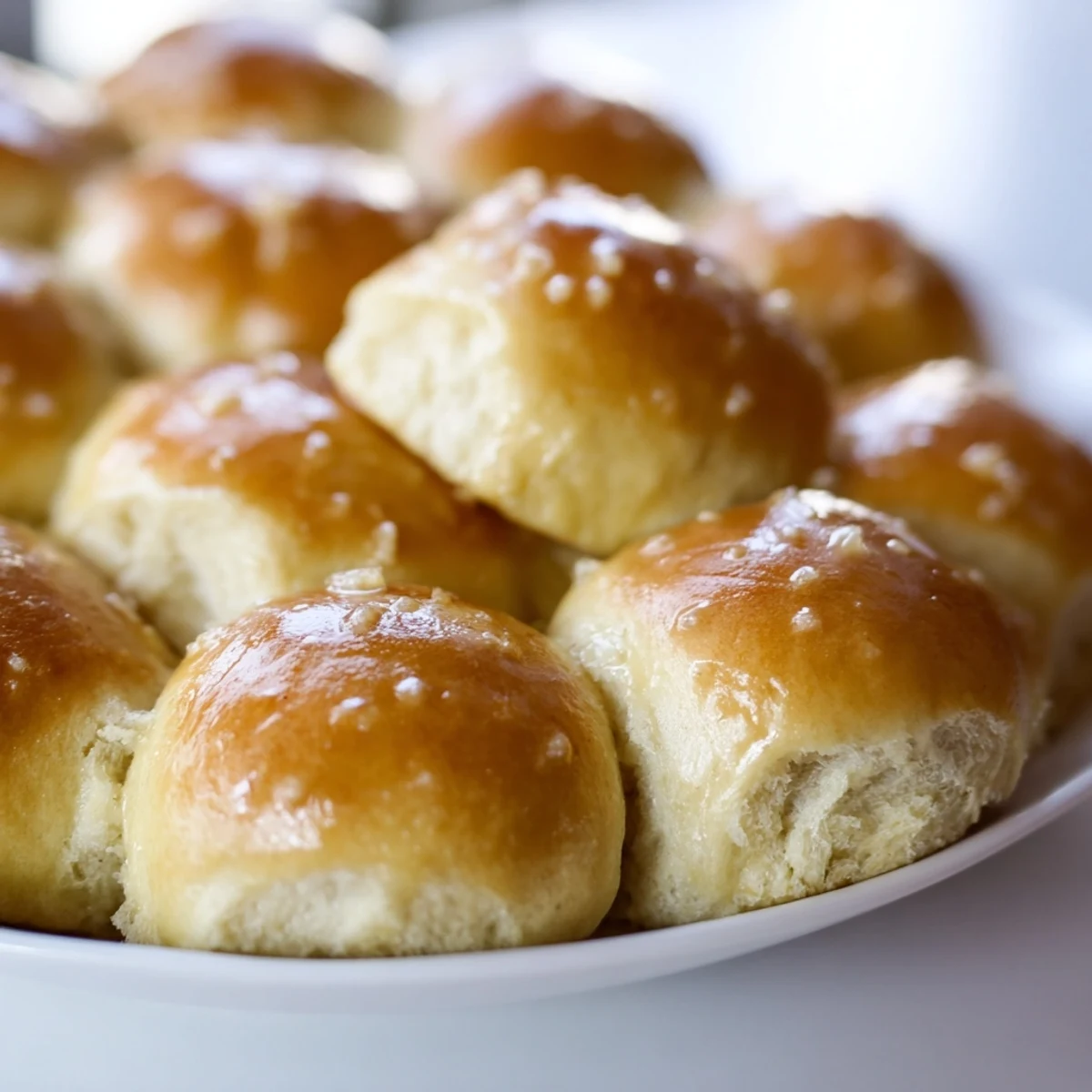
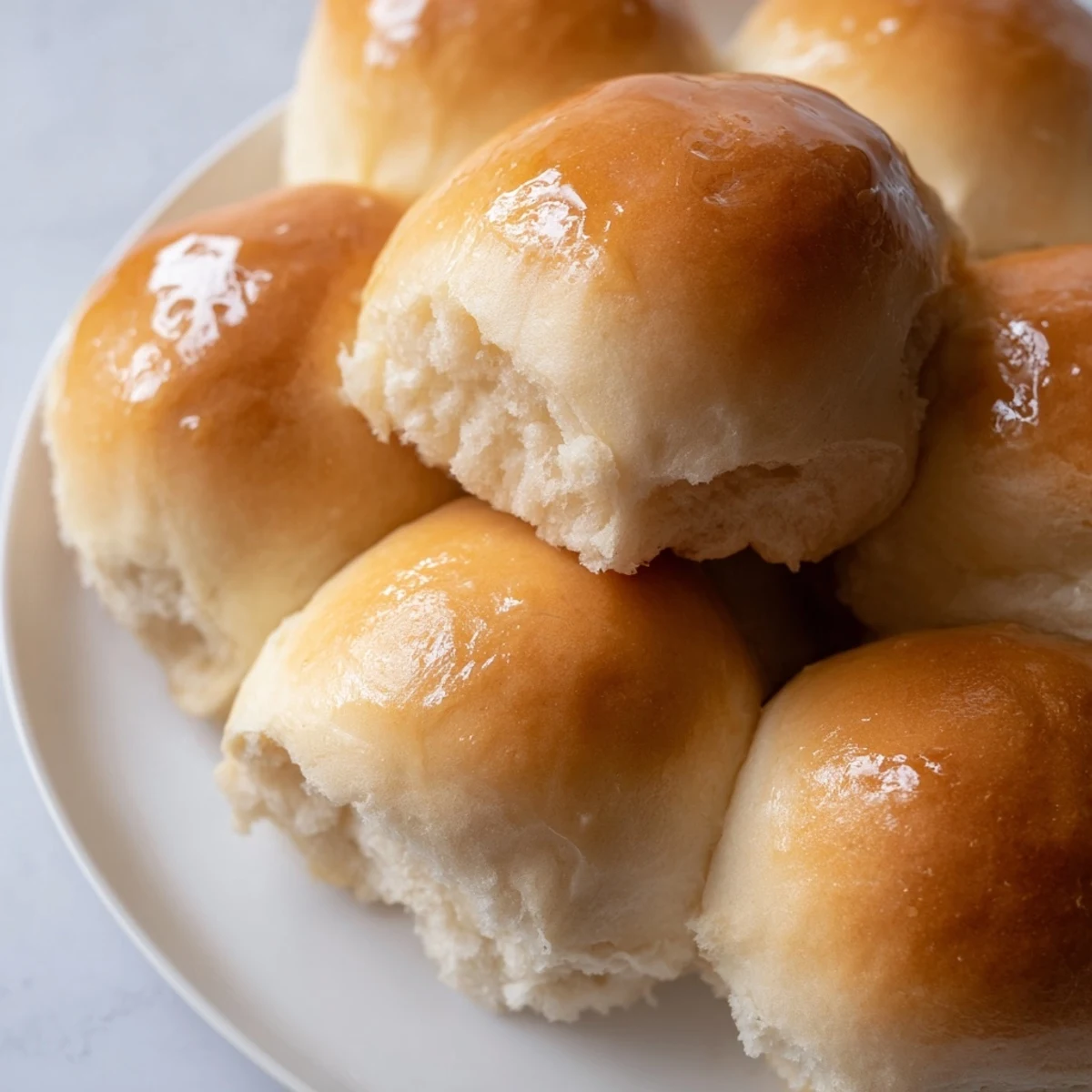
 These vegan dinner rolls are soft, fluffy, and golden-brown, crafted with simple pantry ingredients like plant-based milk, vegan butter, sugar, and yeast. The dough is kneaded until smooth, allowed to rise twice for ideal texture, then baked to perfection before being brushed with melted vegan butter for extra flavor. Perfectly tender and slightly buttery, they complement any meal and can be customized with herbs or spices for added taste.
The first time I served these at a family dinner, my omnivore uncle kept asking what kind of butter Id used. Watching everyones confusion when I told them it was vegan butter never gets old. These rolls have become my secret weapon for proving plant-based eating can be incredibly satisfying. Nothing beats pulling that golden brown dish from the oven.
Last Thanksgiving I made three batches because my sister asked me to. By the time dinner was served, half the first batch had mysteriously disappeared from the cooling rack. Now I double the recipe automatically whenever theres a gathering, no matter how small.
Ingredients
- Unsweetened almond milk: This creates a subtly sweet foundation and helps the yeast activate perfectly. Ive tried oat and soy milk too, both work beautifully.
- Vegan butter: The secret to that classic buttery flavor everyone assumes means dairy. Melt it completely so it incorporates evenly into the dough.
- Organic cane sugar: Feeds the yeast and helps the rolls achieve that gorgeous golden color in the oven. Dont skip this step.
- Active dry yeast: Make sure its fresh and still active. Nothing worse than waiting two hours for dough that never rises.
- All-purpose flour: Provides structure while keeping the texture tender. You can experiment with whole wheat for a heartier roll.
- Fine sea salt: Essential for balancing the sweetness and bringing out all the flavors. Use fine salt so it dissolves evenly.
Instructions
- Wake up the yeast:
- Warm your plant-based milk until it feels comfortably warm on your wrist, about body temperature. Stir in the melted butter and sugar until dissolved, then sprinkle the yeast on top and walk away for 10 minutes. Youll come back to a layer of tiny bubbles proving that your yeast is alive and ready to work.
- Build the dough:
- Add the flour and salt into your yeast mixture. Mix with a wooden spoon until everything comes together into a shaggy ball that pulls away from the sides of the bowl. The dough will look rough at first, trust the process.
- Knead it out:
- Turn the dough onto a lightly floured surface and push it away with the heel of your hand, fold it back over, and repeat. This develops gluten which gives the rolls their structure and bounce. Keep going for at least 8 minutes until the dough feels smooth like a babys cheek and springs back when you poke it.
- Let it rise:
- Place your dough ball in an oiled bowl, turning it once to coat all sides. Cover with a warm towel and tuck it somewhere cozy and draft-free. Check it after an hour. The dough should have doubled in size and look puffy and alive.
- Shape the rolls:
- Gently deflate the dough with your fist, then divide it into 12 equal pieces. Tuck the edges underneath each piece to form smooth, tight balls. Place them in your greased baking dish so theyre touching slightly.
- Second rise:
- Cover the dish again and let the rolls puff up for 30 minutes. They should look pillowy and fill in the gaps between each other. While they rise, preheat your oven to 375°F so its fully ready when you are.
- Bake until golden:
- Slide the dish into the oven and bake for 18 to 20 minutes. Watch the tops turn a beautiful golden brown. The kitchen will start smelling incredible, making it hard to wait for them to finish.
- Butter and serve:
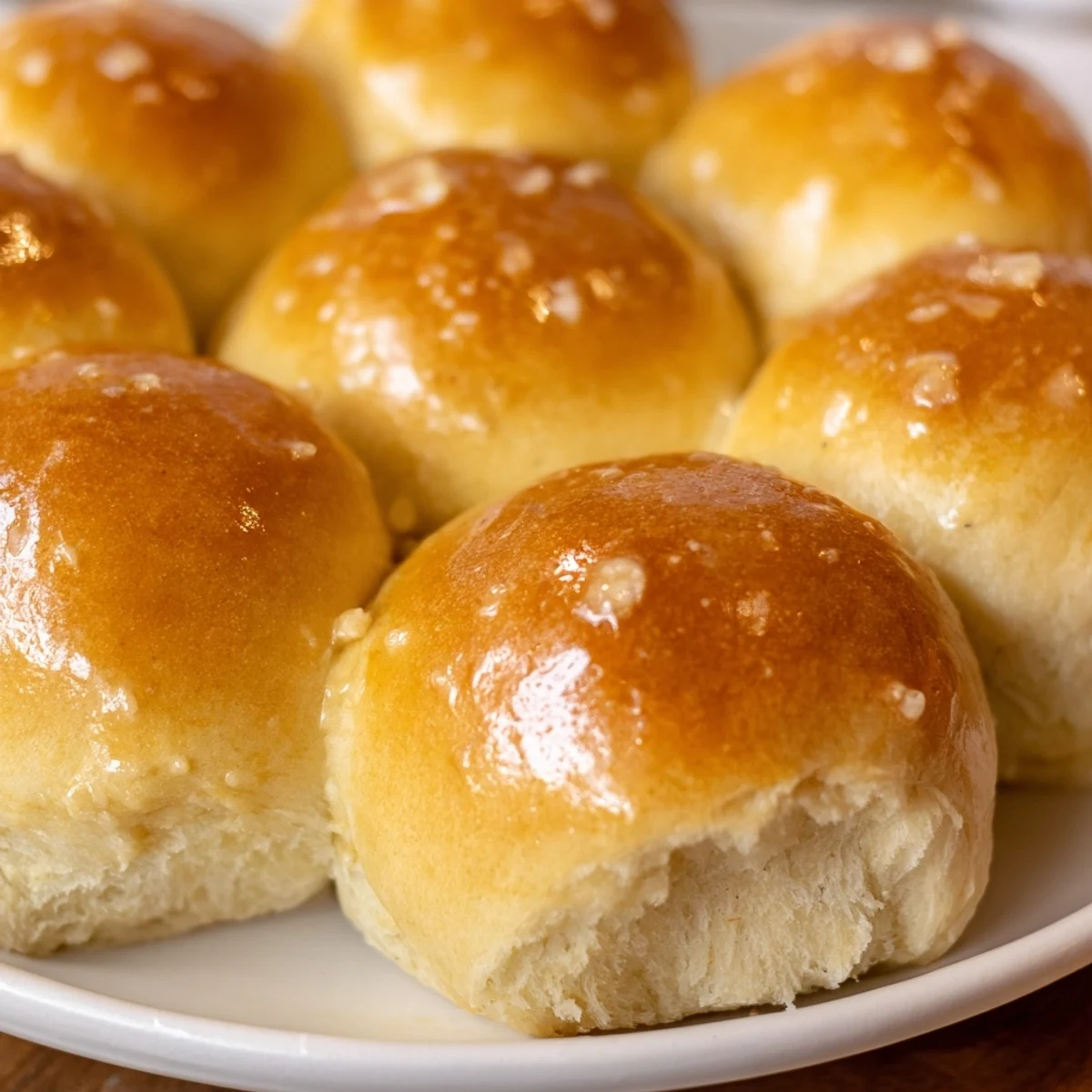
- Remove the rolls from the oven and immediately brush the tops with melted vegan butter while theyre still hot. This step is non-negotiable for that irresistible glossy finish. Let them cool just enough to handle before tearing into them.
 Pin It
 These rolls have become such a staple in my house that my kids can now make them from memory. Theres something magical about watching simple ingredients transform into something that brings so much joy to the table.
Making Them Ahead
I often make the dough the night before and let it do its first slow rise in the refrigerator. The cold proofing actually develops more flavor, and the rolls taste even better. Just let the dough come to room temperature before shaping and baking.
Freezing Instructions
Fresh baked rolls freeze remarkably well. Let them cool completely, wrap tightly in plastic, then freeze for up to three months. Reheat in a 350°F oven for 10 minutes and they will taste freshly baked. I always keep a stash for emergency dinner situations.
Serving Suggestions
These rolls are incredibly versatile. Serve them alongside soups and stews, or slice them horizontally for mini sandwiches. They are perfect for mopping up pasta sauce or enjoying with jam at breakfast.
- Try adding roasted garlic to the dough for a savory twist
- Brush with herbs and coarse salt for restaurant style presentation
- Keep them covered to stay warm throughout dinner service
 Pin It
 There is something deeply satisfying about pulling apart a warm, fluffy roll you made yourself. Hope these become a beloved part of your table too.
Recipe FAQs
- → What plant-based milks work best for these rolls?
-
Unsweetened almond, soy, oat, or cashew milk all work well, providing moisture and subtle flavor to the dough.
- → Can I add flavor variations to the dough?
-
Yes, adding garlic powder, fresh herbs, or spices to the dough enhances the aroma and taste without overwhelming the subtle profile.
- → How do I know when the dough has risen enough?
-
The dough should approximately double in size and appear puffier after rising periods, indicating readiness for shaping or baking.
- → What is the best way to store these rolls?
-
Store cooled rolls in an airtight container at room temperature for up to two days or freeze them for longer keeping, reheating gently before serving.
- → How do I achieve soft, fluffy texture in homemade rolls?
-
Proper kneading to develop gluten and allowing the dough to rise twice ensures a soft, elastic structure, resulting in fluffy rolls.