
 Pin It
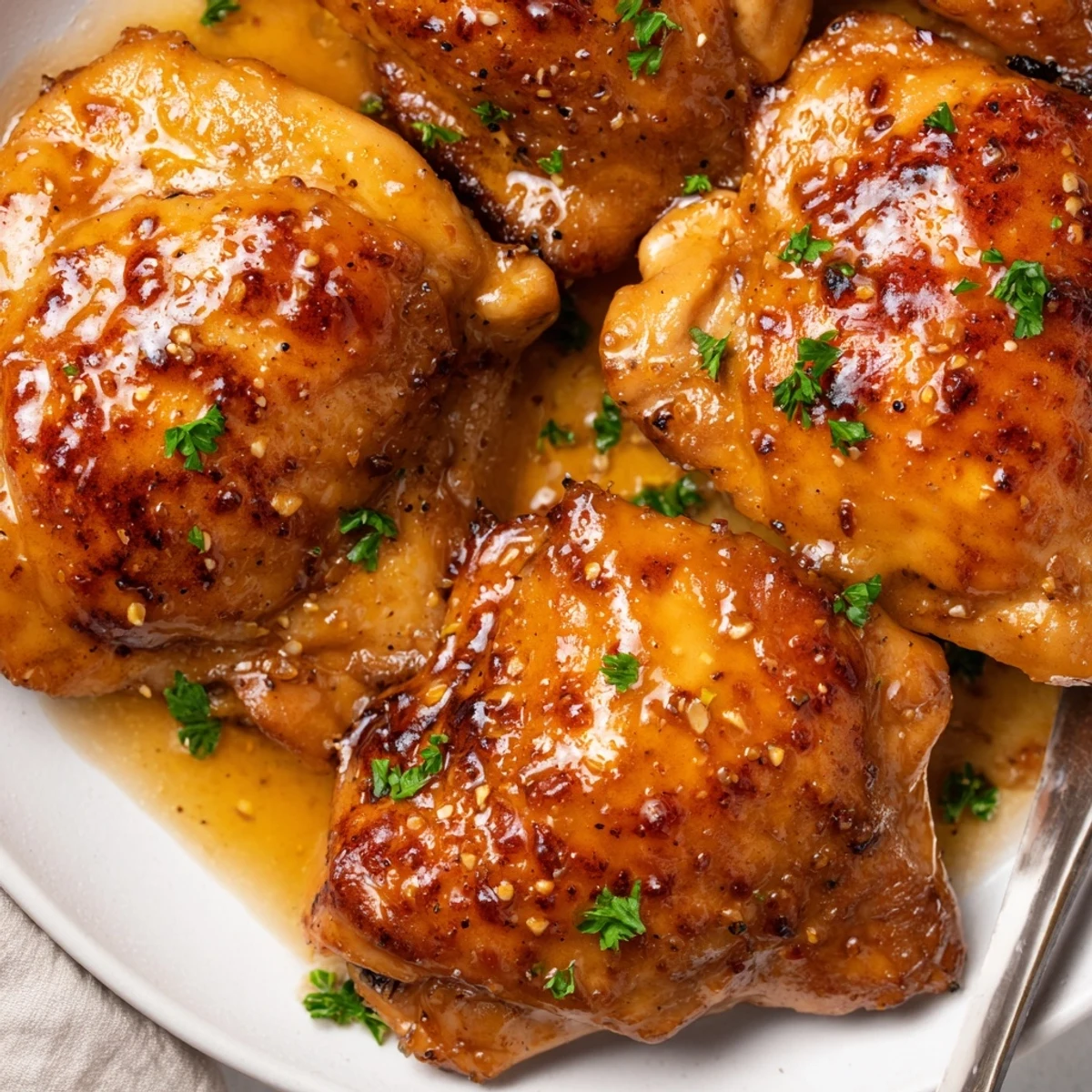
 Tender bone-in, skin-on chicken thighs are seasoned and baked at 400°F in a glossy maple-Dijon glaze until deeply golden, about 30–35 minutes. Baste every 10–15 minutes and broil 2–3 minutes for extra-crisp skin. Rest 5 minutes, sprinkle parsley. Make ahead by marinating up to 4 hours; swap honey or agave for maple and use gluten-free soy if needed.
The late autumn sun streamed through my kitchen window the first time I made these maple glazed chicken thighs, casting long golden streaks across the countertop. The air was brisk outside, but inside it was all sizzle and warmth as I stirred the glaze, caught somewhere between the earthy sweetness of maple and the faint tang of mustard. Even as the chicken roasted, the scent started drifting through the house, coaxing everyone to linger in the kitchen. That aroma alone promised a meal that was both comforting and a little bit luxurious.
The time I served this to my best friend after a long day, we found ourselves swapping stories over the kitchen counter while basting the chicken, both of us laughing as the glaze bubbled and sizzled. There was a quiet joy in sharing something both simple and special, made all the more memorable by maple's sweet magic.
Ingredients
- Bone-in, skin-on chicken thighs: These keep the meat juicy, and I've learned that patting them dry ensures maximum crispiness.
- Pure maple syrup: Don't skimp—real maple syrup brings an irreplaceable caramel note and depth to the glaze.
- Dijon mustard: It adds just enough bite, balancing the sweetness without overtaking the other flavors.
- Soy sauce (gluten-free if needed): This is the secret to umami; if you swap brands, taste first—some are saltier than others.
- Garlic, minced: Fresh garlic infuses the glaze with irresistible fragrance; don't rush the mincing for the best release of oils.
- Apple cider vinegar: Just a splash, but it sharpens everything—skip it and you'll notice what's missing.
- Smoked paprika: This little touch adds warmth and a subtle smokiness that really works here.
- Black pepper and salt: Season generously, but taste as you go—I learned the hard way that soy can be pretty salty.
- Fresh parsley (optional): It's a small finish, but the color and burst of freshness brighten the plate.
Instructions
- Get the oven hot:
- Crank your oven to 400°F (200°C), letting it preheat while you get things set up. The right temperature sets the stage for crisp, caramelized chicken skin.
- Pat and season:
- Laying the thighs out on paper towels and blotting until they're dry, you'll hear a faint sticky sound—this helps the seasonings stick and gives you a golden finish. Sprinkle both sides with salt and black pepper, rubbing them in gently with your fingertips.
- Whisk the magic sauce:
- In a mixing bowl, whisk maple syrup, Dijon, soy sauce, garlic, cider vinegar, and smoked paprika until glossy and unified. As you stir, sneak a quick inhale—it's all savory, sweet, tangy, and smoky rolled into one.
- Arrange and coat:
- Place the chicken thighs snugly in an oven-safe skillet or baking dish and pour the glaze over, turning each piece so it's fully coated. The skin glistens as you brush the sauce on, already hinting at how luscious it will be.
- Bake and baste:
- Slide the dish into the oven and set a timer—every 10-15 minutes, use a spoon or brush to baste the thighs with pan juices. After about 30-35 minutes, the chicken should be deep golden and cooked through, with juices bubbling and the aroma filling the house.
- Crisp at the end:
- If you want shatteringly crisp skin, flash the dish under the broiler for an extra 2-3 minutes—watch closely, as the sugars in the glaze caramelize fast.
- Rest and serve:
- Let the chicken rest briefly so the juices settle, then scatter fresh parsley on top for a bright contrast before serving up generous helpings.
 Pin It
 There was a night when these maple glazed chicken thighs were the heart of a spontaneous dinner, friends dropping in and laughter echoing off the kitchen walls, the platter left with nothing but a few stray herbs. That meal turned an average evening into a memory, and now just the smell of maple and garlic gets me smiling.
Finding the Right Chicken Matters
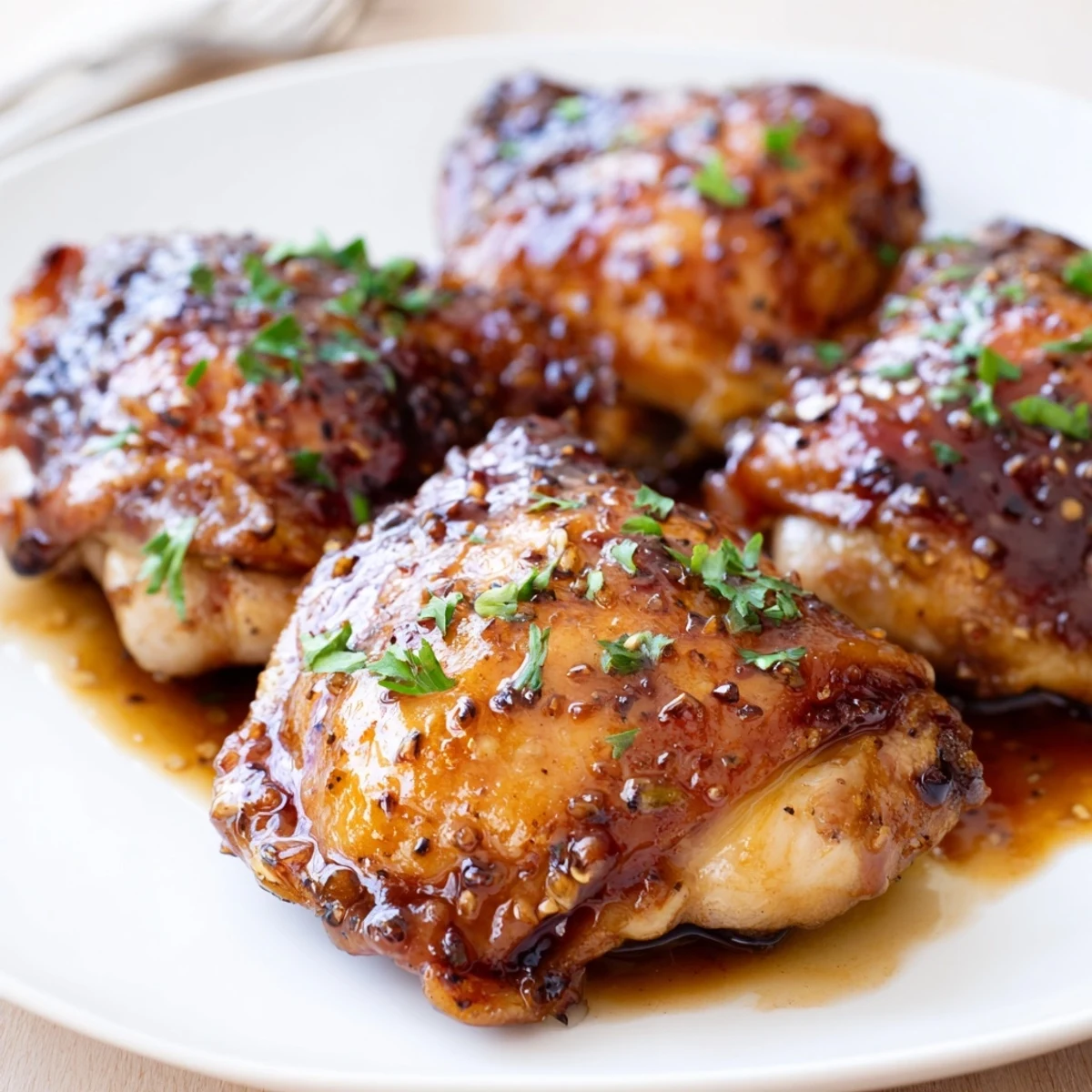
If you can, spring for good-quality chicken thighs—the difference in tenderness is noticeable, and the richer flavor soaks up the glaze beautifully. I once used boneless and the sauce still worked, but you miss out on the juicy payoff of bone-in skin-on pieces. The skin bakes up crisp and golden, forming the perfect base for all that glossy maple goodness.
Mastering the Maple Glaze
Glaze consistency is everything; if it's too thin, it runs right off, and too thick, it won't evenly coat. I like to taste a dab before using—sometimes a touch more vinegar or a dash more mustard is all it takes to bring it into balance. For a twist, try a bit of orange zest stirred in, especially if you're craving something brighter.
Serving and Storing Leftovers
Leftovers are a treat—the glaze clings even better the next day and makes an epic chicken sandwich or salad topper. Reheat gently in a covered pan, adding a splash of broth to keep things moist, and finish with a fresh sprinkle of parsley to revive those flavors.
- Let leftovers cool completely before storing.
- I keep any glaze or juices and spoon them over reheated chicken.
- Eat within 3 days for the best taste and texture.
 Pin It
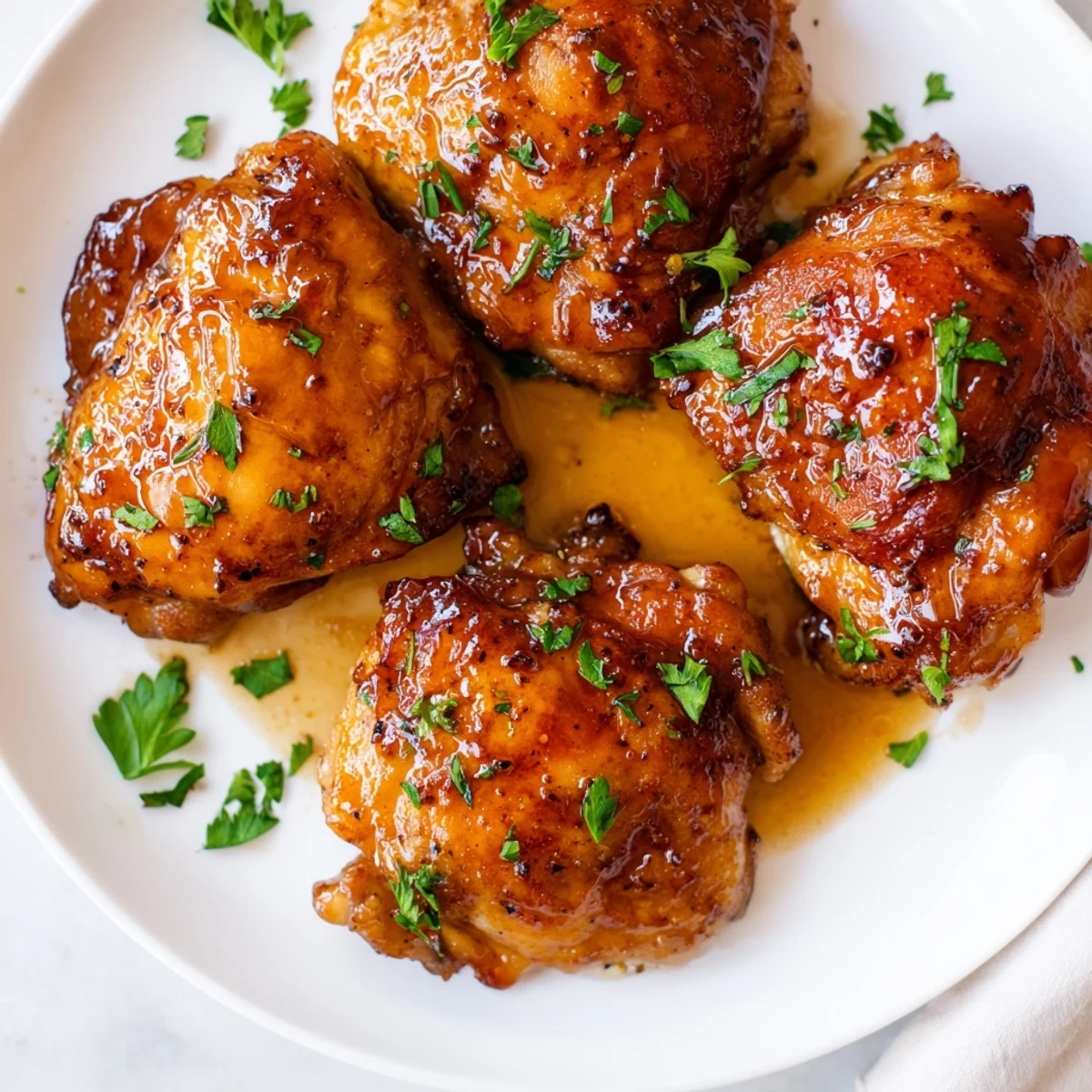
 There's something deeply satisfying about lifting the lid on that bubbling dish and seeing the chicken burnished and ready to serve. May this recipe warm your kitchen, fill your plate, and make any night feel a little more special.
Recipe FAQs
- → How do I get the skin extra crisp?
-
Pat the thighs very dry before seasoning and start at a high oven temperature (400°F). Baste with pan juices during baking and finish under the broiler for 2–3 minutes to render fat and tighten the skin.
- → Can I use boneless, skinless thighs instead?
-
Yes—reduce baking time and watch internal temperature closely. Without skin, sear briefly in a skillet to build color, then bake with the glaze to prevent drying out; skip the broil step.
- → What can I substitute for maple syrup?
-
Honey or agave work well as a sweetener; honey will add floral notes while agave is milder. Adjust quantities to taste and balance with the Dijon and vinegar to maintain the sweet-savory profile.
- → How can I ensure the dish is gluten-free?
-
Use a certified gluten-free soy sauce or tamari and check mustard labels for additives. All other listed ingredients are naturally gluten-free, but verify any packaged items you use.
- → Is it possible to prepare ahead of time?
-
Yes—marinate the thighs in the glaze for up to 4 hours refrigerated to deepen flavor. Bring to room temperature before baking and reserve extra glaze for basting during cooking.
- → What sides pair well with maple-Dijon thighs?
-
Roasted root vegetables, mashed potatoes, or steamed green beans complement the sweet-savory glaze. A simple green salad with a bright vinaigrette helps cut richness.