
 Pin It
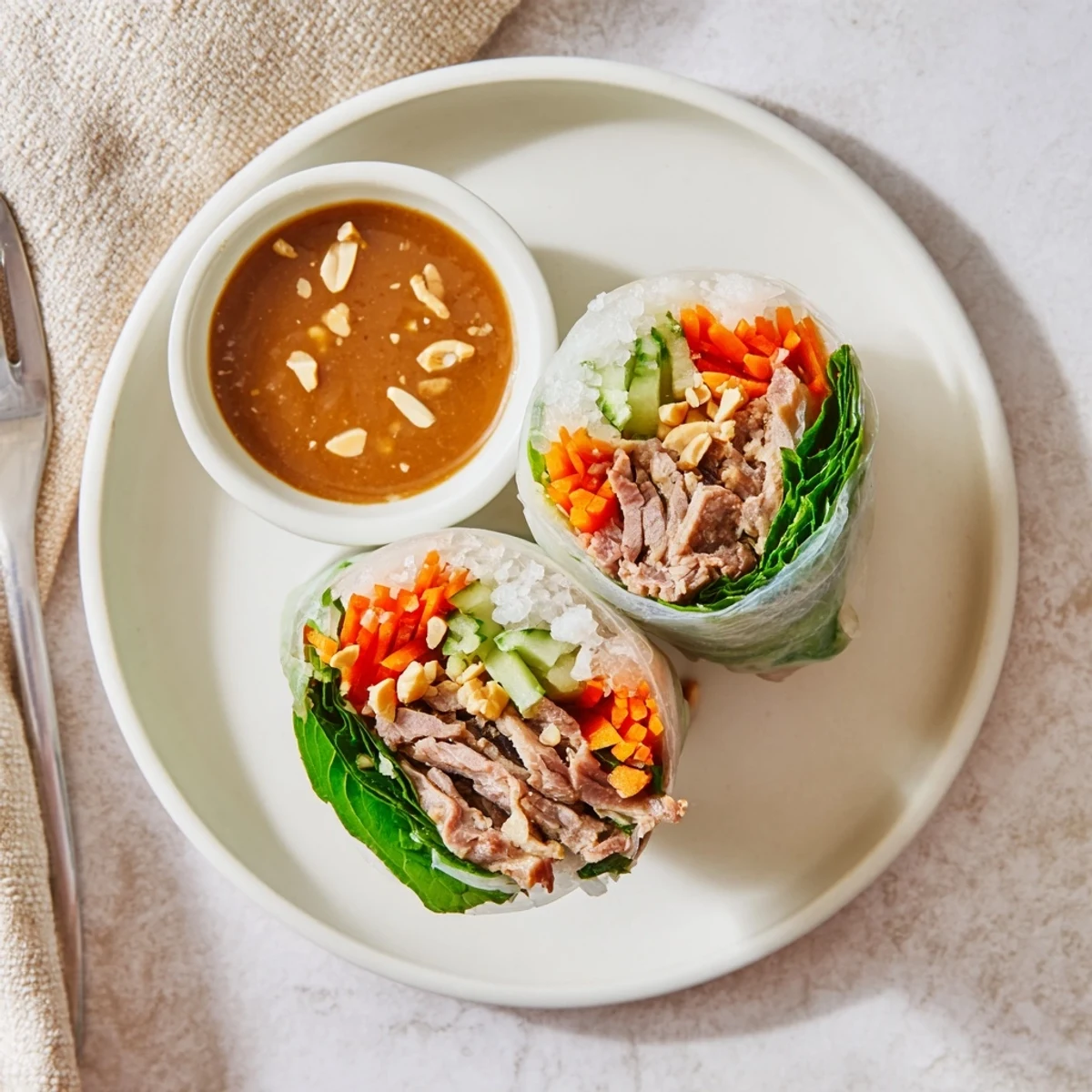
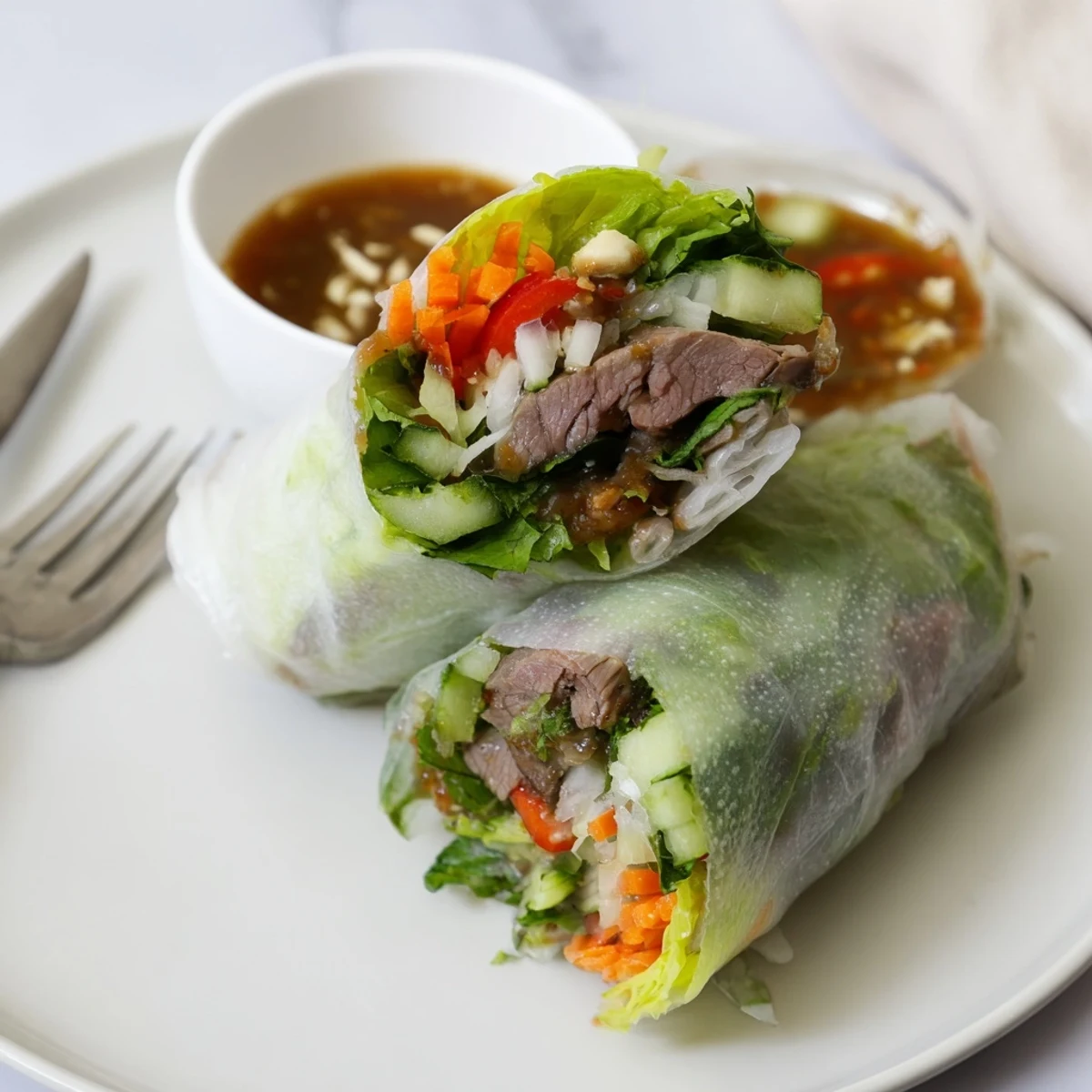
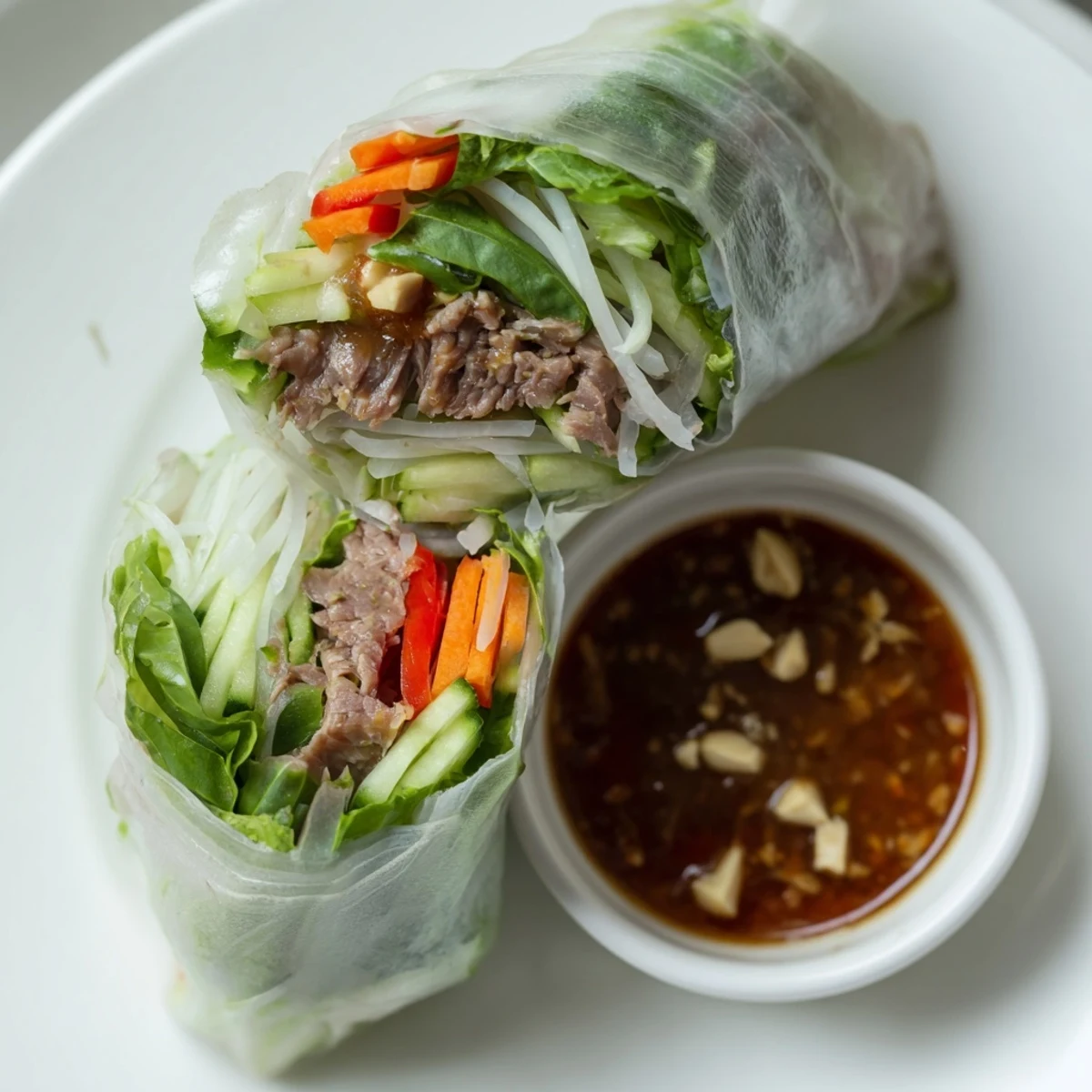
 Marinate thinly sliced flank or sirloin in soy, oyster and fish sauces with brown sugar and garlic, then quick-stir-fry until just cooked. Soften rice paper briefly, layer torn lettuce, Thai basil, julienned carrot, cucumber and bell pepper, and top with warm beef. Roll tightly and serve whole or halved alongside a hoisin-peanut, lime and sriracha dipping sauce topped with chopped peanuts.
There&aposs an unmistakable thrill in the aroma that rises after the first flicker of heat meets marinated beef in my kitchen—it&aposs the sound of dinner changing direction. The day I first made Thai Basil Beef Rolls, it wasn&apost a special occasion—just a craving for bold flavors and a little crunch to lift my midweek spirits. I found myself biting into the unexpectedly bright notes of fresh basil and lime with a grin. That surprising zing was more than I bargained for, and exactly what I needed.
I once threw these together as an appetizer right before a tiny get-together—not realizing they'd distract everyone from the main dish. Someone asked if we were in my kitchen or a Thai night market; I took that as a compliment. There was laughter, misrolled wrappers, and a scramble for the last beef strip, making the mess part of the joy.
Ingredients
- Flank steak or sirloin: Thinly slicing against the grain ensures buttery, tender bites, so chill the meat briefly for easier cutting.
- Soy sauce & oyster sauce: These deepen the satisfying umami, and I always taste my sauces just for habit before mixing.
- Fish sauce & brown sugar: Don't skip these; the funky sweetness is subtle but makes all the difference.
- Garlic: Use freshly minced for a bigger punch—pre-minced just doesn&apost pop in the same way.
- Vegetable oil: High heat tolerance helps sear the beef quickly without burning.
- Rice paper wrappers: Handle gently—moisten for just the right amount of time or they'll become too delicate to roll.
- Thai basil leaves: Their spicy, anise-like flavor is irreplaceable, but regular basil will do in a pinch.
- Carrot, cucumber, red bell pepper: Crisp texture and playful colors brighten every bite; aim for even julienne for the best stack.
- Lettuce leaves: I like to use soft, buttery leaves for easy rolling and a gentle crunch.
- Hoisin sauce, peanut butter, lime juice, sriracha, chopped peanuts: If I'm honest, I measure by instinct here—adjust the dipping sauce as boldly as you like.
Instructions
- Marinate the beef:
- Mix soy sauce, oyster sauce, fish sauce, brown sugar, and garlic in a bowl, then toss in the sliced beef and let it soak up all that flavor for at least 15 minutes.
- Sear the beef:
- Heat oil in a skillet until shimmering; add the beef and stir-fry quickly, breathing in the irresistible scent, just until cooked through—don't overdo it.
- Soften the rice paper:
- Fill a shallow dish with warm water, dunk each wrapper for about 10-15 seconds, and watch as it softens; take care not to leave it in too long.
- Build the rolls:
- On a damp towel, place half a lettuce leaf, a handful of basil, and stripes of carrot, cucumber, and bell pepper along the lower third, then pile on the cooled beef.
- Roll it up:
- Fold edges in, then roll tightly from the bottom up, tucking as you go—it's basically wrapping a tasty little present.
- Make the dipping sauce:
- Whisk hoisin, peanut butter, lime juice, water, and sriracha in a small bowl until smooth, then top with peanuts for crunch.
- Serve and enjoy:
- Slice rolls if you like (or serve whole); dunk generously in sauce and watch them disappear in minutes.
 Pin It
 The first time someone called these rolls "the start of summer" at my table, I glanced out at the rainy evening and smiled. Somehow, these fresh flavors sparked brightness, no matter the weather. Those spontaneous, sticky-fingered moments made me realize the rolls were never really just about the food.
Rolling Technique that Makes All the Difference
After a few practice rounds, I found rolling is more about confidence than precision. A damp towel underneath is the secret; it cushions the delicate rice paper and gives a gentle grip so nothing sticks or tears. If you tuck the filling snugly and keep your hands light, each roll turns out neater than you'd expect.
Choosing Your Fillings for Maximum Crunch
The real fun starts when you riff on what goes inside. Sometimes I toss in a handful of cilantro or a few rice noodles for extra heartiness. Each ingredient adds a little surprise, so I always keep an eye on fridge odds and ends ready for experimenting.
Troubleshooting and Last-Minute Fixes
Every once in a while, a wrapper rips or a roll unravels just before it hits the plate. Don't stress—just roll a fresh one or serve them cut-side up to hide any mishaps. Most people are too busy reaching for seconds to notice anyway.
- Have extra wrappers handy just in case.
- Add a touch of warm water if a wrapper dries out mid-roll.
- Chop any leftover filling and sprinkle it over the platter for color.
 Pin It
 Serve these Thai Basil Beef Rolls with plenty of napkins and good company. They're best enjoyed while chatting and reaching across the table for that last, perfectly-rolled bite.
Recipe FAQs
- → Which cut of beef works best?
-
Thinly sliced flank or sirloin are ideal for tender, quick-cooked slices that roll easily. Slice against the grain for the most tender bite.
- → How do I soften rice paper without tearing it?
-
Dip each wrapper in warm water for 10–15 seconds until pliable, then lay it on a damp towel. Avoid soaking; excess water weakens the wrapper and causes tearing.
- → Can I make the filling ahead of time?
-
Yes. Marinate and cook the beef up to a day ahead and refrigerate in an airtight container. Assemble rolls just before serving to keep rice paper crisp and herbs fresh.
- → What swaps work for the dipping sauce?
-
Use almond or sunflower butter instead of peanut butter for nut-free options, and adjust hoisin or lime to balance sweetness and acidity. Tamari can replace soy for a gluten-free sauce if labeled gluten-free.
- → How can I make these vegetarian or vegan?
-
Replace beef with marinated and pan-seared tofu or tempeh strips and use mushroom or soy-based sauces in place of fish and oyster sauces. Keep the fresh herbs and julienned vegetables for texture.
- → How should leftovers be stored and reheated?
-
Store uncut assembled rolls in a single layer wrapped in damp paper towels and plastic wrap for up to 24 hours. Reheat fillings separately and assemble fresh to prevent soggy wrappers.