
 Pin It
 These delightful spring treats feature light, buttery sugar cookies decorated with gorgeous pastel icing. The dough comes together quickly and requires chilling for optimal texture. Cut into festive Easter shapes like eggs, bunnies, and flowers, then adorn with royal icing in soft pink, yellow, green, and purple. Perfect for spring gatherings, holiday baskets, or afternoon tea. The cookies store beautifully for up to a week, making them ideal for advance preparation.
The first Easter after my daughter turned three, she insisted we make cookies that looked like the ones in her storybook. I'd never worked with royal icing before, and honestly, our first batch looked like a pastel explosion in a kindergarten classroom. But she was so proud of those lopsided bunnies and wobbly eggs that we've made them every spring since, gradually getting better while keeping the joy.
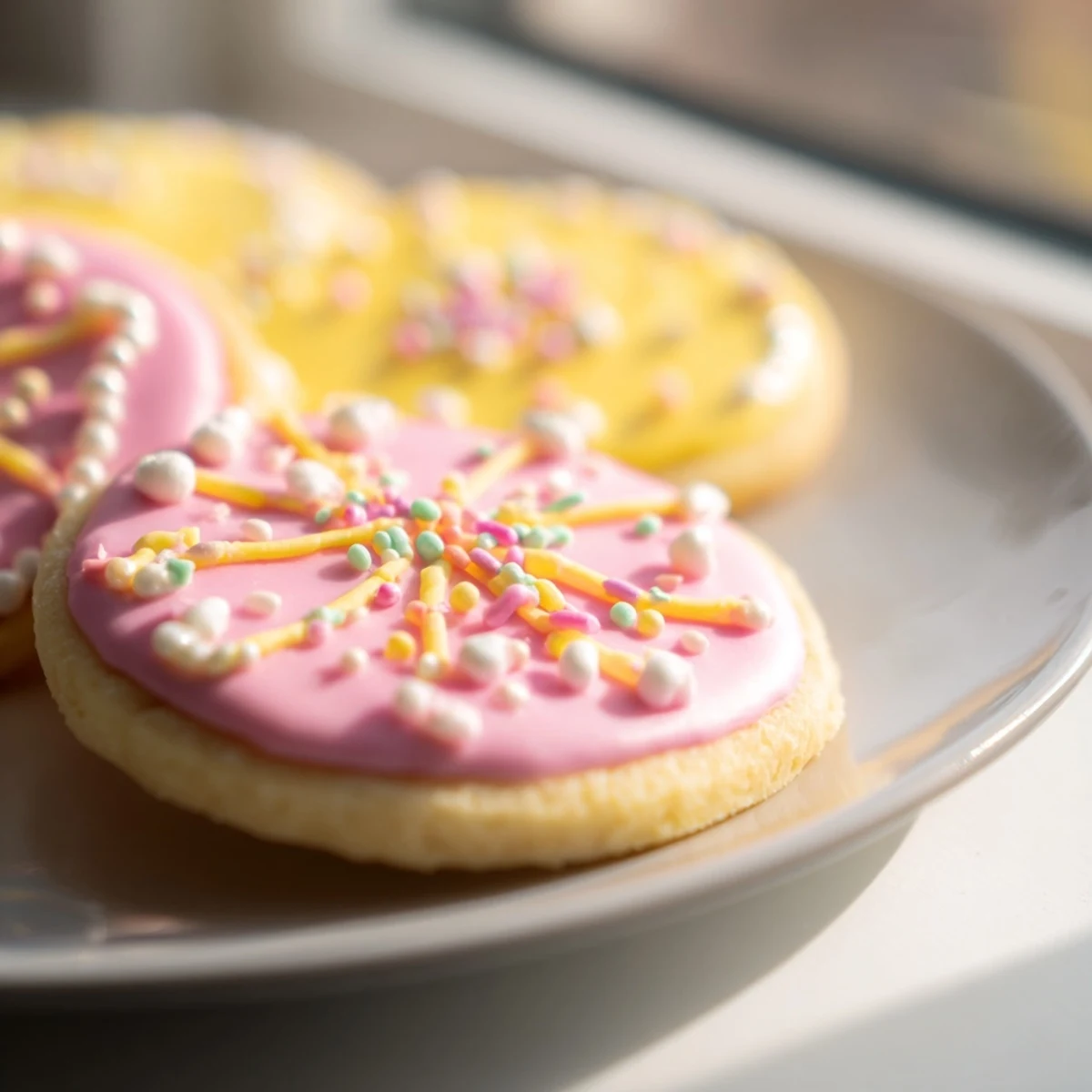
Last year my neighbor came over to help decorate, and we discovered something wonderful about adult coloring with icing. We put on old music and spent two hours piping tiny flowers and polka dots, completely losing track of time. The cookies were almost secondary to the laughter and the way the pastel colors looked under afternoon sunlight streaming through the kitchen window.
Ingredients
- 2 1/4 cups all-purpose flour: The foundation that gives these cookies their structure, so they don't spread into blob creatures in the oven
- 1/2 teaspoon baking powder: Just enough lift for a tender bite without making them cakey or puffy
- 1/4 teaspoon salt: Balances the sweetness and wakes up all the flavors
- 3/4 cup unsalted butter: Room temperature is nonnegotiable here for proper creaming and that melt in your mouth texture
- 3/4 cup granulated sugar: Sweetens without making the cookies overly sugary, since youll be adding icing later
- 1 large egg: Binds everything together while adding richness
- 2 teaspoons pure vanilla extract: Don't skimp on quality here because vanilla shines in simple sugar cookies
- 1/4 teaspoon almond extract: Optional but absolutely magical, adding a subtle sophistication that makes people wonder what your secret is
- 2 cups powdered sugar: Sift it first or risk lumpy icing that'll clog your decorating bags
- 1 1/2 tablespoons meringue powder: The secret to royal icing that sets hard enough for stacking but still tastes delicious
- 3-4 tablespoons water: Adjust this carefully to get the perfect piping or flooding consistency
- Food coloring: Gel colors give you vibrant pastels without thinning your icing like liquid drops do
Instructions
- Whisk the dry ingredients:
- In a medium bowl, combine the flour, baking powder, and salt until evenly blended. Set this aside while you work on the wet ingredients.
- Cream butter and sugar:
- Beat the butter and sugar for 2 to 3 minutes until noticeably lighter and fluffy. This step is worth every second for cookies that feel tender and airy.
- Add the egg and extracts:
- Mix in the egg, vanilla, and almond extract if using until fully incorporated. Scrape down the sides of the bowl to catch any pockets of butter.
- Combine dough:
- Gradually add the dry ingredients on low speed, mixing until just combined. The dough will be soft but should hold together when pressed.
- Chill the dough:
- Divide in half, form into disks, wrap tightly in plastic, and refrigerate for at least 1 hour. This step prevents sticking and helps maintain clean edges when cutting.
- Prep for baking:
- Preheat oven to 350°F and line baking sheets with parchment paper. Gather your Easter cookie cutters and clear some counter space.
- Roll and cut:
- On a lightly floured surface, roll dough to 1/4 inch thickness and cut into shapes. Re-roll scraps only once to prevent tough cookies.
- Bake to perfection:
- Arrange cookies 1 inch apart on prepared sheets and bake for 9 to 11 minutes. Pull them when edges just start turning golden.
- Cool completely:
- Let cookies rest on the baking sheet for 2 minutes before transferring to a wire rack. They must be completely cool before icing or it will melt right off.
- Make royal icing:
- Whisk powdered sugar, meringue powder, and water until smooth and glossy. The consistency should be like thick honey that slowly ribbons back into itself.
- Color and decorate:
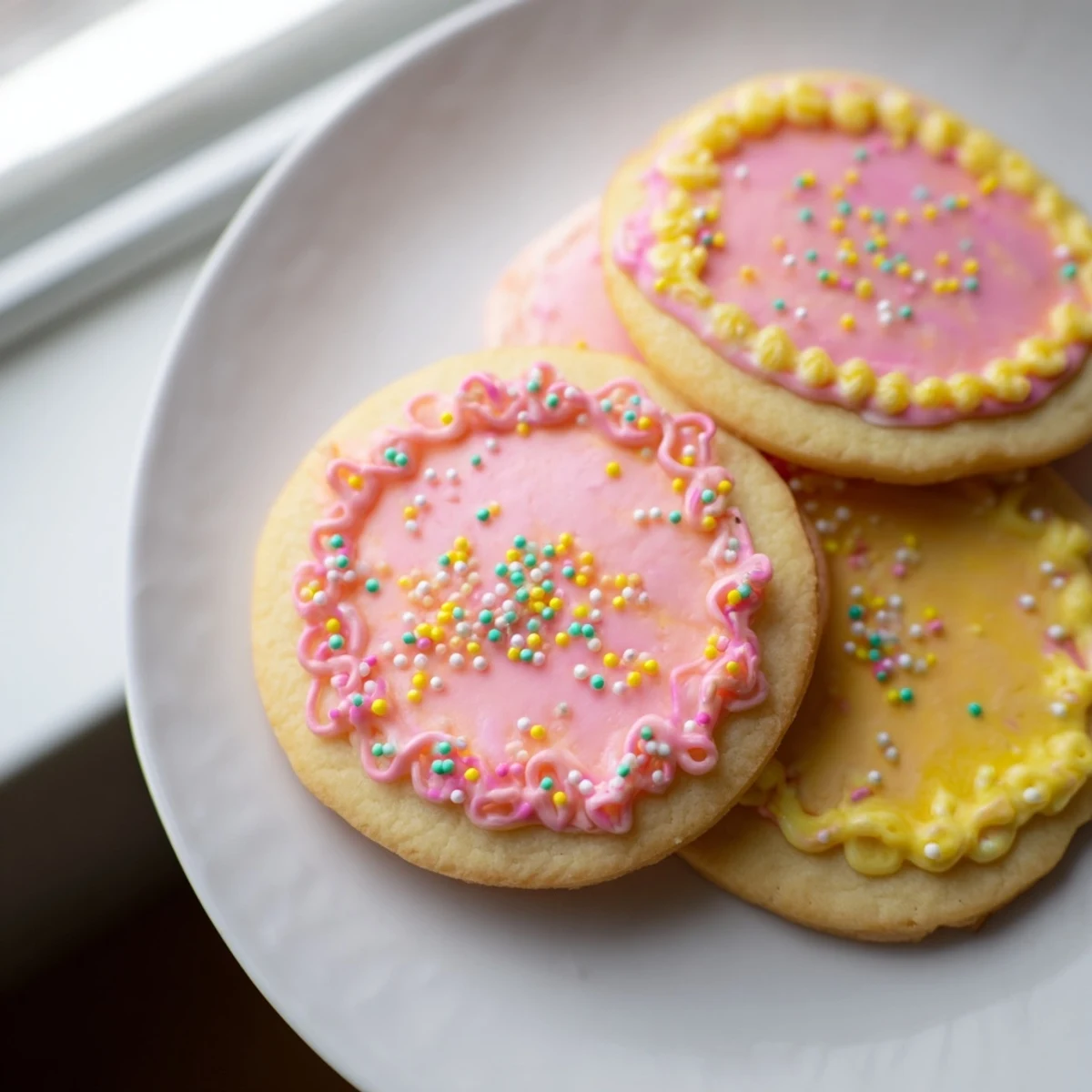
- Divide icing into small bowls and tint with gel food coloring. Pipe outlines first, then thin remaining icing with drops of water to flood the centers.
- Add finishing touches:
- Apply sprinkles while icing is still wet, then let cookies set completely for several hours or overnight. Your patience pays off with perfectly decorated treats.
 Pin It
 My grandmother always said Easter cookies taste better when shared, and she was right. These have become our contribution to every family gathering, church potluck, and neighborhood egg hunt. Watching kids' eyes light up when they spot their favorite shape in the cookie box never gets old.
Making Your Icing Work
The secret to professional looking cookies is mastering two icing consistencies. Use thicker icing for piping outlines around each shape, then thin the remaining icing with a few drops of water until it flows smoothly when you drizzle it back into the bowl. Flood inside the outlines and watch it settle into an even layer.
Flavor Variations
Swap almond extract for fresh lemon zest or orange blossom water for a bright spring twist. Sometimes I add a tiny pinch of lavender buds to the flour mixture for an elegant floral note that feels particularly special for Easter brunch. The subtle perfume transforms these into something absolutely enchanting.
Storage and Gifting
Once the royal icing has completely hardened, layer these between sheets of parchment paper in an airtight container. They'll stay fresh for up to a week, though they've never lasted that long in my house. For gifting, wrap small stacks in clear cellophane bags tied with pastel ribbon.
- Add a silica gel packet to the storage container if your kitchen is particularly humid
- Freeze undecorated baked cookies for up to three months, then thaw and decorate when needed
- Label different shapes on containers so kids can find their favorites without rummaging
 Pin It
 These cookies have become our family's way of welcoming spring, one buttery, sweet bite at a time. Wishing you a kitchen full of flour dust, happy memories, and beautifully decorated eggs.
Recipe FAQs
- → How long should I chill the cookie dough?
-
Chill the dough for at least 1 hour before rolling. This step is crucial for preventing the cookies from spreading too much during baking and helps maintain clean edges on your Easter shapes.
- → Can I make these cookies ahead of time?
-
Absolutely! You can chill the dough overnight or freeze it for up to 3 months. Once baked and decorated, store in an airtight container for up to one week. Undecorated baked cookies freeze well for 2-3 months.
- → What's the best way to achieve smooth royal icing?
-
Mix powdered sugar, meringue powder, and water until completely smooth and glossy. Adjust consistency with more water for flooding or more sugar for outlining. Gel food coloring provides vibrant pastel hues without thinning the icing.
- → Can I use natural food coloring alternatives?
-
Yes! Use beet juice for pink, turmeric for yellow, spinach powder for green, and blueberry or butterfly pea flower for purple. Natural colors produce softer, earthier pastels than artificial gels.
- → What other extract flavors work well?
-
Try lemon or orange extract for a bright citrus twist, coconut extract for tropical notes, or maple extract for warmth. You can also use pure vanilla bean paste for intense vanilla flavor and visual appeal.
- → How do I prevent cookies from spreading too much?
-
Ensure your butter is softened but not melted, chill the dough thoroughly, and avoid overcrowding the baking sheets. Rolling dough to exactly 1/4-inch thickness also helps maintain shape during baking.