
 Pin It
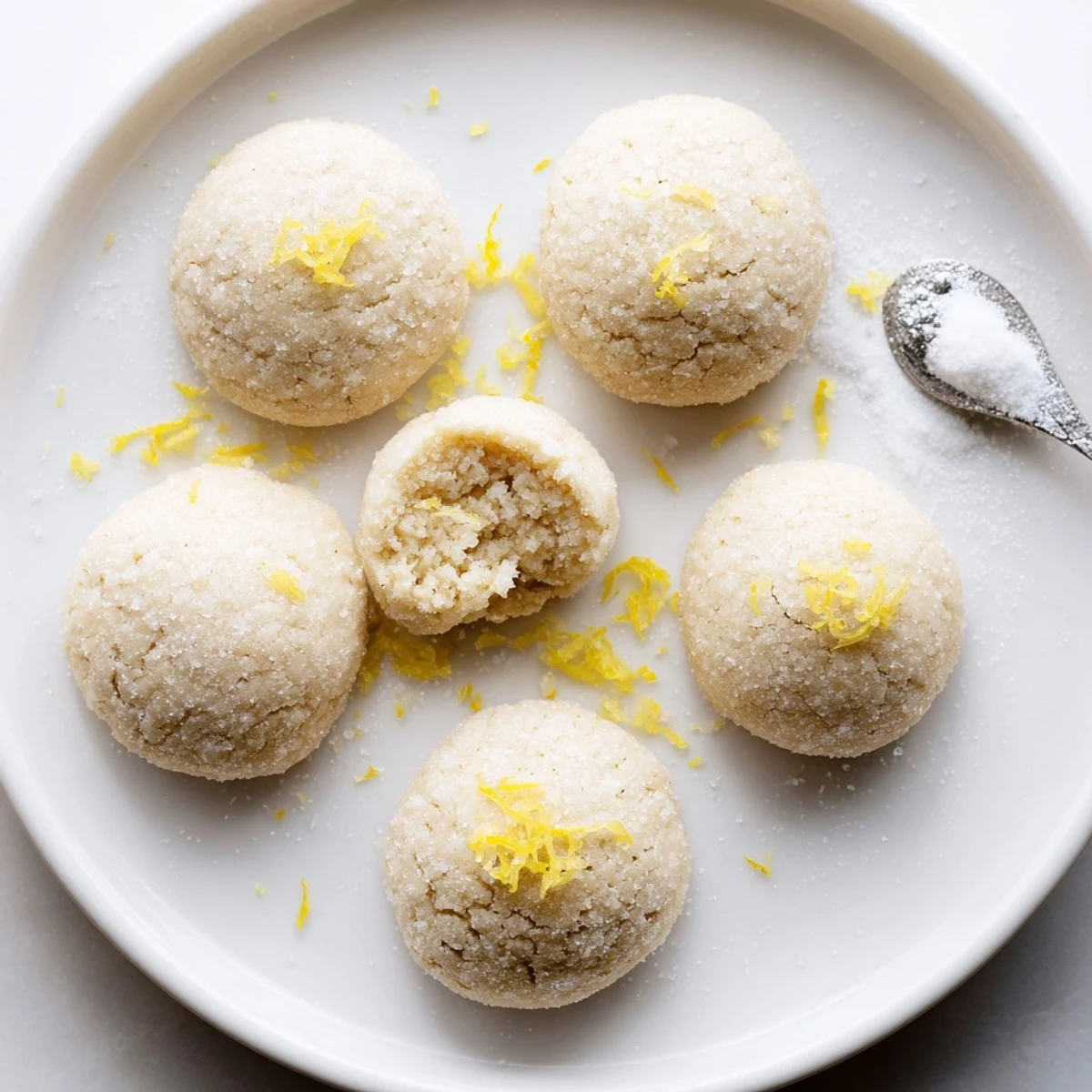
 Bright, zesty lemon cookies with a soft, chewy interior and lightly crisped edges. Cream softened butter with granulated and brown sugar, beat in eggs, lemon juice, zest and vanilla; fold in flour and baking soda until just combined. Scoop tablespoon-sized portions, roll in sugar, and bake at 350°F (175°C) for 9–11 minutes. Yields about 24 cookies. Cool on the pan briefly, then transfer to a rack. Store airtight up to 4 days; add extra zest for more tang.
The kitchen smelled like a lemon grove had collided with a butter factory, and honestly, I was not mad about it. These soft chewy lemon cookies came out of necessity on a gray Tuesday when the fruit bowl was overflowing with lemons nobody was touching. One bite and the brightness cut straight through the gloom outside my window. They have been on repeat ever since.
I brought a plate of these to my neighbor Helen last spring and she stood in her doorway eating three before saying a word. She now knocks on my door every time she sees my oven light on.
Ingredients
- All-purpose flour (2 1/4 cups, 280 g): The backbone of the cookie, measured by spooning into the cup and leveling off to avoid dense cookies.
- Baking soda (1/2 teaspoon): Just enough lift to keep them puffy without spreading too thin.
- Salt (1/4 teaspoon): Don't skip this, it wakes up every bit of lemon flavor.
- Unsalted butter, softened (1 cup, 225 g): Room temperature butter creams properly and traps air for that tender crumb.
- Granulated sugar (1 cup, 200 g): Regular white sugar gives the crisp sugared edge and clean sweetness.
- Light brown sugar, packed (1/4 cup, 50 g): A small amount adds moisture and that chewy factor.
- Large eggs (2): Binds everything together and adds richness.
- Fresh lemon juice (2 tablespoons): Bottled juice tastes flat here, squeeze it fresh.
- Lemon zest (2 teaspoons): This is where the real perfume lives, zest before you juice.
- Vanilla extract (1 teaspoon): Rounds out the citrus and adds warmth.
- Extra granulated sugar for rolling (1/3 cup, 65 g): Creates a sparkly crust that crunches slightly when you bite.
Instructions
- Preheat and prepare:
- Set your oven to 350 degrees F (175 degrees C) and line two baking sheets with parchment paper so nothing sticks.
- Whisk the dry:
- In a medium bowl, whisk the flour, baking soda, and salt together until evenly blended, then set it aside.
- Cream the butter and sugars:
- Beat the softened butter, granulated sugar, and brown sugar in a large bowl until the mixture looks pale, fluffy, and lighter than when you started.
- Add the wet ingredients:
- Drop in the eggs one at a time, mixing after each, then pour in the lemon juice, lemon zest, and vanilla until everything is silky and fragrant.
- Combine wet and dry:
- Gradually add the flour mixture to the wet ingredients, stirring just until the last streak of flour disappears, overmixing makes them tough.
- Roll and shape:
- Scoop tablespoon sized mounds of dough, roll each one between your palms, then tumble it through the extra sugar until coated and place on the sheets two inches apart.
- Bake:
- Slide the trays into the oven for 9 to 11 minutes, pulling them out when the edges look set but the centers still look soft and slightly underdone.
- Cool properly:
- Let the cookies rest on the hot baking sheet for 5 minutes so they finish cooking gently, then move them to a wire rack to cool completely.
 Pin It
 The moment these became more than just a recipe was when my daughter asked if we could make them for her birthday instead of cake. That is high praise from a kid who normally wants frosting three inches thick.
Storing Your Cookies
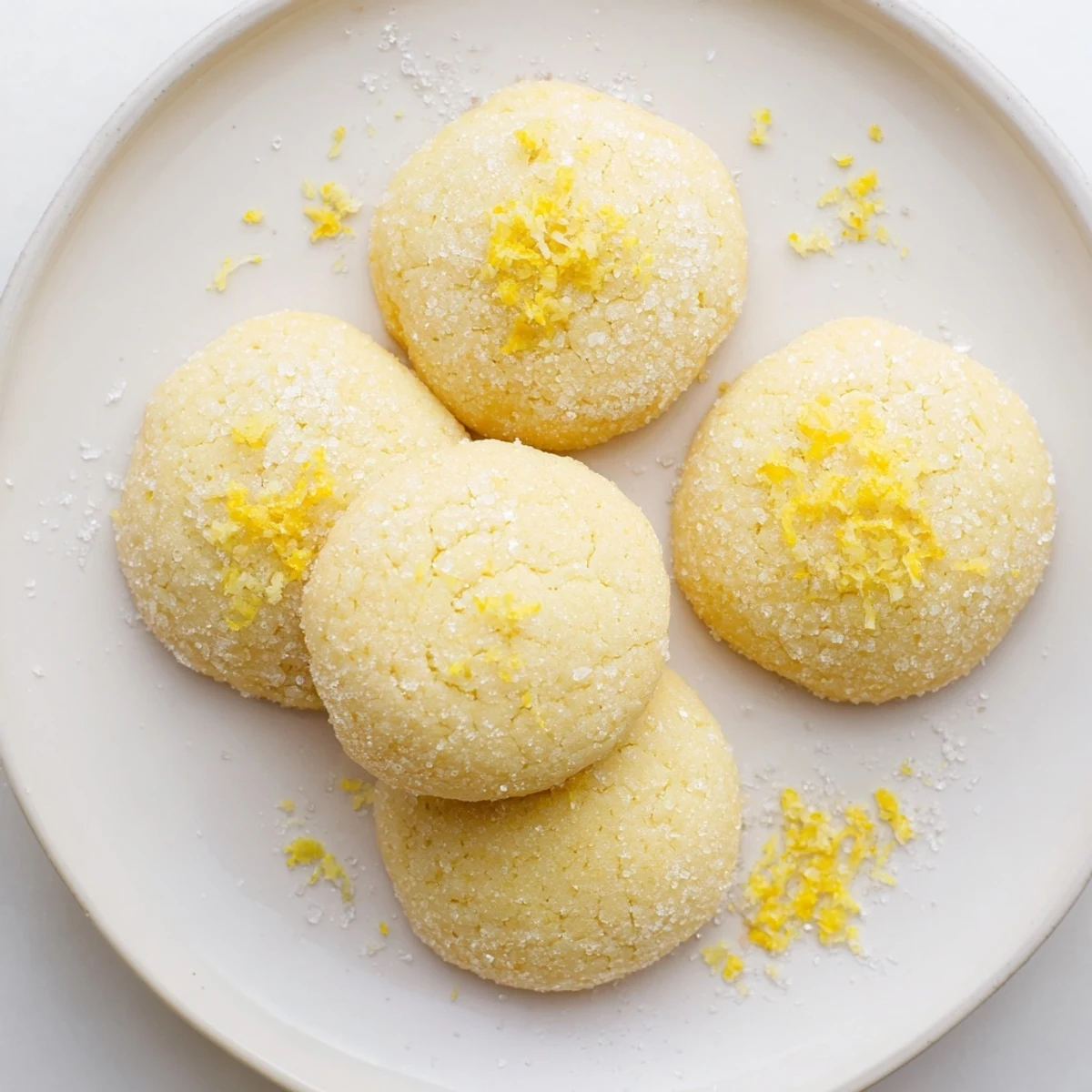
Keep them in an airtight container at room temperature and they stay soft for up to four days, though mine rarely last past day two. You can also freeze the baked cookies for up to three months, just layer them between sheets of parchment so they don't stick together.
Flavor Variations Worth Trying
Rolling the dough balls in powdered sugar instead of granulated gives a crinkle cookie look with a slightly softer exterior. Adding an extra teaspoon of lemon zest pushes the tang into seriously pucker worthy territory, which I highly recommend for lemon lovers.
Serving and Pairing
These cookies shine brightest alongside a cup of Earl Grey tea, the bergamot plays beautifully with the lemon. A glass of citrusy white wine on a warm evening works surprisingly well too.
- Warm them for 8 seconds in the microwave and they taste fresh from the oven.
- Dust with powdered sugar right before serving for a simple but pretty finish.
- Always taste your lemon juice before mixing it in, some lemons are surprisingly bland.
 Pin It
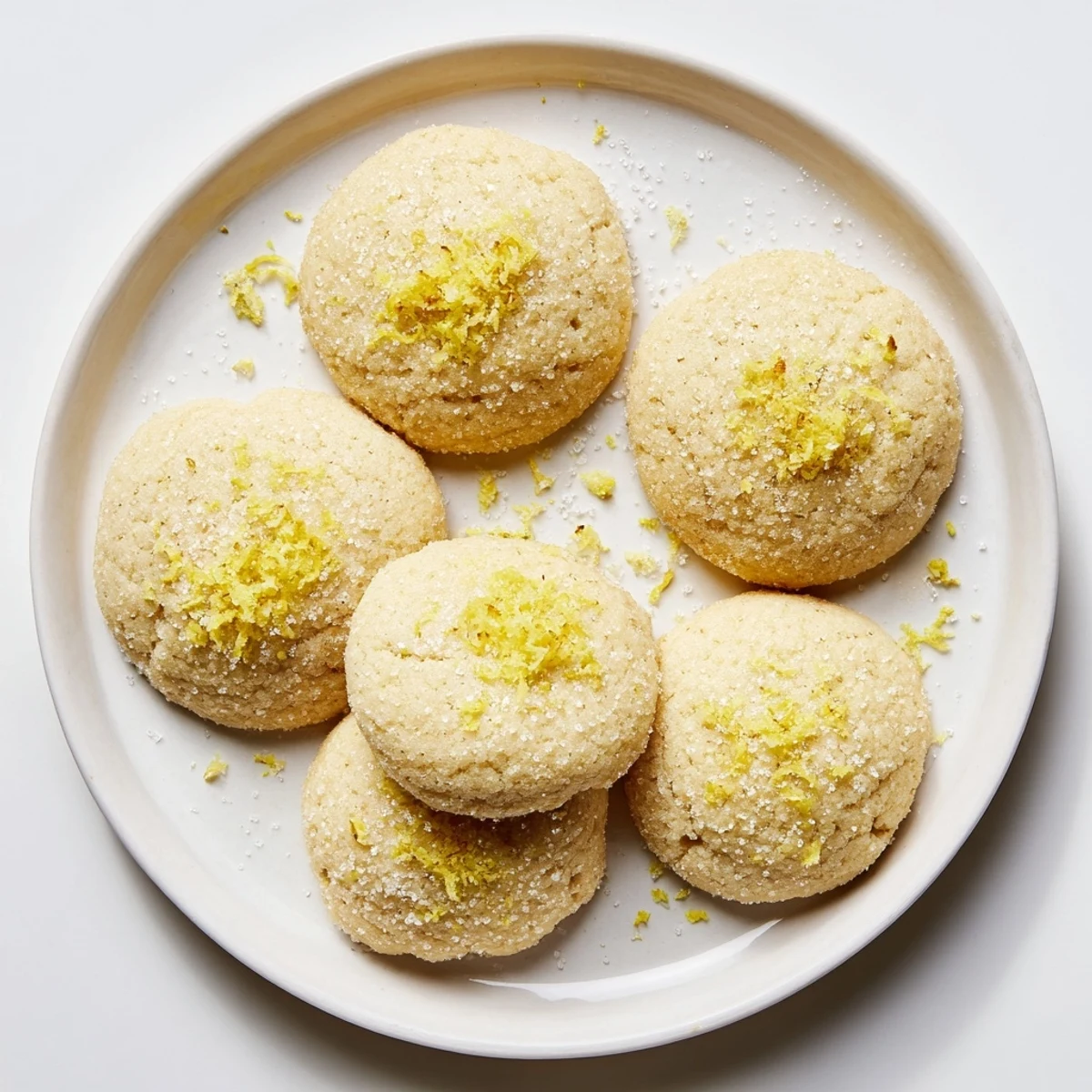
 Few things beat a warm lemon cookie on a plate with a cup of tea on a quiet afternoon. They are small, bright, and exactly the kind of simple joy worth keeping in your back pocket.
Recipe FAQs
- → How do I keep these cookies soft and chewy?
-
Avoid overbaking—remove when edges are set but centers still look soft (9–11 minutes). Use brown sugar for moisture, cool on the baking sheet for 5 minutes, then transfer to a rack to finish setting.
- → Should the butter be melted or softened?
-
Use softened butter (not melted). Creaming softened butter with sugars traps air for a tender crumb while preventing excessive spreading during bake.
- → Can I intensify the lemon flavor?
-
Add an extra teaspoon of lemon zest, increase fresh lemon juice slightly, or stir in a drop of lemon extract. Zest delivers the brightest citrus aroma without thinning the dough.
- → What rolling options change the finish?
-
Rolling dough balls in granulated sugar yields a crisp, sparkly exterior; rolling in powdered sugar gives a softer, matte finish. Both work—choose texture preference.
- → Is the dough suitable for chilling or freezing?
-
Yes. Chill dough 30–60 minutes to reduce spread, or freeze portions for longer storage. Bake directly from chilled or add a minute or two when baking from frozen.
- → How can I prevent excessive spreading?
-
Measure flour accurately, avoid over-creaming, chill dough briefly if warm, and space portions about 2 inches apart on parchment-lined sheets.